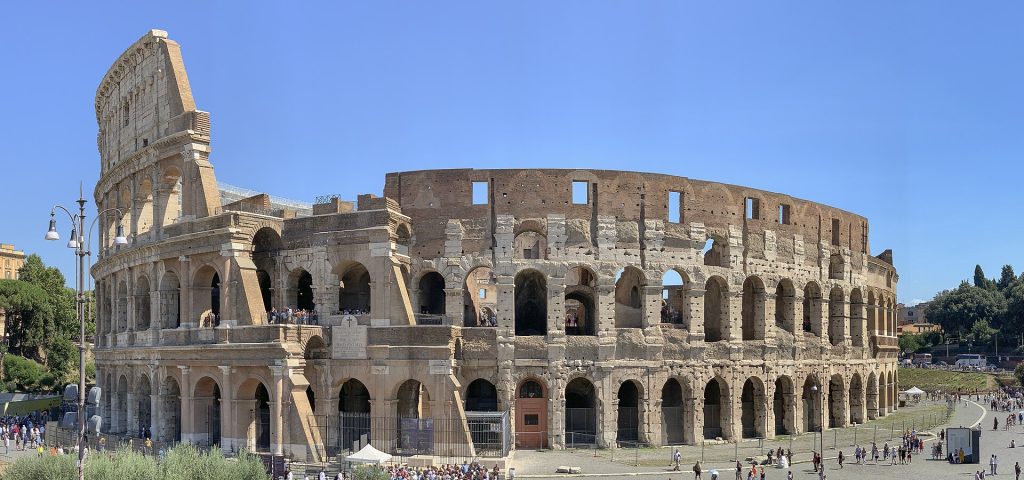
Rome needs a plan with fewer major visits than its list of landmarks seems to demand. The Colosseum and Forum can occupy much of a day, the Vatican museums deserve another substantial block, and the historic centre is most enjoyable when its streets remain more than hurried connections. Choose the experiences you would regret missing, then leave room for meals and neighbourhood time.
Four full days gives a useful first introduction. Three works with a narrower selection, while five lets you add a museum or a slower district outing without increasing the daily pace. Rome is a city to revisit, not a checklist that must be exhausted on the first trip.
Make sense of the main areas
The ancient core around the Colosseum, Roman Forum and Palatine forms one substantial cluster. The broader historic centre contains the Pantheon, Piazza Navona, Trevi area and many connecting streets. Across the river, the Vatican and surrounding districts create another day, while Trastevere offers a different setting for walking and dinner.
Monti lies near the ancient core but should be appreciated as a neighbourhood too, with streets and places to stop beyond the journey to an admission. Testaccio provides another useful focus for food and local life away from the most familiar sightseeing circuit.
These areas are connected, but repeated crossings consume attention and energy. Choose one morning anchor and keep the following meal nearby. Our four-day Rome itinerary uses that structure rather than making every day cover all sides of the centre.
Colosseum, Forum and Palatine
Buy the experience you actually want
Different Colosseum products can include different spaces and arrangements. Read the scope rather than assuming every ticket gives the same access. Arena areas, specialist routes and guided products should be chosen deliberately, not inferred from a familiar photograph.
Use the official archaeological park website for current entry, named-ticket and identification requirements. If your chosen product includes a timed Colosseum admission, protect that slot and keep the approach free of unnecessary commitments.
Give the wider site time
The Forum and Palatine reward attention to their setting and relationship, not simply a march between fragments. A map, audioguide or informed tour can help make the remains intelligible, particularly on a first visit.
The archaeological area involves outdoor walking, historic surfaces and exposure. Carry appropriate water and sun protection, wear suitable shoes and choose a shorter route if needed. A ticket covering several spaces is not an obligation to give every corner equal time.
Leave the afternoon flexible after a substantial visit. Another long museum immediately afterwards may reduce what you take from both experiences.
The historic centre: connect a few landmarks naturally
The Pantheon, Piazza Navona and the streets between them make a coherent walking area. Choose an interior if it matters to you, check its current access and allow the surrounding public spaces to be part of the visit rather than a waiting room for the next ticket.
The Trevi Fountain and Spanish Steps area can form another section, with the route adapted to crowding and the group’s energy. Do not assume that reaching every famous square on one loop is automatically the most enjoyable introduction.
Popular sites work best when you accept that other people will be present. Keep routes clear, follow local rules and avoid treating steps, fountains or church entrances as unrestricted picnic or photography equipment. A quieter connecting street can provide a welcome pause without needing to be described as undiscovered.
Vatican visits: choose the scale
The Vatican Museums and Sistine Chapel are a substantial cultural visit, distinct from St Peter’s Basilica. Their entrances, security and visitor arrangements should not be treated as one seamless walk covered by a single generic idea of the Vatican.
If art and the collections are the priority, give the museums your best attention and use the official Vatican Museums website to compare current options. A guided format can help with context, but compare the actual route, language and duration before paying.
St Peter’s has its own access and dress expectations as a religious setting. Allow for security and changing arrangements rather than placing a tightly booked lunch immediately after an assumed quick entry.
Some visitors want both experiences; others prefer one. Make that choice openly. Combining everything with a long cross-city walk later can turn a memorable day into prolonged standing and queue management.
Monti and a less hurried ancient-core day
Monti makes a useful place to spend time before or after the archaeological cluster, with a seated meal or a smaller street walk replacing another distant reservation. The district’s appeal is strongest when you allow it to be more than an accommodation label.
Choose a few streets and stop where the menu or setting interests you. Do not expect every restaurant near a major attraction to offer the same experience, whether traditional or modern. Look at what the kitchen actually serves and how you want to eat.
If staying here, test the route with luggage and the bedroom’s immediate surroundings. Proximity to the Colosseum can be convenient for one morning without automatically making every other day equally easy.
Trastevere and the river
Trastevere offers a different evening setting, with small streets and a wide range of eating places. It is also well known and can be busy, so choose it for the atmosphere rather than a promise of quiet local seclusion.
Visit earlier if you want to look at the streets before dinner, then stay for a meal that fits your preferences. A popular district does not establish the quality, value or noise level of every table or room.
The Tiber provides another way to understand the city, but not every river-level path is the most convenient route between sights. Check the approach, conditions and return rather than automatically descending because a continuous line appears on the map.
For accommodation, our Rome area comparison explains how Trastevere differs from sleeping in the main historic-centre cluster.
Testaccio, markets and food traditions
Testaccio is worth considering when food and neighbourhood time are interests in their own right. It can give a day another focus beyond the most photographed monuments, particularly when a market visit and lunch are part of the plan.
Check the individual businesses you want rather than assuming a market name guarantees identical opening arrangements. Browse considerately and ask before photographing people closely. A small purchase or meal connects the visit to its working setting.
Roman pasta dishes offer familiar starting points, but compare actual preparation and serving sizes. Carbonara, amatriciana, gricia and cacio e pepe are distinct dishes rather than interchangeable versions of one menu promise. Ask about ingredients if dietary needs matter.
Our markets and traditional-neighbourhood guide helps choose food experiences without making every meal a competition to find one supposedly definitive address.
Add a museum or park selectively
Rome’s cultural options extend well beyond the two most obvious paid days. A collection such as the Borghese can provide another concentrated art visit, while parks and gardens offer a different pace when you need less indoor attention.
Choose according to interest and booking requirements rather than proximity alone. A museum requiring a specific reservation should shape the day around it; it is not a convenient gap-filler after several hours of archaeological walking.
For a first four-day stay, one additional cultural interest may be enough. A longer trip can support more without turning every morning into a security queue followed by another long collection.
Where to stay
Centro Storico suits travellers who want the classic streets and squares close at hand. Monti provides a different central setting near the ancient core. Trastevere appeals when its evening atmosphere matters enough to accept the journeys to other clusters.
Compare the actual entrance, room orientation and transport rather than choosing purely by neighbourhood reputation. In older buildings, steps before the lift, limited daylight or complicated self-check-in can affect the stay more than a small distance difference.
For families, actual beds and space to rest are worth checking carefully. For anyone with mobility needs, request concrete details of access and the bathroom. The best base lets you return comfortably as well as start the morning near a landmark.
Arriving and moving around
Fiumicino has different rail options and road services, so choose against the actual address. Termini is not the right final stop for every property, and arriving at a station is only one part of reaching a room. Our Fiumicino transfer guide explains the choices.
In the city, combine walking within clusters with public transport or a taxi when a journey adds little enjoyment on foot. Check routes and ticket validation rather than assuming every service operates like the system at home.
Wear shoes suited to uneven surfaces and leave room to shorten outdoor sections in hot or wet conditions. A more selective route often gives you more from Rome than an ambitious map completed while tired.
Book anchors, leave intervals
Secure the experiences you care most about and use their actual entrances and times to organise each day. Leave meals, smaller streets and some evening time unbooked so you can enjoy a place that deserves longer.
Rome’s strongest first visit balances ancient spaces, art and everyday life. The famous sights matter, but they make more sense when the trip still includes enough ordinary time to eat well, notice a street and return without another urgent departure.
A quieter historical contrast
The Aventine area can provide a different walk when you want another perspective without committing to a large collection. Choose a manageable route and appreciate the setting rather than treating one famous photograph point as the entire purpose of going.
The Appian Way offers a different scale again. It should be planned as a separate outing with suitable transport, footwear and an understanding of the exact section you want to explore. A historic road is not automatically a short level city walk, and cycling or a long route should suit the least confident companion.
Both choices are strongest when they replace another activity rather than extend an already full day. They can give a longer stay variety without creating the expectation that every afternoon must contain a major paid entrance.
Give the first evening a smaller purpose
After an airport transfer or intercity journey, choose dinner and a short nearby walk rather than protecting a demanding reservation at all costs. Arrival includes finding the room and settling in, not only reaching Rome.
That calmer opening also gives you time to judge transport, footwear and the group’s pace before the most important sightseeing morning. It is easier to adjust a flexible evening than a named ticket with a fixed entry time.