Four full days in Rome lets the ancient city, Vatican collections and historic streets receive separate attention. This route uses one major anchor per day and keeps meals and smaller walks flexible, avoiding repeated crossings between distant reservations.
Book the visits that matter first, then reorder the days around actual availability. It is a geographic framework rather than a claim that every museum or religious building follows the same weekly schedule.
Day 1: ancient Rome and Monti
Morning: protect the Colosseum slot
Arrive for the actual entrance on your ticket, with identification and time for checks. Different products include different spaces, so follow the scope you purchased rather than assuming every route is available.
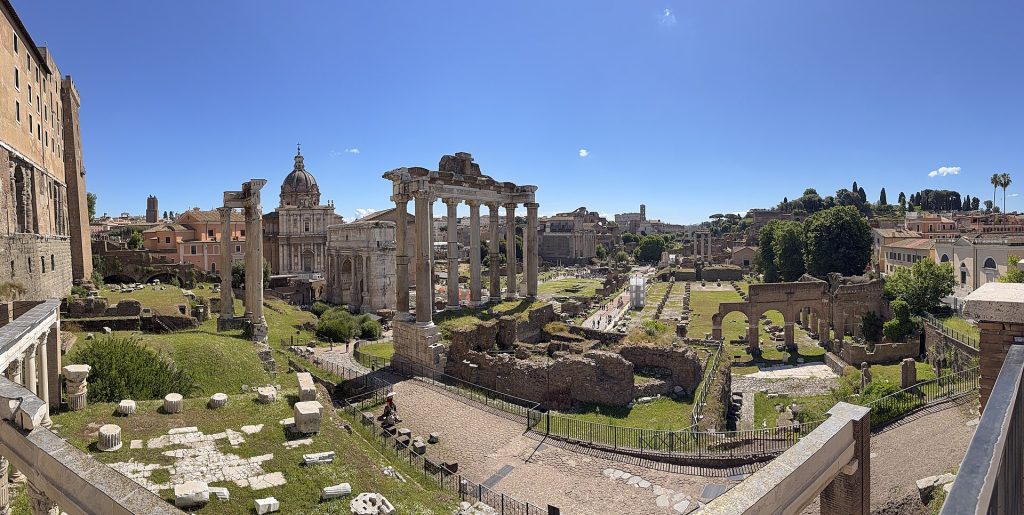
Give the Roman Forum and Palatine an appropriate block around the timed visit. A map or guided interpretation can help make the remains understandable, especially on a first encounter. Choose a shorter route if heat or stamina calls for it.
Afternoon and evening: eat, then slow down
Have a proper lunch and leave the afternoon flexible. A walk and café stop in Monti can provide a useful neighbourhood setting without another major admission.
If the archaeological visit runs longer than expected, reduce the remaining walk instead of shortening the part you came to see. Finish with dinner near your base or the area where you end the day.
Day 2: Vatican side
Morning: choose the collection focus
Give the Vatican Museums a substantial visit if the collections and Sistine Chapel are priorities. Use the official booking and understand the entrance, time and format rather than treating a general Vatican label as enough information.
If your interests lie elsewhere, substitute a different major collection and keep the day selective. A visit is most rewarding when chosen for its content rather than its place on a compulsory list.
Afternoon: basilica or a smaller alternative
St Peter’s has separate access and security arrangements from the museums. Decide whether you want both and allow a meal and rest between substantial periods of standing.
Follow religious dress and behaviour expectations, and keep time flexible for changed access. If the day is already demanding, a shorter walk and meal nearby can be the better finish than another extended queue.
Day 3: historic-centre streets and squares
Morning: Pantheon and nearby areas
Explore the Pantheon and Piazza Navona area, booking or checking any interior you want. Let the streets between them be part of the morning rather than hurrying only towards each famous point.
Choose a café stop and leave room for a smaller church or architectural detail that interests you. You do not need several paid visits for this to be a full cultural morning.
Afternoon: Trevi and a selective continuation
After lunch, choose a manageable route towards Trevi and the Spanish Steps area. Expect popularity and follow local rules rather than treating the sites as unrestricted seating or picnic space.
If the group is tired, stop after one area and use transport for the return. The itinerary should not depend on everyone completing the longest possible loop through the centre.
Day 4: food interests and a different neighbourhood
Morning: Testaccio or a chosen museum
Visit Testaccio for a market-and-food focus if that interests you, checking the businesses you want rather than assuming every stall shares one schedule. Our food and traditional-neighbourhood guide helps choose the format.
Alternatively, give the morning to an additional collection that matters to you. A reserved museum should replace this section, not simply be added before it.
Afternoon and evening: Trastevere
Spend time in Trastevere’s smaller streets and choose dinner if the setting appeals. It is a well-known evening area, so compare actual menus rather than assuming every table offers the same quality or value.
Plan the return to your room before the evening becomes late, particularly when travelling with children. If departing today, keep the afternoon local to the luggage and airport route instead.
Make the base support the route
Centro Storico, Monti and Trastevere create different daily journeys. Our accommodation comparison helps test them against these four days.
Keep one unbooked interval each day for a longer meal, weather or simple tiredness. Rome does not improve when every gap becomes another reservation; the smaller pauses often make the major experiences easier to appreciate.
If you want a slower fourth day, remove the additional collection and keep Testaccio and Trastevere as separate, flexible blocks. A market visit followed by lunch can be substantial without needing another landmark afterwards. For a group with different interests, agree one shared meal and let the rest of the afternoon remain smaller rather than forcing everyone through a final museum from obligation.