Rome’s food traditions make more sense when connected with neighbourhoods and ordinary meals rather than a list of dishes to collect. A market morning, a seated lunch and an evening in another district provide different experiences; they do not all need to become guided tastings.
Choose a format that suits your appetite and day. Standing briefly at a counter is useful for a snack, while a long archaeological morning may call for a table and a proper break.
Testaccio: a useful food-focused starting point
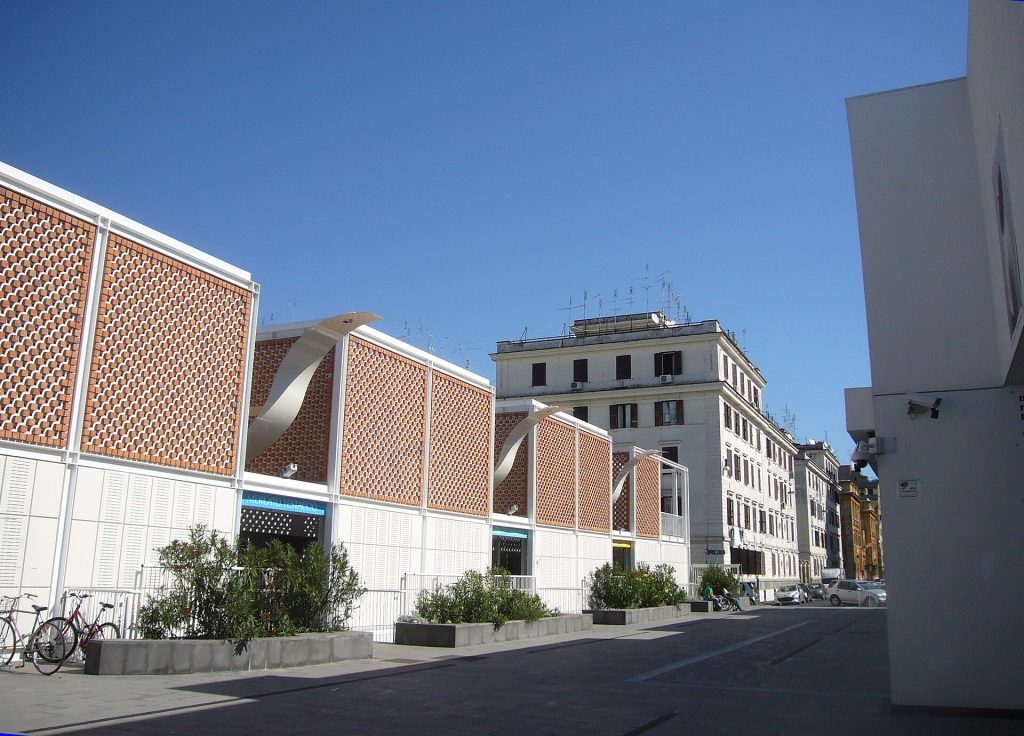
Testaccio offers a strong reason to leave the most familiar monument circuit and give food its own block of time. A market visit can combine browsing with a meal, provided you check the actual businesses you want.
Individual stalls have their own arrangements. A venue open later does not establish that every produce stall follows the same schedule, so plan a working-market visit differently from an evening restaurant outing.
Keep aisles and counters clear, ask before photographing people closely and buy something when it appeals. The point is to engage with a commercial setting respectfully rather than treat it as a free exhibit staged for visitors.
Trastevere: choose the table, not the reputation
Trastevere can be a satisfying place for an evening, with streets and dining options that give the meal a wider setting. It is also popular, so avoid assuming that a restaurant is automatically traditional, quiet or good value because of the district.
Read the menu, compare prices and decide how you want to eat. A terrace with a lively atmosphere may suit one evening while an indoor table or quieter street works better with tired children.
Our Rome accommodation guide explains when staying nearby makes sense. Visiting for dinner and choosing it as the base for every day are separate decisions.
Learn the differences between familiar pasta dishes
Carbonara, amatriciana, gricia and cacio e pepe offer distinct combinations rather than interchangeable names for a generic Roman sauce. Choose according to what you want to eat, and ask about the preparation if an ingredient matters to you.
Do not assume a dish is suitable for a dietary restriction from its short translated title. Cheese, cured pork, stock or cooking arrangements can change the answer, and an improvised alteration may produce a different dish from the one you expected.
There is no need to order every celebrated pasta during a short stay. A meal can also revolve around vegetables, a regional special or a simpler preparation that suits the weather and your appetite.
Snacks and the gaps between meals
Supplì and pizza by the slice can provide convenient smaller stops, but compare the actual serving and price arrangement before ordering. A quick snack works best when it prevents an uncomfortable gap rather than becoming another obligation immediately before a large lunch.
A bakery or café breakfast can be useful near the day’s route. Choose somewhere you can actually enjoy the stop instead of travelling across town for an ordinary coffee solely because an address appears frequently online.
Gelato is another opportunity to choose what appeals without turning the holiday into a ranking exercise. The most useful decision is whether you want a short pause now, not whether this is supposedly the only correct place in Rome.
Markets beyond one famous name
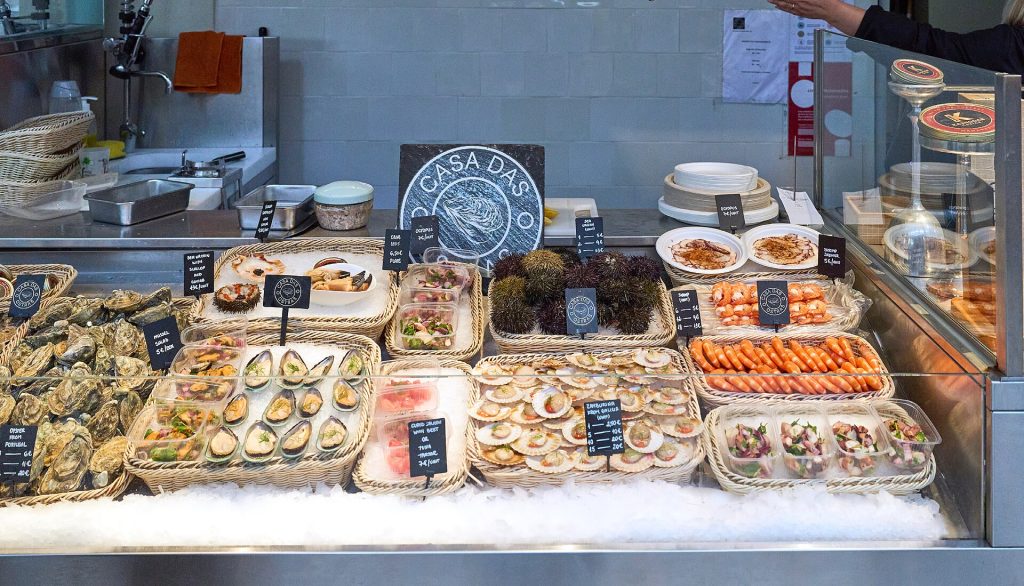
Different market settings provide different experiences, from produce shopping to food counters and visitor-oriented browsing. Choose the one that fits the neighbourhood you already intend to explore.
Campo de’ Fiori can form part of a central walk, while another district’s market may require a deliberate journey. Check when the businesses relevant to you operate and avoid treating the name of a square as a promise of the same activity at every hour.
For a short visit, one considered market morning is enough. It should add context to the stay, not displace the museum or neighbourhood you most wanted to see.
Read the bill before surprises arise
Check menu prices, service arrangements and any listed charges rather than assuming every restaurant uses the same system. Clarify what is included in a set menu and whether a suggested extra is priced separately.
Reserve the restaurant that matters most, especially for a larger group or specific access needs. Keep other meals close to the day’s geography so food remains enjoyable rather than another cross-city transfer.
Our four-day Rome route leaves meal intervals open for precisely that reason. A good food plan helps you choose confidently while preserving enough ordinary time to notice the neighbourhood around the table.
If someone in the group wants a food tour, compare the actual tastings, walking distance and meal expectations before booking. A tour may replace lunch rather than sit comfortably before a full restaurant reservation. Ask about dietary needs in advance and do not assume every stop can provide an equivalent alternative at the counter.