Madrid works best when you give its museums and its streets equal attention. The Prado deserves an unhurried visit, but so does the stretch between a late lunch in the Literary Quarter and an evening around La Latina. For a first trip, concentrate on the historic centre, the art museums along Paseo del Prado and Retiro Park. Add northern neighbourhoods once those pieces fit.
Three full days is a sensible starting point: one for royal Madrid, one for art and green space, and one for neighbourhoods and a second museum. This guide helps you choose what belongs in those days, where to sleep and which practical details need checking before departure.
Get your bearings before booking
Puerta del Sol is a useful reference point. West of it lie Plaza Mayor, the older streets of the Austrias area and the Royal Palace. East and southeast, Barrio de las Letras leads towards Paseo del Prado and the major art museums. Retiro Park sits beyond them. Gran Vía runs north of Sol; Malasaña and Chueca lie further north.
You can organise much of a first visit into these walkable clusters, although crossing between them repeatedly wastes energy. Choose a morning anchor, then eat and explore nearby. A central address helps, but a room beside a late-night bar may be less comfortable than one a few Metro stops away.
Choose your neighbourhoods
Austrias and La Latina: squares and older streets
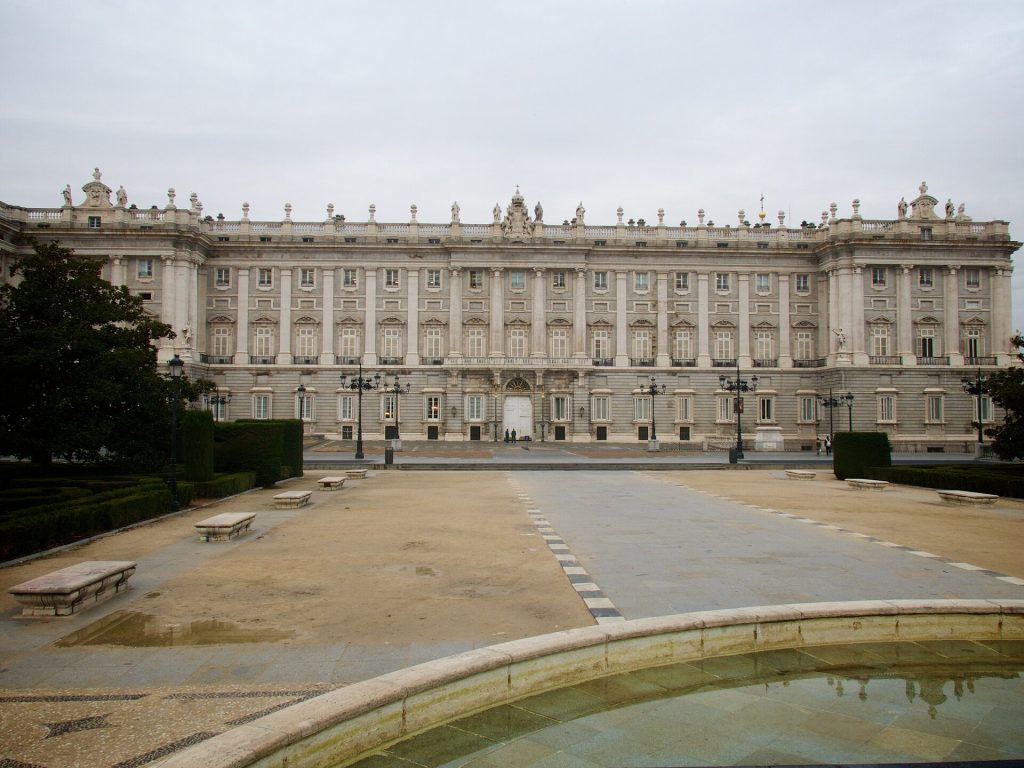
Use the Royal Palace and Plaza Mayor as the two ends of a historic-centre walk. Let the smaller streets between them provide the detail rather than rushing from monument to monument. Plaza Mayor is worth entering for its enclosed architectural setting even if you choose to eat elsewhere.
South of this core, La Latina offers winding lanes and squares such as Plaza de la Paja. Cava Baja and Cava Alta are established eating and drinking streets. Come for a meal or an evening, but expect company: the district is a well-known destination, particularly around the Sunday Rastro market. For a more relaxed meal, reserve a table instead of assuming you can walk into the busiest tavern.
Barrio de las Letras: literature between the sights
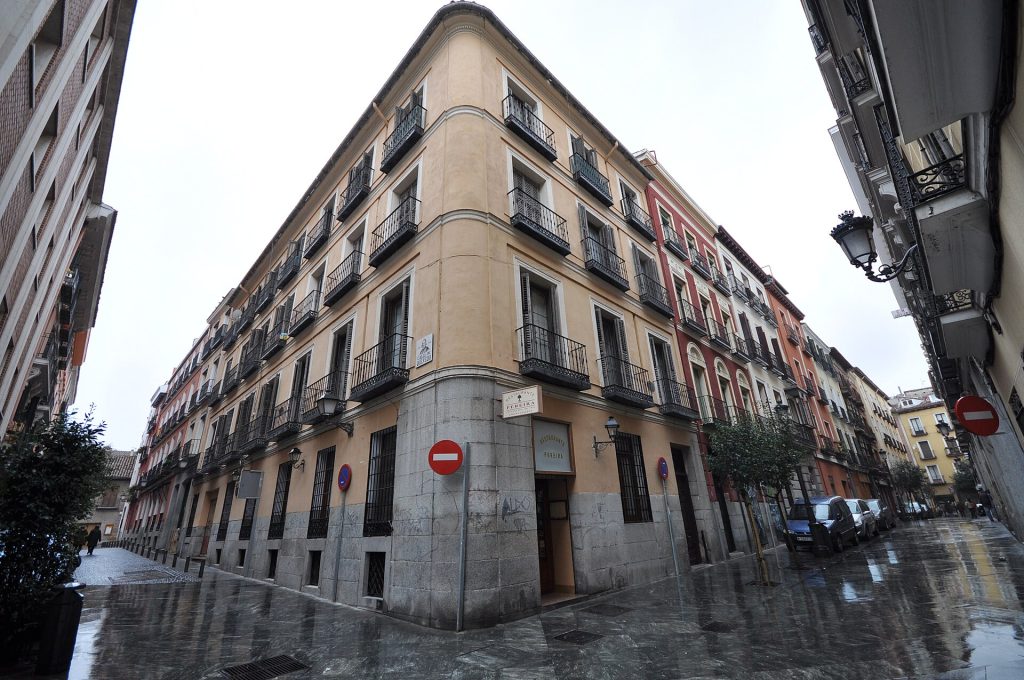
The Literary Quarter is a useful bridge between Sol and the museums. Look for literary inscriptions along Calle Huertas, then pause around Plaza de Santa Ana. Its associations with writers including Cervantes and Lope de Vega give the streets context without requiring another long indoor visit.
This is a strong first-trip base if you want to walk to cultural sights and return to restaurants in the evening. Choose the actual street carefully: outdoor tables and bars can be part of the appeal at dinner and a drawback at bedtime.
Malasaña and Chueca: an evening beyond the monuments
North of Gran Vía, these districts suit a looser afternoon of shopping, cafés and dinner. Malasaña has links to the creative upheaval of the 1980s Movida Madrileña; Plaza del Dos de Mayo gives a useful focus for exploring it. Chueca combines shops with a prominent nightlife scene.
Neither requires a checklist. Pick one for an evening rather than marching through both after a full museum day. If you stay nearby, inspect the accommodation’s immediate surroundings and recent noise comments instead of treating a neighbourhood label as a guarantee.
Make room for art without exhausting yourself
Prado: choose a route, not a completion target
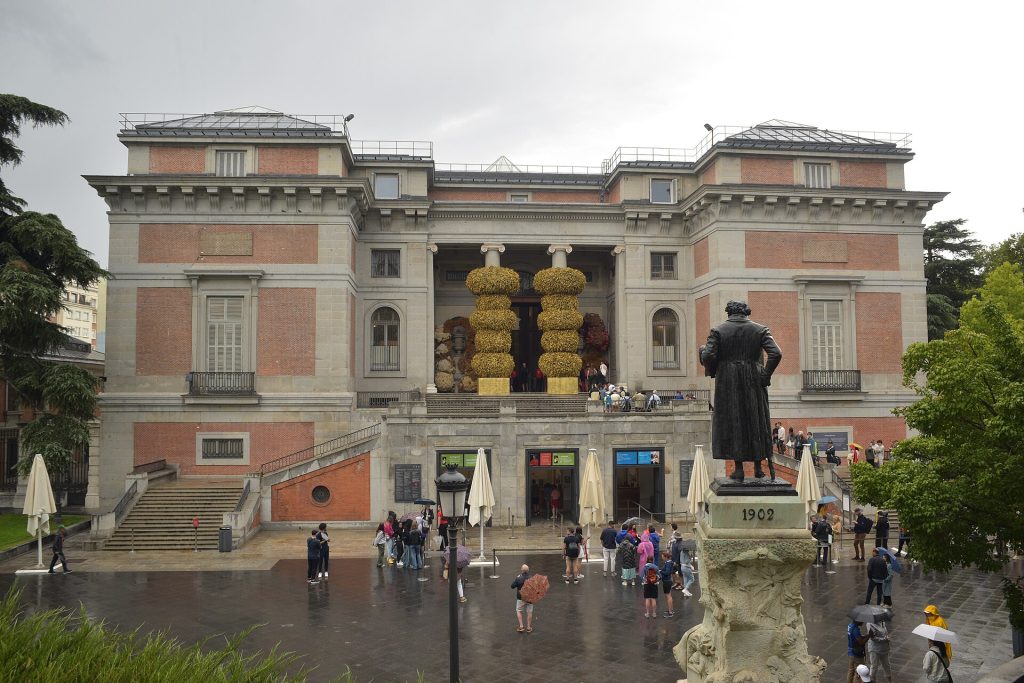
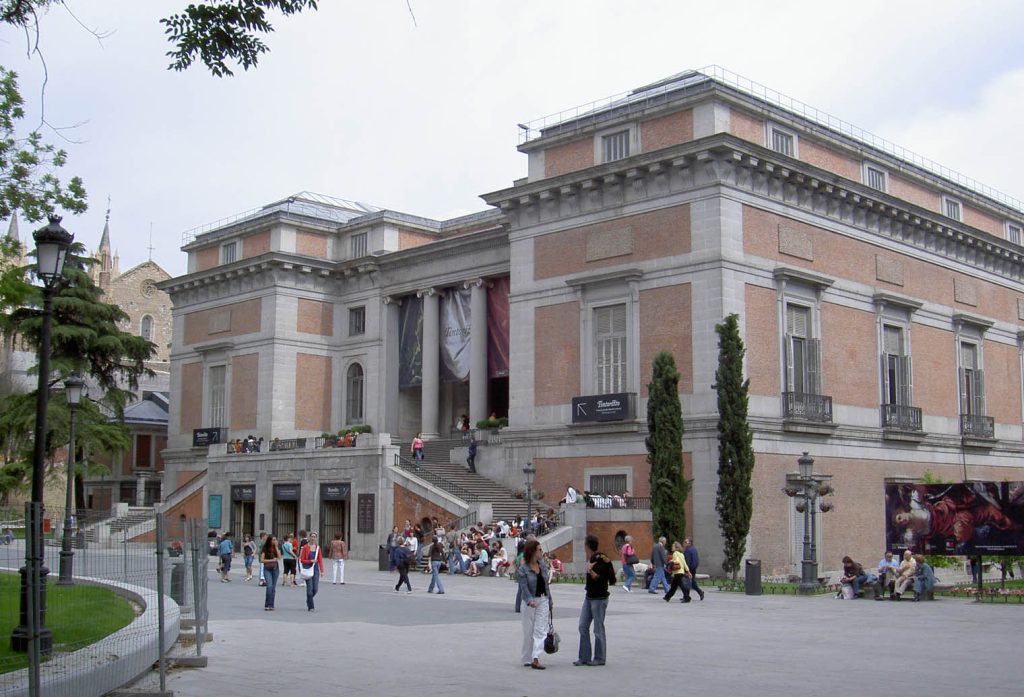
The Prado is the strongest starting point for visitors drawn to older European painting. Velázquez’s Las Meninas, Goya’s The Third of May 1808 and Bosch’s The Garden of Earthly Delights offer three very different ways into the collection. Select a few artists or rooms using the museum’s digital map; leave space to stop at something unfamiliar.
Reserve a morning or afternoon rather than squeezing it between other timed attractions. The Prado’s visitor page has ticketing, hours and the map. Collection access is free in the final two opening hours, subject to capacity, but a shorter, potentially busy window is a compromise if painting is your main reason for coming.
Reina Sofía or Thyssen: decide what you want next
Choose the Reina Sofía for modern art and the historical context around Picasso’s Guernica. The work responds to the bombing of the Basque town during the Spanish Civil War; approach it as more than a photograph to collect. The museum’s surrounding displays can help make sense of its place in twentieth-century history. Check the current visitor information: the main site normally closes on Tuesdays.
The Thyssen-Bornemisza is an alternative for a broad sweep through painting, especially if you would rather compare periods than add another large specialist visit. Consult its collection and exhibition information before choosing. Two museums experienced attentively will usually be more rewarding than three visited out of obligation.
Royal Palace and Retiro: two different kinds of space
The Royal Palace is the obvious indoor anchor for the western historic centre. Book through Patrimonio Nacional, which publishes seasonal hours and official-event closures. Keep the neighbouring streets and squares as the flexible part of the day, so a changed admission time does not unravel the whole route.
Retiro belongs naturally with the museum side of Madrid. Enter for a walk, a playground break or time beside the large lake and Alfonso XII monument. You do not need to buy a boat ride or visit an exhibition to make the park worthwhile. Its paths offer a useful change of pace after concentrated indoor sightseeing.
Do not build a visit around entering the Palacio de Cristal: the Reina Sofía currently lists it as closed for architectural work. Check the park information too, because severe weather can trigger partial or full closures. On such a day, replace the park with a café break and a shorter indoor visit rather than trying another gated garden.
How long to stay
With two full days, choose the palace, one major museum and a limited set of neighbourhood walks. Three days lets you add a second art collection and spend time north of Gran Vía without treating every meal as a refuelling stop. Four days gives you room for slower mornings, shopping or more specialist interests.
Our three-day Madrid itinerary groups these places geographically. Treat arrival and departure days separately: landing at lunchtime does not give you a full sightseeing day once you account for immigration, baggage, transport and check-in.
Eat with a little planning
La Latina is a practical place to explore tavern food, including croquettes, patatas bravas and huevos rotos, eggs served over potatoes with varying accompaniments. Order a small amount first and add more if needed; the distinction between a tapa and a larger sharing portion matters more than assembling a long list of dishes.
For a substantial traditional meal, look for cocido madrileño and check the restaurant’s serving arrangements before going. Save it for a day when a long lunch fits. Churros with thick hot chocolate make a different sort of stop, particularly in colder weather; they need not become another queue on a packed itinerary.
Check kitchen hours, not just opening hours, and reserve any meal you particularly care about. If you have dietary requirements, ask about ingredients and preparation directly. A menu’s short description may not tell you what is in a stock, sauce or garnish.
Getting in and around
From the airport, the best option depends on your terminal and final address. Cercanías rail departs from T4; Metro Line 8 serves the airport but does not deliver you directly to Sol. The Airport Express bus and licensed taxis are useful alternatives, especially with luggage or a late arrival. Compare the whole journey in our Madrid airport transfer guide.
In town, walk within clusters and use public transport between them. Before buying a pass, sketch your likely trips: a central three-day stay may involve fewer paid journeys than expected. The official Metro guide explains tickets and the Multi card. Check live service information rather than assuming a normal route will operate unchanged.
For step-free travel, verify each station and interchange as well as your destination. A lift at one entrance does not establish that an entire journey suits your needs. With a buggy, avoid stacking several transfers onto an already long sightseeing day.
When to come
Spring and early autumn are good starting points for a walking-focused trip, though rain and hot spells remain possible. Summer calls for a different rhythm: put longer outdoor walks early in the day and use the hottest part for a museum, meal or rest. Confirm air conditioning in your room before booking.
Winter suits an art-led break if you pack for cold mornings and evenings. Check daylight and opening times when planning outdoor stops. Madrid’s official climate guide gives seasonal context; the forecast for your dates should decide what goes into your bag.
Where to sleep
For a first visit, shortlist Sol for central connections, Barrio de las Letras for museums and evening dining, or the Retiro side for easier park breaks. Gran Vía suits travellers who value shopping and theatres; Salamanca is worth considering for an upscale, more residential setting, with transport factored into sightseeing.
Compare the final price, cancellation conditions and exact room features. Check whether a lift reaches your floor, whether a family room has the beds you need and whether a supposedly quiet room faces a courtyard containing equipment. Our Madrid neighbourhood accommodation comparison explains the trade-offs in more detail.
Before you go: common questions
What should I reserve first?
Book accommodation and the one or two attractions that matter most to you. Leave neighbourhood walks flexible. If budget is the constraint, compare Madrid’s free museum windows before choosing paid slots.
Is Madrid manageable with children?
Yes, if you shorten indoor visits and protect breaks. Pair one museum or palace visit with a park or square, carry snacks and check family facilities before buying tickets. A central room that makes an afternoon return practical can be more valuable than adding another attraction.
Should every day be fully planned?
Reserve your anchors and leave the intervals open. An extra hour with a painting or an unhurried lunch is easier to enjoy when it does not make you late for the next booking.