Berlin is a city of separate centres. The monumental streets around the Brandenburg Gate, the museum buildings beside the Spree and the cafés of Kreuzberg belong to the same trip, but they are not one compact walking circuit. Planning by neighbourhood makes the city easier to understand and leaves time for the everyday places between its major historical sites.
Allow three full days for an introduction, or four if museums and nightlife are both priorities. Choose one main historical or cultural visit each day, then explore the surrounding streets. Berlin rewards curiosity more than a timetable that treats every district as another brief stop.
Start with the city’s different layers
Berlin’s history includes Prussian power, the German Empire, Nazi rule, wartime destruction, division and reunification. Individual streets can contain traces of several periods. A modern building beside an older façade is often part of that story rather than an interruption to it.
Mitte is the most obvious starting point, but the administrative district is large. The areas around Museum Island, Alexanderplatz, the Brandenburg Gate and Rosenthaler Platz offer different experiences. Further out, Kreuzberg, Friedrichshain and Prenzlauer Berg each contain several neighbourhoods with their own patterns of daily life.
Think in clusters. A Museum Island morning pairs naturally with central Mitte; an East Side Gallery visit works better with Friedrichshain or the river near Kreuzberg. Trying to join all of them on foot in one day can consume your energy before the evening begins.
Brandenburg Gate and the government quarter
Begin at the Brandenburg Gate, where the city’s history of division and reunification is especially visible. Continue towards the Reichstag and the Spree for a sense of the government district’s scale, then decide whether to head into Tiergarten or towards another central visit.
If entering the Reichstag or visiting its dome matters to you, investigate the Bundestag’s official registration and identification requirements before travelling. An exterior walk needs no elaborate programme, while an interior visit should be planned as its own commitment.
Nearby memorials deserve attention rather than a quick photo between landmarks. At the Memorial to the Murdered Jews of Europe, behave with the consideration appropriate to a place of remembrance. Allow space for reflection and any associated exhibition you choose to visit, instead of immediately rushing to the next attraction.
Understand division at Bernauer Straße
The Berlin Wall Memorial on Bernauer Straße is one of the clearest places to understand how the border system affected ordinary streets and lives. The outdoor setting, surviving traces and interpretation provide context that a single surviving piece of concrete cannot supply alone.
Give this visit a proper block of time. Reading testimony and following the site’s layout can be emotionally demanding, particularly alongside other twentieth-century history. A quieter lunch afterwards may be more useful than another immediately scheduled memorial.
For a broader account of Nazi institutions and persecution, consider the Topography of Terror. Choose how much difficult history to absorb in a day, especially with children. Berlin offers the opportunity for serious learning, but the quality of attention matters more than the number of sites covered.
Museum Island: choose a collection, not a bundle of names
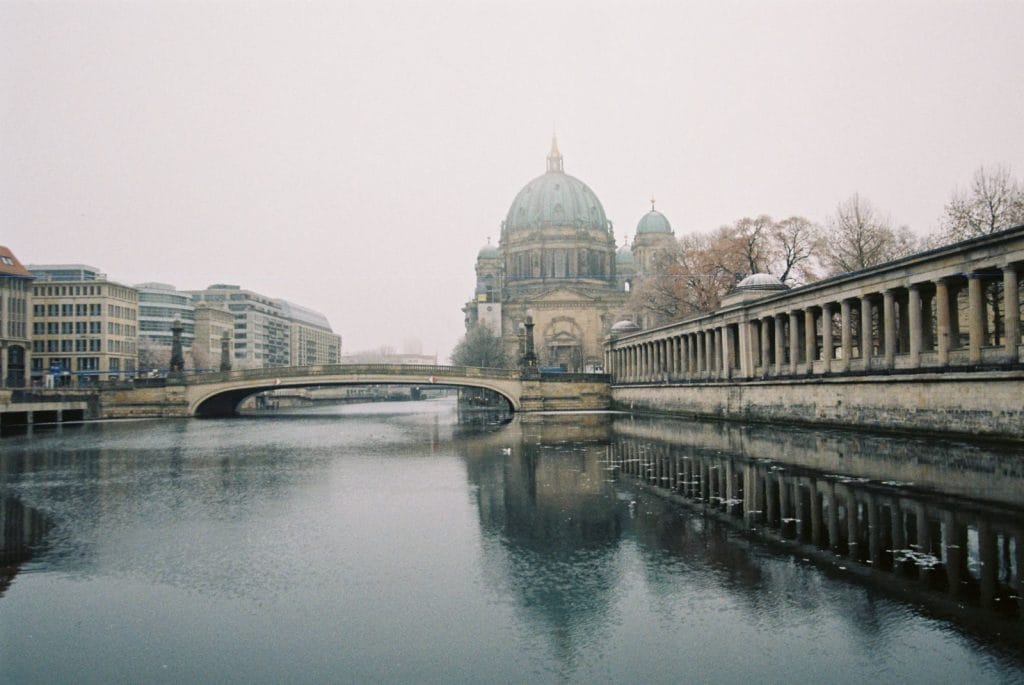
Museum Island brings several major institutions together beside the Spree. Select the collection that interests you most and check its current opening and ticket arrangements before organising the day. Antiquities, sculpture and painting require different kinds of attention; you do not need to attempt them all because the buildings stand near each other.
The Pergamonmuseum is undergoing a phased renovation programme. Consult the State Museums’ current visitor information for which spaces are available during your dates. The separate Pergamonmuseum panorama attraction should not be confused with admission to the main museum building.
Leave time outside as well. The river edges, bridges and surrounding architecture provide a good counterpoint to a substantial indoor visit. If museum fatigue arrives, end the collection visit and enjoy the district rather than pushing through several more galleries simply because they are there.
East Side Gallery and the river
The East Side Gallery preserves a long painted section of the former Wall, with works created after its opening. It speaks to the period of change and artistic response, offering a different experience from the memorial at Bernauer Straße.
Walk slowly enough to look at individual works and their context. Keep clear of cycle routes, avoid marking the wall and let other visitors pass when stopping for photographs. Some stretches become crowded, so patience makes the visit more enjoyable than trying to secure an empty background.
Combine the gallery with Friedrichshain or a crossing near Oberbaumbrücke towards Kreuzberg. Do not mistake this for a complete explanation of the former border: pair it with a more interpretive historical site if division is a main interest.
Kreuzberg and Friedrichshain: explore beyond the label
Kreuzberg offers food, independent businesses, streets shaped by migration and different kinds of nightlife. The areas around Bergmannstraße and the eastern neighbourhoods towards the river do not have the same atmosphere. Choose a specific starting point, then explore on foot rather than arriving with a vague instruction to find the alternative district.
Friedrichshain combines residential streets, bars, cultural venues and the changing landscape around former industrial sites. Public-facing murals and galleries can be rewarding, but working studios, clubs and residential courtyards are not automatically open to casual visitors.
For art-led walks, use our alternative art and historical routes to choose a manageable area. Street art changes, so a particular mural should be a bonus rather than the sole reason for travelling across the city.
Prenzlauer Berg and slower neighbourhood time
Prenzlauer Berg suits a day built around cafés, shops, residential streets and a park break. Explore around Kollwitzplatz or another chosen cluster instead of expecting the whole district to feel identical. Local markets and events have specific trading days, so check them if they are important to the outing.
Mauerpark is another option, particularly when a market or public activity matches your dates. Expect the atmosphere to differ between event periods and an ordinary weekday. A park can be worthwhile without the famous weekend scene taking place.
This is a useful part of the trip for doing less: breakfast without hurry, a bookshop, a playground or a longer lunch. Those experiences give a clearer sense of Berlin as a lived-in city than another sequence of monument photographs.
Parks and outdoor space
Tiergarten provides an easy green break near central sightseeing. Pick a route and exit that fit your onward plans; its size means that entering the park does not put every monument or café nearby.
Tempelhofer Feld offers a very different scale, with broad former airfield space for walking and cycling. It can be exposed to sun and wind, so bring what you need and check entry arrangements before setting off. It is a deliberate outing rather than a small garden to visit between central appointments.
Cycling can make sense for confident riders, but spend time understanding junctions, priority and the local route. Walking and public transport remain perfectly good choices. A bicycle should make the day easier, not add anxiety to an unfamiliar street network.
Food: follow the neighbourhood
Berlin’s food is closely connected with migration and everyday city life. Döner, Turkish bakeries, Vietnamese cooking, traditional German dishes and contemporary kitchens can all fit into the same visit. Choose according to what is nearby and appealing rather than crossing the city for every meal.
A currywurst stop can be a snack or simple meal, but it need not stand in for the city’s entire food culture. Explore a neighbourhood’s bakeries, cafés and smaller restaurants, reading menus and checking payment arrangements before ordering.
Reserve where a particular dinner matters and keep other meals flexible. Vegetarian and vegan options are widely represented, but ingredients and preparation still deserve specific questions when allergies or strict dietary requirements apply.
Nightlife without building the trip around admission
Berlin’s nightlife includes bars, live music, clubs and more intimate cultural venues. Choose a programme or style of music that interests you rather than treating entry to a famous club as a compulsory travel achievement.
Check current opening, ticket conditions, age rules and house policies. Respect photography restrictions and staff decisions. Even with a ticket, read the venue’s admission conditions rather than assuming every product guarantees the same access.
Keep the next morning realistic after a late night. An early museum reservation adds little to the holiday if nobody is rested enough to enjoy it. Friends with different plans can agree on a meeting point later rather than requiring everyone to follow the same schedule.
Where to stay and how to move around
Mitte is practical for a first visit centred on museums and historical sights. Kreuzberg suits travellers who value neighbourhood food and lively evenings, while Prenzlauer Berg often appeals to those preferring a more residential routine. Compare exact streets, transport stops and room orientation in where to stay in Berlin.
The U-Bahn, S-Bahn, trams and buses make longer distances manageable. Check the appropriate fare zones and follow the validation instructions for the ticket you choose. Being on a railway platform does not establish that every train belongs to the same ticket system.
Berlin Brandenburg Airport lies outside the central AB fare area. Use our airport transit guide to plan the full journey, including the last leg from a city station to reception.
Seasons and a useful first plan
Summer supports long evenings and outdoor time; winter brings shorter daylight and a stronger case for museums, cafés and performances. Pack for the forecast and leave an indoor alternative for a wet or very cold afternoon.
Our three-day Berlin itinerary combines central history, museums and neighbourhood streets. Add time if you want several major collections or repeated late nights. The city is easier to enjoy when each day has a clear centre and enough freedom to change direction.