Three days in Berlin need a clear focus because the city is too spread out for a single grand walking tour. This itinerary gives central history, museums and eastern neighbourhoods separate space. Move the days around to match museum openings and any evening events you book.
Day 1: central history and the government quarter
Start at the Brandenburg Gate, then walk towards the Reichstag and the Spree. If you have arranged a registered interior or dome visit, make that the morning’s main commitment. Otherwise, enjoy the exterior setting without waiting for an unplanned entry opportunity.
Continue to the Memorial to the Murdered Jews of Europe. Give the setting and any exhibition you choose proper attention; this is a place of remembrance, not a backdrop for playful photography.
After lunch, decide how much more historical material you want. The Topography of Terror offers substantial context about Nazi institutions and persecution. If you visit, keep the rest of the afternoon quieter rather than immediately adding another emotionally demanding site.
For an outdoor alternative, walk in Tiergarten and choose a manageable route back towards transport. Keep dinner central or near your accommodation, especially after a travel day.
Day 2: Museum Island and northern neighbourhoods
Morning: choose one museum
Book the collection that interests you most on or around Museum Island. Check the State Museums’ current information, particularly for the Pergamonmuseum’s phased renovation. The separate panorama attraction is not the same visit as the main museum.
Allow a substantial block for the collection and take a break before deciding whether you want more. One thoughtful museum visit is enough for the morning; having several buildings close together does not make their collections small.
Lunch and afternoon: make a choice
Have lunch in the wider Mitte area, then choose between neighbourhood time and a more focused history visit. For a lighter afternoon, head towards Prenzlauer Berg for cafés and residential streets, selecting a particular area rather than wandering across the whole district.
For a deeper understanding of division, use the afternoon for the Berlin Wall Memorial on Bernauer Straße. Its interpretation and outdoor setting deserve time, so shorten the neighbourhood component accordingly. It provides a different experience from tomorrow’s painted Wall section.
If a local market matters, check its trading day before planning lunch around it. Otherwise, keep the meal flexible and enjoy the neighbourhood as it is rather than expecting a weekend scene every day.
Evening: protect the next morning
Choose a concert, bar or club according to your interests and current programme. Read age, ticket and photography policies before going. A famous venue is not compulsory, and an extremely late night may call for a later start tomorrow.
Day 3: East Side Gallery, Friedrichshain and Kreuzberg
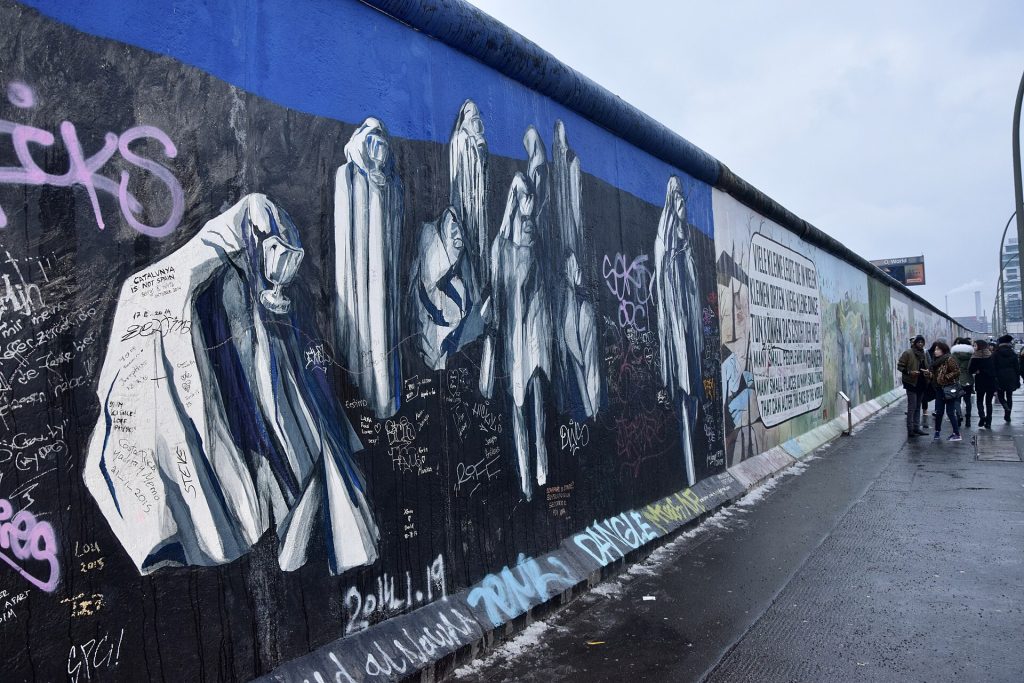
Begin at the East Side Gallery, walking the painted section of the former Wall at an unhurried pace. Look at individual works, keep cycle routes clear and avoid adding marks of your own. The site reflects the period after the Wall opened rather than reproducing the whole former border system.
Explore a manageable part of Friedrichshain, then cross near Oberbaumbrücke towards Kreuzberg if the route suits your day. Use transport where useful; there is no prize for connecting every neighbourhood on foot.
For lunch, choose something that reflects Berlin’s everyday food culture, whether a Turkish bakery, a Vietnamese meal or another local option. Read the menu and payment arrangements before ordering rather than choosing entirely by queue length.
Spend the afternoon in one Kreuzberg cluster, browsing public-facing shops and galleries or taking a canal-side break. Street art changes and private studios are not automatic visitor spaces. Our art and walking routes provide a more focused approach.
For the final evening, stay where you are enjoying yourself instead of travelling across town for another compulsory viewpoint. If you have an early departure, make the route back straightforward.
Adapt the route without overloading it
For a wet day, extend the museum component and shorten the outdoor route, keeping lunch nearby. For warm weather, move the most exposed historical walk earlier and use a park or shaded café later. If your three days include arrival and departure, remove a sightseeing cluster rather than expecting both transport days to function as full days. Berlin’s distances make a generous margin particularly useful when collecting luggage before an airport journey.
Art enthusiasts can substitute a second collection for a neighbourhood afternoon. Families may prefer more park time and shorter historical visits. If nightlife is the main interest, shift the morning starts and reduce the number of bookings rather than trying to maintain a full sightseeing schedule on little sleep.
Check routes and ticket zones through the local transport planner, especially for airport travel. A base near a useful station helps; compare Berlin’s main accommodation areas before booking. The itinerary works best when you have enough time to stop somewhere simply because the street, café or conversation is interesting.