The best Berlin base is usually close to a useful transport stop and the kind of evenings you want. Mitte makes central sightseeing straightforward, Kreuzberg offers varied food and nightlife, and Prenzlauer Berg supports a more residential routine. All three cover large areas, so the street and station matter more than the district name alone.
Compare the main choices
| Area | Best for | Everyday benefit | Main trade-off |
|---|---|---|---|
| Mitte | First visits, museums, central history | Several major sightseeing clusters nearby | The district is extensive and atmosphere varies |
| Kreuzberg | Food, bars, neighbourhood exploration | Plenty of reasons to stay local in the evening | Some streets are noisy late into the night |
| Prenzlauer Berg | Longer stays, cafés, families | Residential streets and local amenities | More travel to some central and western sights |
Before booking, test journeys to two or three places you plan to visit. A short walk to the right station can be more useful than being slightly nearer the geographical centre.
Mitte: choose your part of the centre
Mitte suits a first visit focused on Museum Island, major memorials and the government quarter. Staying centrally can make it easier to return for a rest between a substantial museum visit and dinner.
The area around Friedrichstraße gives a different routine from Alexanderplatz or Rosenthaler Platz. The first can suit central connections and a more commercial setting; the latter areas offer their own mixes of restaurants, shops and street activity. Check the actual walk from the property to the station you need.
Mitte is not a guarantee that every major attraction is close on foot. Berlin’s scale still calls for public transport, especially if you want Kreuzberg, Friedrichshain or western museums. Paying a central premium is most useful when your itinerary actually uses the nearby sights.
For quieter sleep, ask about room orientation and nearby nightlife or traffic. Courtyard rooms can help, though daylight and service noise vary. A polished lobby does not tell you how the cheapest room category faces the street.
Kreuzberg: stay for the neighbourhood, not a stereotype
Kreuzberg works well when food, bars and independent businesses are part of the attraction. It is not one continuous nightlife zone: streets around Bergmannstraße and areas towards Schlesisches Tor provide different stays.
Choose a particular cluster you want to use in the evening, then compare transport for the day. A property near a useful U-Bahn stop can support central visits without losing the neighbourhood atmosphere that brought you here.
Lively streets can mean late conversations, music and early deliveries. Ask whether the room faces the main frontage and whether windows can be closed comfortably in warm weather. If quiet is essential, inspect the immediate surroundings rather than ruling the whole district in or out.
Kreuzberg suits friends, couples and travellers interested in eating locally. Families can stay comfortably too, provided the building and street match their sleep needs. For pushchairs or limited mobility, check lifts, entrance steps and the relevant station’s access separately.
Prenzlauer Berg: build a local routine
Prenzlauer Berg appeals to travellers who enjoy cafés, bakeries, neighbourhood shops and time in parks. Areas around Kollwitzplatz and other residential clusters can make a longer stay feel settled rather than organised entirely around tourist sights.
It can be useful for families who want nearby playgrounds and everyday food options. That does not make every property quiet or every apartment spacious. Check real beds, cot availability and whether the sleeping area is separate from the living room.
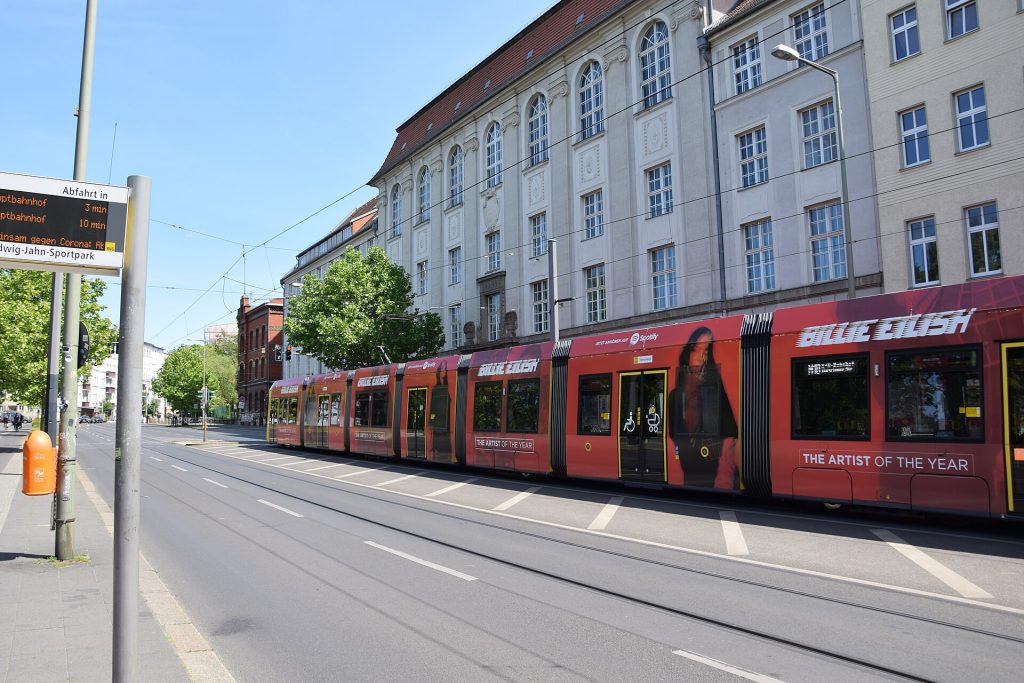
Tram and rail connections are important because the district’s edges differ substantially in convenience. Identify the nearest useful stop and check evening travel, especially if you expect to return from theatre, concerts or clubs elsewhere.
A market or weekend event may add appeal, but confirm dates before making it the reason to book. The same street can feel different on an ordinary weekday, which is the setting you may experience for most of your stay.
Compare the complete booking
For an apartment, ask whether the advertised address is the actual unit and whether photographs show that unit rather than a selection from the building. Check late-arrival procedures and how to reach someone if access instructions fail. A staffed hotel may be worth a little more for a short stay with uncertain arrival times, while a longer visit can make cooking and laundry facilities more valuable.
For summer, confirm cooling and ventilation rather than assuming air conditioning is standard. For winter, heating control and space to dry wet clothes can matter. Apartments should be assessed for check-in support, luggage storage and actual cooking equipment.
Compare total costs including breakfast, local charges and likely transport. A cheaper room far from a useful stop can cost both time and fares, while a central room adds little if your favourite areas are elsewhere.
Use the Berlin travel guide to choose priorities, then test the address against the airport journey. The right base should make the repeated parts of the trip easy, not just the first arrival.