London is easier to plan as a collection of neighbourhood days than as one enormous sightseeing circuit. Westminster and the South Bank give you the familiar river views; Bloomsbury and the West End combine museums, streets and theatres; South Kensington pairs major collections with parks. Choose a few coherent areas and the city becomes less tiring and more interesting.
Four full days provide a useful first visit, though they will not cover everything. Book the experiences you care about most, then leave space for a market lunch, an unexpected gallery or a walk that lasts longer because the streets are worth exploring.
Understand the distances
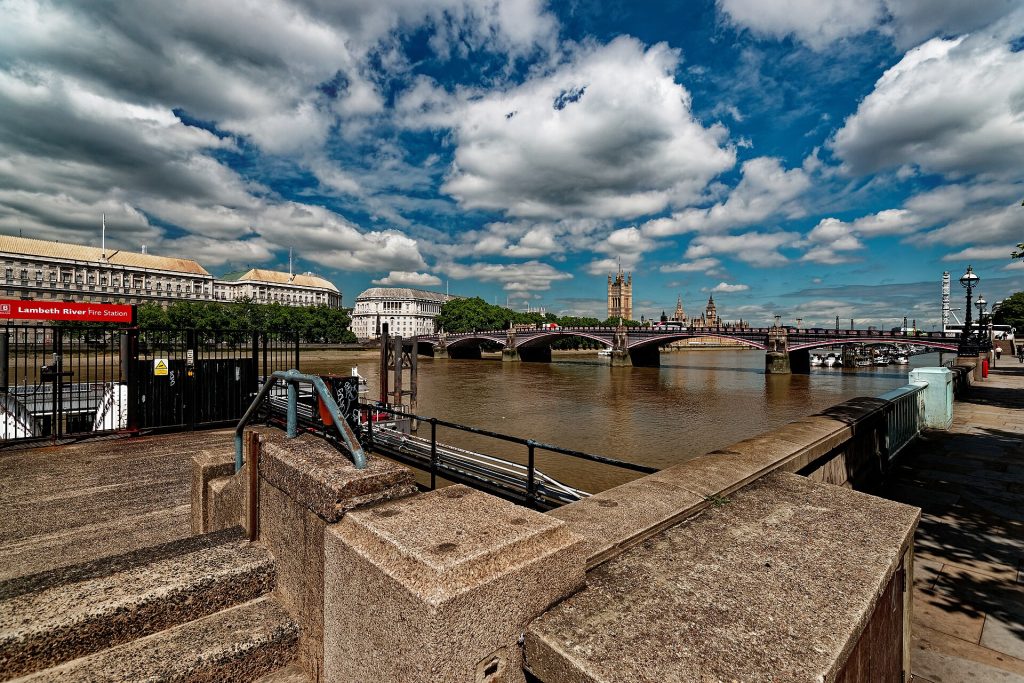
The Thames bends through the centre, and many famous places lie along or near it. That does not make them neighbours. Westminster, Tower Bridge and Greenwich belong to different parts of a realistic itinerary, even though photographs can make them feel like one continuous riverside attraction.
Use the Tube, Elizabeth line, buses and other rail services to connect areas, then walk within them. Check the actual route before assuming the Underground is always quickest: a direct bus or a short surface walk may avoid long corridors and an unnecessary interchange.
Travellers needing step-free access should plan station by station. A lift to the platform is not always the same as level boarding onto the train. The Transport for London planner lets you investigate routes, accessibility and service changes before committing to a day.
Westminster and St James’s: start with a clear choice
Parliament Square, the Elizabeth Tower and Westminster Abbey form a concentrated introduction to the city. Decide whether you want an exterior walk or a booked interior visit. The Abbey and parliamentary visits require separate attention to opening, admission and the day’s official arrangements.
Continue through St James’s Park towards Buckingham Palace if royal and ceremonial London interests you. The park is a welcome break from traffic and crowded pavements. Do not plan the entire morning around a ceremony without checking the official schedule and understanding that crowds may restrict what you can see.
For many first-time visitors, one substantial paid visit plus this walk is enough for a half-day. Adding several interiors before lunch leaves little time to appreciate any of them.
The South Bank and Bankside: follow a useful stretch
Cross towards the South Bank for river views and a sequence of cultural buildings, public spaces and places to pause. Around Waterloo, the riverside can be busy with visitors, performers and families. Further east, Bankside brings you towards Tate Modern and the approaches to London Bridge.
Choose a section according to the time and energy available. You can enjoy the river without walking all the way to Tower Bridge. Keep a second destination in mind for rain, and do not rely on finding a quiet table at the busiest riverside hour.
Tate Modern suits a dedicated gallery visit or a more selective look at contemporary and modern art. Borough Market offers food shopping and eating nearby, though crowds and trading arrangements vary. Treat the market as a meal stop with a plan, rather than arriving hungry and expecting every counter to have somewhere to sit.
The City and the Tower: history at different scales
The City of London combines medieval street patterns, churches, financial institutions and modern office buildings. Weekday bustle and weekend quiet create different experiences, especially when choosing cafés and lunch stops.
St Paul’s Cathedral can anchor a visit if its architecture and history interest you. Check admission and service arrangements before building the day around an interior tour. Crossing the Millennium Bridge links the cathedral area with Bankside, creating a coherent walking pair.
Further east, the Tower of London deserves a substantial visit. Book and plan around the parts that matter to you rather than assuming it is a quick stop before several other major attractions. Tower Bridge is a separate structure with its own visitor experience; seeing the bridge from outside does not require buying admission to its interior attractions.
Bloomsbury, Covent Garden and the West End
The British Museum can easily fill a morning or more. Choose a small set of collections to explore rather than trying to absorb every civilisation in one visit. Its scale rewards selection, especially with children or anyone who tires after prolonged standing.
From Bloomsbury, continue towards Covent Garden for streets, shops and a meal. The covered market area is only part of the neighbourhood; nearby lanes can offer a more comfortable place to pause when the centre is crowded.
The West End is a natural evening choice for theatre. Book a production that interests you and check the seat view, rather than treating any discounted ticket as a bargain. Allow time for food and travel before the performance. A dinner reservation across town immediately beforehand creates pressure that a simpler nearby meal avoids.
South Kensington and the western parks
The Natural History Museum and V&A offer different experiences within the same broad area. Choose one as the main visit: natural science, specimens and the building itself at the former; design, decorative arts and objects at the latter.
General collections can be visited without an admission charge at these institutions, while particular exhibitions and events may require paid tickets. Check current booking arrangements. Free entry does not eliminate queues, security checks or the need to choose a manageable route.
Combine the museum with Kensington Gardens or Hyde Park for a change of pace. The parks are large, so pick an entrance and a destination rather than assuming every corner is conveniently close. Our free museums and parks guide suggests useful pairings.
Add one neighbourhood beyond the standard circuit
For a longer stay, choose somewhere that reflects your interests. Greenwich combines maritime history, parkland and a different view of the river, but deserves its own day or substantial half-day. It is not a small detour from Westminster.
East London can suit food, street art and markets, though trading days and the atmosphere of particular streets vary. North London offers other possibilities around neighbourhood high streets, parks and cultural venues. Choose an area for something specific you want to do, then allow time to wander nearby.
Avoid selecting a distant market simply because it appears on many lists. A nearer neighbourhood with a bakery, bookshop or park that interests you may provide a better afternoon and considerably less transport.
Food without turning every meal into a booking
If your group has specific interests, make those interests visible in the plan. A music venue, football match, garden or specialist museum may deserve more time than another internationally famous landmark. For ticketed events, confirm the authorised seller, age restrictions and the route home after the finish. For shopping, choose an area matching what you want to buy rather than travelling to several distant high streets. These decisions create a more personal visit without requiring a densely packed schedule or an expensive private tour.
London’s food reflects its international population as much as British traditions. Mix cuisines and formats: a pub lunch, a South Asian meal, a neighbourhood café or market food can all belong in the same visit.
Reserve the restaurant or special occasion that matters, leaving other meals flexible. Read menus and check whether a service charge is added before comparing prices. If choosing afternoon tea, inspect what is included and whether the setting justifies the cost for you.
Pubs vary from drinks-led rooms to food-focused venues, with different kitchen hours and child policies. Confirm the details if travelling as a family. A nearby supermarket or bakery also provides practical breakfast and picnic options when sightseeing has already used much of the day’s budget.
Where to stay
Covent Garden suits travellers who want theatre, restaurants and central walking. It can command high room rates, and lively streets make room orientation important. South Bank accommodation offers river access and useful connections, but the label covers a long area; check the exact station and bridge nearby.
Paddington is convenient for Heathrow rail links and access to the western parks. It can be a practical first base, though the room and surrounding street deserve the same scrutiny as anywhere else. Older converted buildings may have small rooms and awkward stair arrangements.
Compare these locations in where to stay in London. Prioritise a room that fits your group and a station serving your likely routes. A distant bargain loses value when it repeatedly costs both time and fares.
Arriving and paying for transport
London has several airports with different connections. Heathrow, Gatwick and Stansted are not interchangeable, and the fastest advertised train may not give the simplest journey to your hotel. Our airport transfer comparison explains the main choices.
For ordinary city journeys, contactless payment can simplify travel where accepted. Use the same card or device consistently for a journey and check arrangements for each traveller, especially children. Fare caps and coverage depend on the services and areas used; do not assume every airport express belongs to the same pricing structure.
Check planned engineering work before weekend trips or an early flight. Keep a realistic margin for large stations, exits and the final walk. A rail arrival in central London can still leave a meaningful journey to reception.
Seasons and a realistic first itinerary
Summer offers long daylight but busy attractions and potentially hot transport and rooms. Winter brings early darkness, so arrange outdoor walks earlier and use museums or theatre later. Rain is possible throughout the year; a light waterproof layer and flexible afternoon plan are more useful than abandoning every outdoor idea.
For a balanced introduction, follow our four-day London itinerary. Give each day one main area and one major booking. The remaining space lets the city feel like a place you are exploring rather than a timetable you are trying to survive.
Can you visit on a modest budget?
Yes, by combining free collections, parks and selective paid visits. Spend deliberately on accommodation location and the experiences that matter most, rather than paying for an attraction at every stage of the day.