
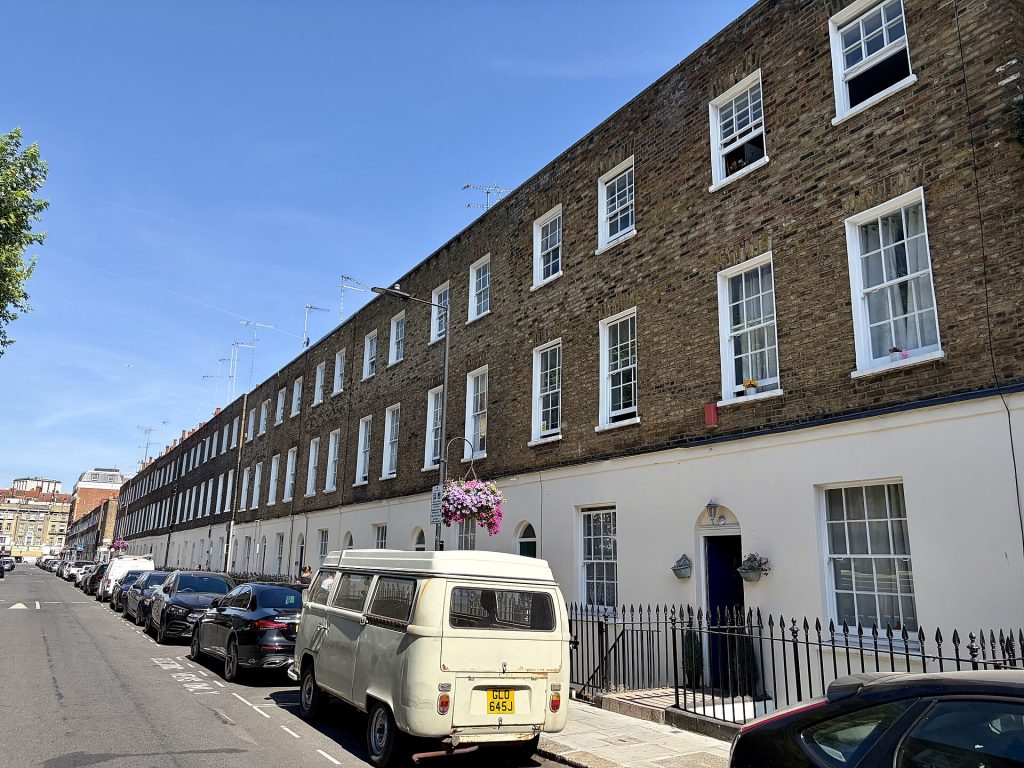
London accommodation is a balance between room cost, daily travel and the atmosphere outside the door. Covent Garden puts theatre and the central West End close by; the South Bank offers riverside walking and several useful transport hubs; Paddington is practical for Heathrow connections and the western parks. The best choice depends on how you intend to spend the trip.
Start with two or three likely sightseeing days and your arrival airport. Test the journeys from each area, then compare actual rooms. A famous central address is poor value if the bed arrangement does not work, while a cheaper room can become expensive through repeated long journeys.
Compare the three bases
| Area | Strongest fit | Main benefit | Main compromise |
|---|---|---|---|
| Covent Garden | Theatre, central restaurants, short first visits | Much of the West End is walkable | High demand and lively streets |
| South Bank | River walks, mixed sightseeing, families | Several sightseeing clusters and rail hubs nearby | The label covers widely differing locations |
| Paddington | Heathrow arrivals, park access, practical stays | Useful airport and city connections | Room quality and street character vary considerably |
No area gives equal access to every part of London. Choose the base that simplifies your most frequent journeys, not the one that happens to be geographically closest to a single attraction.
Covent Garden: pay for time on foot
Covent Garden works especially well for a short stay built around theatre, restaurants and central sightseeing. You can walk to neighbouring West End districts, reach Trafalgar Square without a complicated journey and return to your room before an evening performance.
That flexibility can justify a higher rate if you will use it. Couples on a theatre break and travellers who enjoy choosing dinner while walking often benefit most. A family with young children may also value being able to return for a rest, though the room cost and noise need careful comparison.
The name covers streets with different levels of activity. The immediate market area, busy entertainment streets and quieter edges towards Holborn do not provide identical stays. Look at the actual entrance and room orientation, especially if you expect an early bedtime.
Noise and access deserve specific questions
Ask whether the room faces a street, internal courtyard or service area, and whether nearby venues operate late. Courtyard-facing does not automatically mean silent: ventilation equipment and deliveries can matter too. Check recent room-specific information rather than relying only on the hotel’s overall description.
Historic buildings can have small lifts, steps before reception and compact bathrooms. Confirm access if stairs are a concern. If arriving with a pushchair or wheelchair, inspect the complete route from the station as well as the building itself.
Covent Garden station is convenient for some journeys, but another nearby station may offer an easier route or a better connection. Use a planner with your actual destination instead of assuming the station sharing the neighbourhood name is always the best option.
South Bank: first decide which stretch
The South Bank is a long riverside area, not a single hotel district. A property near Waterloo and the central cultural venues gives a different daily routine from one further east towards Bankside. Check the nearest station, bridge and walking route to the places you intend to use.
Around Waterloo, you have useful rail and Underground connections alongside Westminster-facing walks and riverside attractions. It suits a mixed first visit and can work well for families who want outdoor space between indoor activities.
Further towards Bankside, accommodation can suit Tate Modern, the City across the river and food-focused visits around London Bridge. That may be ideal for your interests, but it is a different location from the West End after a late show. Do not treat every listing using the river as a reference point as equivalent.
River views and everyday convenience
A river-facing room can be appealing, but compare the category carefully. A partial view, view from a shared space and direct view from the bedroom are different products. Construction, neighbouring buildings and the floor can affect what you actually see.
Think about the approach at the times you will travel. Riverside promenades are pleasant for an afternoon walk, while the easiest route from a station may use ordinary streets behind them. Check late reception, luggage storage and the entrance location if arriving after dark.
Many properties occupy substantial modern buildings, but that does not guarantee large rooms or family-friendly layouts. Confirm the actual beds and whether an extra bed reduces the usable space to almost nothing. A four-person occupancy limit is not a description of comfort.
Who should choose this area?
The South Bank suits visitors whose plans genuinely use the river and adjacent sightseeing clusters. It is also useful for travellers who enjoy walking part of the day’s route and taking transport for the rest. If nearly every evening is in the West End, compare the return journey with staying north of the river instead.
Use our four-day London itinerary to see how a riverside base fits a typical first visit. You may find that one stretch supports your plans clearly better than another.
Paddington: practical, with important differences between buildings
Paddington is a strong choice for travellers using Heathrow, with Elizabeth line and Heathrow Express options at the station. It also provides access towards Hyde Park, Kensington Gardens and other western districts, alongside wider city connections.
The area can make a short stay less complicated when you arrive with luggage or leave early. A straightforward walk from the station is particularly valuable if you would otherwise need to negotiate another interchange before checking in.
However, a hotel described as near Paddington may not be near the exit or platform you need. The station complex is large, and the surrounding streets extend in several directions. Check directions from your likely arrival point rather than relying on a distance measured from the centre of a map pin.
Compare converted houses and larger hotels
Accommodation in converted buildings can offer character and competitive rates, but room sizes, stairs and lift access vary. Ask about the floor, basement rooms, window position and whether the bathroom is within the room. Do not assume photographs show the exact category you selected.
Larger properties can be more predictable for luggage storage, reception and lifts, though they still require a room-level comparison. For summer, confirm cooling rather than treating it as standard in every building. For winter, check ventilation and the ability to control room temperature.
Look at the streets you would use for meals and evening returns. Some addresses suit travellers who value a quieter residential edge; others prioritise immediate station access and accept more traffic. Neither is automatically better, but the distinction should be deliberate.
When Paddington is less compelling
If arriving at another airport and spending most days in eastern London, the Heathrow connection may add little value. Equally, if you want to walk home from a West End theatre, compare the evening journey and total cost with Covent Garden.
Our airport transfer guide helps test the arrival advantage. Do not let an airport journey you make twice outweigh a city journey you make every day unless the difference is substantial.
Make budget comparisons fair
Longer stays and apartment bookings
For a week or more, an apartment can provide laundry and meal flexibility, but compare the services you give up. Confirm the cleaning schedule, towel provision, cooking equipment and who can help if a lock or appliance fails. Ask whether luggage can be stored before check-in; many apartment arrangements cannot offer the same flexibility as a staffed hotel.
Check the exact address and bed layout before paying. Photographs of another unit in the same building may not establish the light, access or space in yours. If travelling for a specific event, inspect the cancellation terms alongside the event’s own conditions. For a short visit, the simpler reception and bag storage of a hotel may outweigh a kitchen you barely use. For a longer stay with children, dependable laundry and a separate sleeping area may be worth a little more travel.
Compare rooms with similar cancellation terms, bed arrangements and breakfast provision. A low headline rate can exclude extras that matter to you, while a package may include things you will not use. Look at the payable total before deciding which area is cheaper.
For a longer stay, calculate likely transport and the value of time. A more central room can reduce some journeys, but London rarely becomes completely transport-free. Conversely, a well-connected room outside the most expensive streets may work perfectly if it serves your main routes.
Check bag storage on both arrival and departure days. Paying for several hours of external storage, or returning across the city to collect luggage, can change the practicality of an otherwise attractive booking.
Families and accessibility: ask beyond the standard filters
Families should confirm real beds, room capacity and whether connecting rooms are guaranteed or only requested. Check breakfast charges for children and whether there is space for a travel cot without blocking the route to the bathroom.
For accessibility, request details of entrance steps, lift dimensions, bathroom layout and the route to the bedroom. A property marked accessible may offer only specific rooms, which must be confirmed. The nearest station may not have the step-free route you need, so use TfL’s accessibility information separately.
Light sleepers should investigate road, railway and nightlife noise according to the building. A quiet neighbourhood reputation does not settle the question for a particular room. A short, specific exchange with the property can prevent more disappointment than another hour comparing panoramic photographs.
Settle the choice with an ordinary day
Imagine leaving after breakfast, returning tired in the afternoon and heading out for dinner. Covent Garden works when that day centres on the West End; the South Bank works when the river and nearby areas form the spine; Paddington works when practical connections and western sights do most of the work.
Use the London travel guide to select priorities, then choose the address that makes that ordinary day comfortable. A good base should improve the whole visit, not merely produce an impressive location line on the booking confirmation.