Four days in London work best with one main area per day and a small number of booked attractions. This route combines familiar sights with neighbourhood time, using public transport between clusters rather than repeatedly crossing the city. Move days around for museum closures, weather and the performances you want to see.
Day 1: Westminster, St James’s and the river
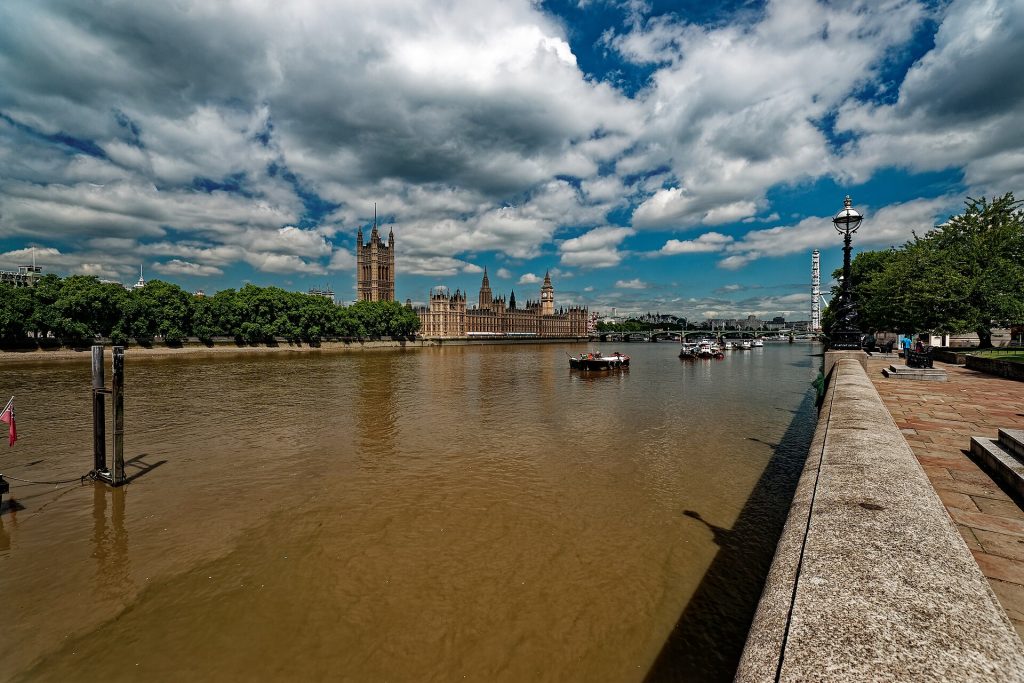
Start around Parliament Square for the Elizabeth Tower, Westminster Abbey and the surrounding streets. If entering the Abbey matters to you, book and give it the morning’s main block of time. Otherwise, keep this an exterior walk.
Continue through St James’s Park towards Buckingham Palace, allowing a pause rather than treating the park as a corridor. Check any ceremonial schedule independently; do not assume a particular event takes place daily.
After lunch, cross towards the South Bank for a riverside afternoon. Walk a comfortable section around Waterloo and stop for a drink or cultural visit. Save the longer walk to Bankside for another day if your group is already tired.
Choose dinner close to where you finish. A first day in London can involve much more standing and walking than expected, even before transport is counted.
Day 2: Bloomsbury, Covent Garden and theatre
Give the British Museum the morning, booking a free collection ticket as recommended by the museum. Choose two or three interests in advance rather than trying to see everything. A focused visit is usually more satisfying than rushing room to room until lunch.
Eat nearby, then walk through Bloomsbury towards Covent Garden. Explore the smaller streets as well as the central market area. There is room for shopping, coffee or a return to your hotel, depending on energy.
If theatre interests you, make this your West End evening. Check seat views and performance times before buying, then arrange a nearby meal with enough margin. An ambitious restaurant booking in another district can turn a relaxed afternoon into a race.
For a theatre-free alternative, use the evening for dinner and a slower wander around Soho or another nearby area that appeals to you.
Day 3: the Tower, the City and Bankside
Book the Tower of London as the main morning visit. Allow enough time for the parts that interest you, including possible queues within the site. It is a substantial attraction, not simply a quick look before crossing the bridge.
After lunch, choose a route towards the City or along the river according to your priorities. Tower Bridge provides exterior views without requiring an interior visit; its paid visitor experience is a separate choice.
Continue towards Bankside if you have energy, using public transport where helpful rather than forcing a long continuous walk. Tate Modern offers a useful art-focused stop, while the Millennium Bridge connects towards St Paul’s.
If food is the priority, build a Borough Market visit around its current trading arrangements and expect busy periods. Pick a few things to eat instead of trying to sample everything, and check where you can sit.
Day 4: South Kensington and the western parks
Choose either the Natural History Museum or V&A for the morning. The first suits natural science and specimens; the second offers design and decorative arts. Both have extensive collections, so visiting one properly is generally better than trying to complete both before lunch.
Check entry arrangements, exhibitions and any timed activities beforehand. Free general collections do not mean every special experience is free or available without booking.
After lunch, walk in Kensington Gardens or Hyde Park, choosing a manageable section. If the weather is poor, spend longer in your selected museum or substitute another nearby indoor visit.
For the final evening, choose a meal reflecting your interests rather than another compulsory attraction. A neighbourhood restaurant can make a more comfortable ending than a distant viewpoint with a tight slot.
Change the route where it matters
Check the journey back to your accommodation before a late performance or dinner. A route that was easy during the day can change after services reduce or planned works begin. Keep the final evening simple if you have an early airport transfer the next morning.
Families can shorten each museum visit and keep more park time. Art enthusiasts can replace the Tower with a longer gallery day. Greenwich is a worthwhile alternative, but give it a substantial block of time rather than adding it to an already full river itinerary.
For accommodation, compare Covent Garden, South Bank and Paddington against these days. Use TfL’s journey planner to check weekend works, accessibility and actual connections.
If arrival and departure are included within your four days, remove a full sightseeing cluster. For additional lower-cost options, see free museums and parks in London. Keeping a little unplanned time makes it possible to stay longer somewhere you enjoy, which is often what turns a busy city break into a good one.