London’s free museum collections and public parks can support a substantial trip without filling every day with paid attractions. The key is choosing a few visits that suit your interests and combining them geographically. Free admission is an invitation to explore selectively, not an obligation to stay until you are exhausted.
British Museum: choose a route through the collections
The British Museum in Bloomsbury suits travellers interested in archaeology, history and objects from different cultures. Its scale makes advance selection worthwhile. Choose a period, region or small group of galleries rather than attempting a complete circuit.
The permanent collection is free, and the museum recommends booking a free timed ticket for priority entry and visit information. Special exhibitions can have separate admission. Check the official visitor page for current arrangements, group requirements and access information.
With children, build the visit around a few objects and stories. For adults, one focused morning can be more rewarding than a whole day of increasingly tired browsing. Allow time for security and use the museum’s facilities before heading out for lunch.
National Gallery: painting without a whole-day commitment
The National Gallery on Trafalgar Square is convenient for a shorter collection visit between other central activities. Choose paintings or periods that interest you and leave space to look closely. A single room can justify a visit when you are nearby.
General admission is free, with some exhibitions charged separately. The gallery offers free booking and publishes current entry arrangements on its visit page. Check the recommended entrance rather than assuming every door serves the same purpose.
Pair the gallery with a walk towards St James’s Park or a meal in the West End. Avoid scheduling another large museum immediately afterwards unless art is the clear focus of the day.
Natural History Museum: plan for popular periods
The Natural History Museum in South Kensington combines scientific collections with a building that is itself part of the attraction. Choose the subjects that appeal to your group, whether fossils, minerals or the wider natural world, instead of treating one popular gallery as the whole visit.
The general galleries are free. The museum offers free entry tickets and has separately ticketed exhibitions and events; check its visitor information before travelling. School holidays and weekends can be busy, so allow for queues and select a manageable route.
This is a useful family visit when you build in breaks. It is less successful when everyone arrives hungry and expects to see the entire building before lunch.
V&A: follow an interest through design
The V&A in South Kensington offers collections connected with design, decorative arts and the ways objects are made and used. It can suit travellers who prefer furniture, fashion, ceramics or sculpture to a general historical survey.
General admission is free, while some exhibitions and events carry a charge. Use the official V&A website to check displays, booking and access details for the particular venue: the institution now has more than one location.
Choose this or the Natural History Museum as your main South Kensington visit. Being close together makes a short second stop possible, but it does not make two extensive collections effortless to absorb.
Pair museums with the right park
St James’s Park works well with Westminster or the National Gallery area. Its paths, water and central setting provide a break from busy streets without a long journey elsewhere.
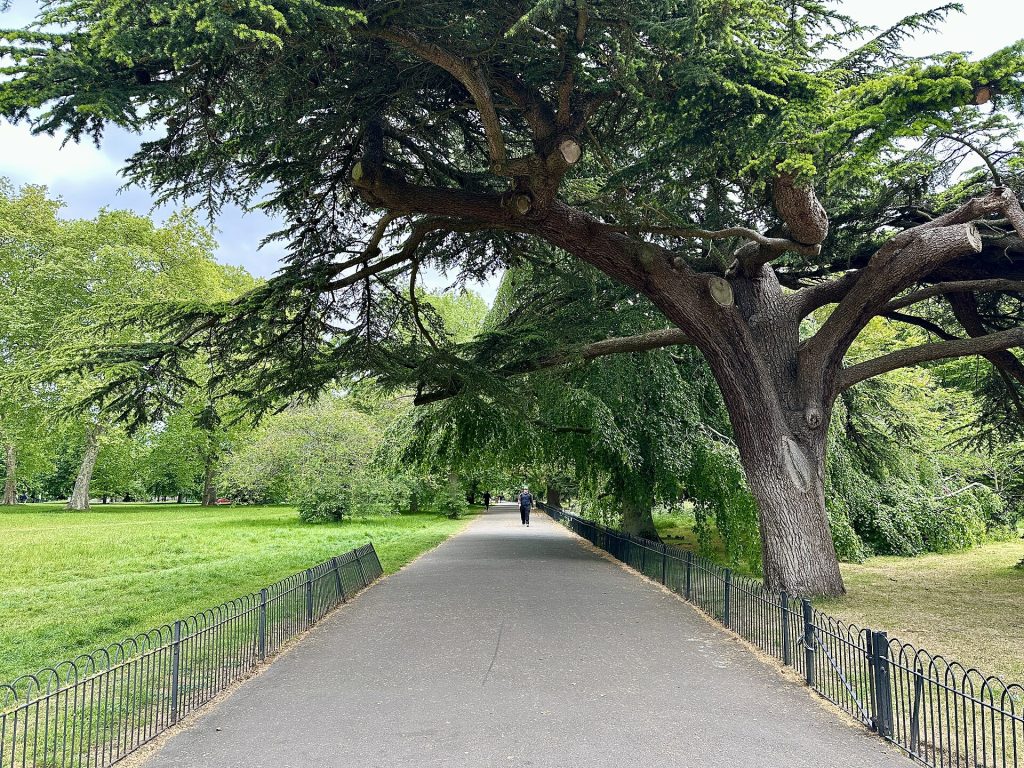
Kensington Gardens and Hyde Park are useful after a South Kensington museum. Pick a section and exit that support your onward plan. They cover a large area, and walking all the way across is a meaningful activity rather than an incidental shortcut.
Regent’s Park is another option when you want a park-led outing rather than a small pause. Greenwich Park offers a different setting and views, but should form part of a Greenwich visit. Travel across the city specifically for it if it matches your interests, not simply to collect another free place.
Park entry and ordinary walking are distinct from paid attractions, events or services within them. Check details before promising a completely free day to your group.
Keep the low-cost day comfortable
If members of your group have different interests, agree on a meeting time and place before entering a large collection. One person can spend longer with paintings while another takes a shorter route and a café break. You do not need identical levels of enthusiasm for the same museum to share a successful day.
Check opening days, gallery closures and free-ticket availability before leaving. Bring a layer for the park and consider a picnic, following local rules and taking litter away. Museum cafés are convenient, but food and transport still need a place in the budget.
Choose one substantial indoor visit and one outdoor stretch rather than stacking free attractions. Our four-day London itinerary shows how these places fit into wider sightseeing. The saving is most useful when it gives you freedom to explore at your own pace.