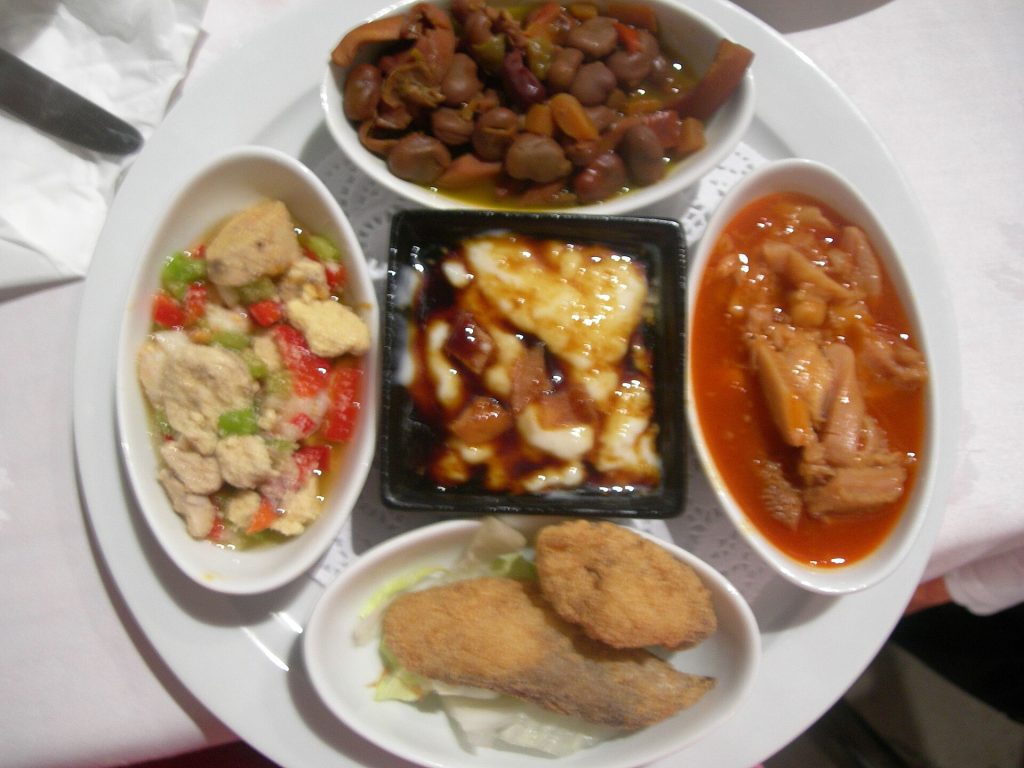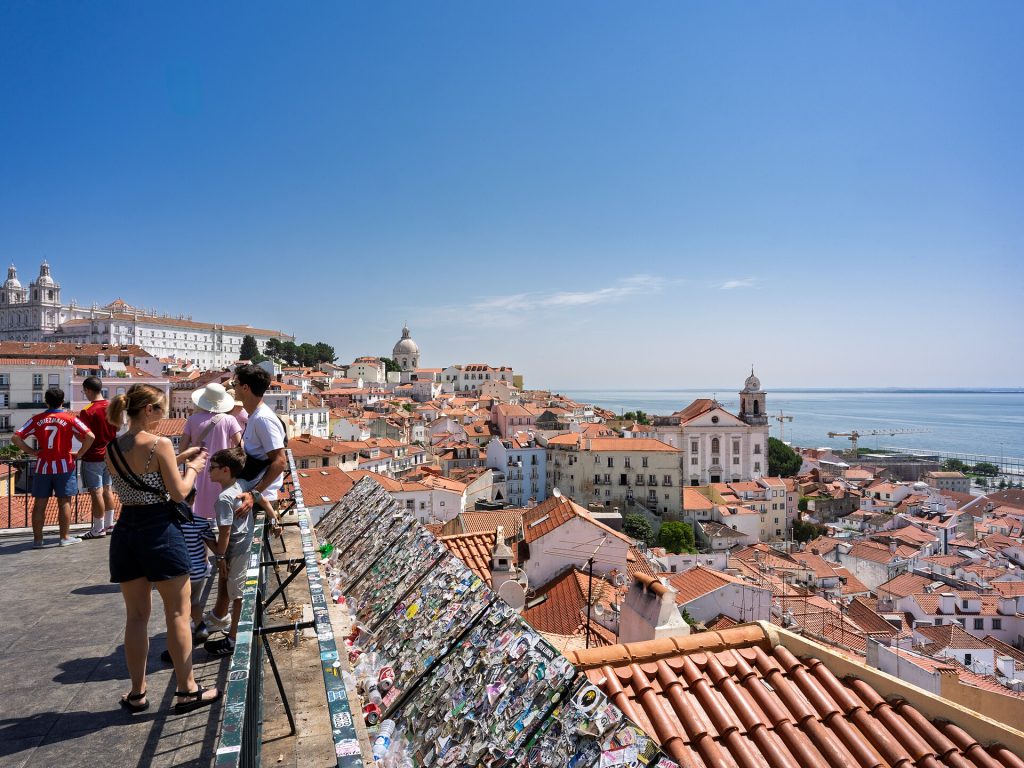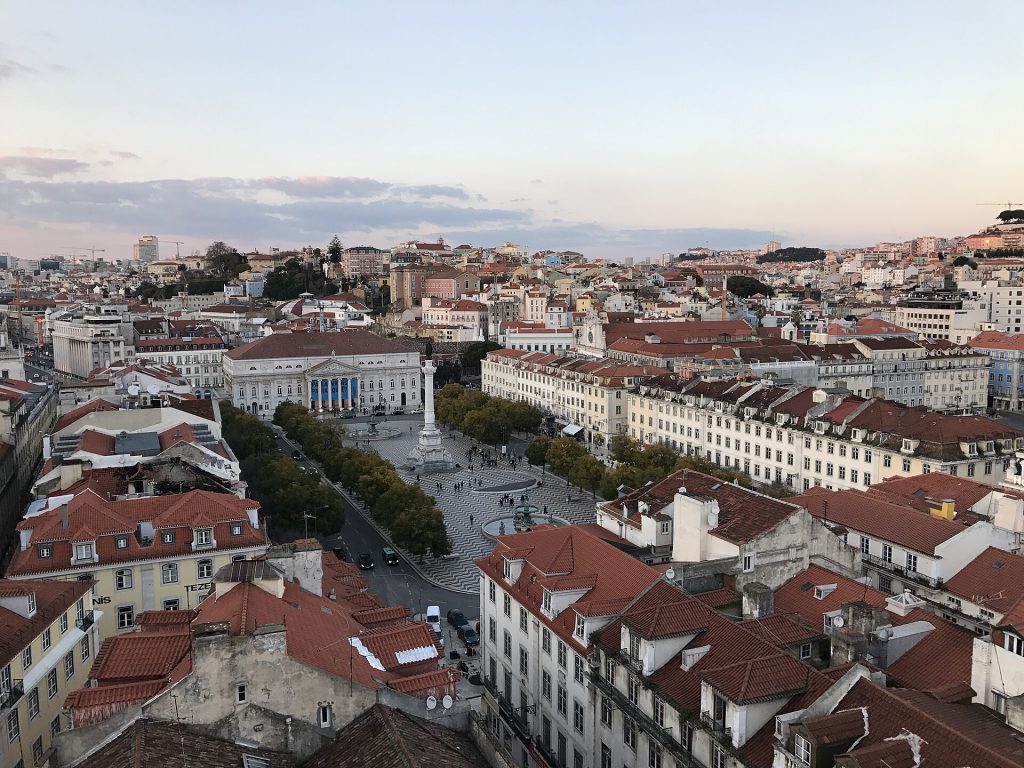
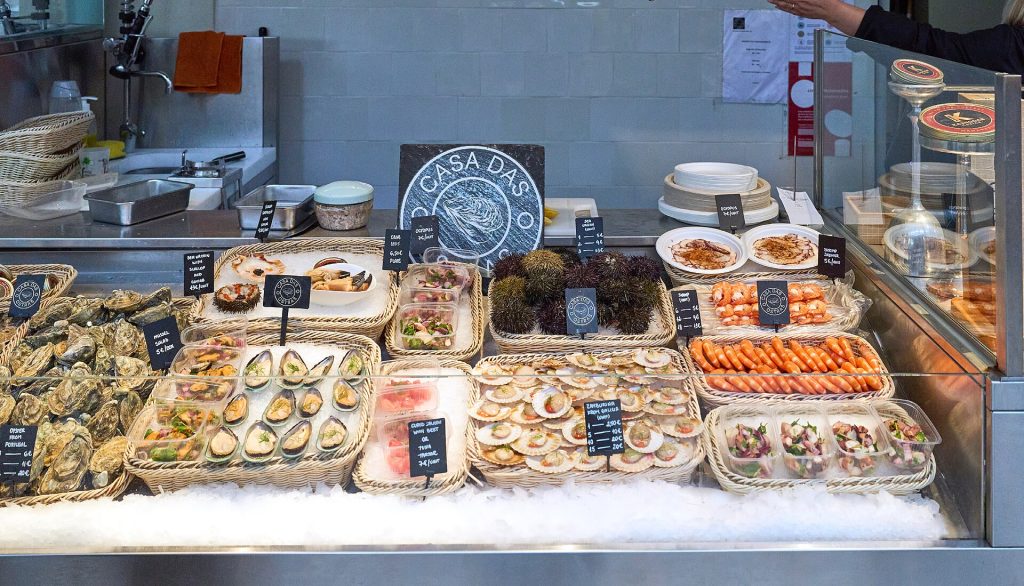
Porto’s food and wine interests work best as part of a varied day rather than a sequence of compulsory tastings. Choose a market visit, a substantial meal and perhaps one wine experience, then leave room for the neighbourhoods around them.
The city offers different formats: a quick café stop, a counter meal, a seated lunch and a cellar visit solve different needs. Decide what you want to enjoy before organising the route.
Start with the market as a working place
Bolhão is a natural starting point for food interest, but individual businesses deserve attention on their own terms. Browse produce, ask about something that interests you and consider buying a small item rather than treating the whole visit as an interior photograph.
Check the arrangements of any stall or eating venue you particularly want. A restaurant operating into the evening does not establish that the market’s produce businesses follow the same hours.
Keep aisles clear and ask before photographing people closely. Markets are easier to enjoy when visitors remain aware that shopping, deliveries and ordinary work continue around them.
Francesinha: choose the right moment
Francesinha is a familiar Porto food interest, with bread, a substantial filling and sauce forming a rich meal. It is not a light tasting item to add automatically before another large lunch.
Ask about the version served and the ingredients if dietary needs matter. Sauces and accompaniments can change what the short menu description appears to promise. A vegetarian variation is a separate preparation rather than something to infer from the dish’s name.
Choose it when you actually want that kind of meal, and leave time to sit afterwards. You do not need to order the city’s best-known dish simply to make every food experience locally specific.
Fish, regional cooking and simple meals
Vary the order across the stay. Fish, soups, regional specials and ordinary café meals can provide balance when another day already includes a rich lunch or tasting.
Look at the kitchen’s actual offering rather than expecting every restaurant to reproduce a standard Portuguese menu. Ask what is available, clarify portions and check whether bread or other items brought to the table are charged separately.
A restaurant’s location is not a guarantee of value. A riverfront table may be worth choosing for a long meal with a view; it adds less if you intend a quick stop and then leave. Compare the experience you want rather than only the address.
Port-wine lodges: compare the visit, not just the name
Vila Nova de Gaia provides the obvious setting for a cellar visit. The useful questions are what you will learn, how the tour is presented and what the tasting actually includes.
Compare language, group size, access and duration. An introductory visit and a more detailed guided tasting serve different interests, even when both take place under a recognised name. Book the format that suits your attention and budget.
If not everyone drinks
Check what the visit offers companions avoiding alcohol and whether children can participate in a meaningful way. You can enjoy Gaia’s waterfront without making a wine admission compulsory for the whole group.
Plan the journey back before the tasting, especially if someone has been driving. A wine-focused afternoon should not rely on improvising transport after the event.
Porto tasting or a valley day?
A lodge visit in Gaia and an excursion into the Douro Valley are different experiences. The city option can fit a half-day with neighbourhood walking; the valley adds landscape and transport commitments that deserve a full plan.
Choose the valley because that wider outing interests you, not because a city tasting is somehow incomplete. Our three-day itinerary explains the time trade-off and how to keep the excursion selective.
For a shorter stay, a carefully chosen city visit can leave more time for the food and streets that brought you to Porto in the first place.
Organise food stops around the terrain
Put the meal near the area you are exploring instead of repeatedly climbing between unrelated recommendations. Bolhão and upper-city interests can share a morning; a Gaia visit can end with waterfront time before the return.
Reserve the meal or tasting that matters most and keep other stops flexible. A good lunch often takes longer than the schedule suggests, and that is easier to enjoy when it does not make you late for the next reservation.
Use our Porto area guide if walking home after dinner is a priority. The most useful food plan gives you enough structure to choose well and enough room to stop when somewhere appeals.
A bakery or café breakfast can provide a quieter local stop than another formal tasting. Choose somewhere convenient to the morning’s route and leave time to sit, rather than eating hurriedly on the way to a reservation. Ordinary meals help the stay feel balanced alongside its more structured food experiences.