Amsterdam’s canals make the centre look easy to grasp, but a good visit needs more than wandering between bridges. Major museums require planning, cycling traffic demands attention and the most rewarding neighbourhood streets often lie beyond the busiest routes from Centraal station. Give the city three full days and you can combine those different sides without rushing through them.
Start with a small number of reservations, then leave generous gaps for canal walks, cafés and time in a district that interests you. Amsterdam’s compact appearance encourages ambitious schedules; its queues, narrow pavements and tempting detours make a slower plan more useful.
Understand the centre before choosing a route
The historic centre extends south from Centraal station, with the canal belt curving around it. The Jordaan lies to the west of the inner centre, while Museumplein and De Pijp sit further south. Across the IJ, Amsterdam Noord provides another setting, reached by public transport and ferries depending on your destination.
Canals create repeating views, but bridges and street connections shape actual walking routes. A property apparently close to a museum may require a longer approach than the map suggests. Use real pedestrian directions rather than straight-line distances, particularly with luggage or limited mobility.
Give each day a centre of gravity. Museumplein and De Pijp make one useful pairing; the Jordaan and western canals make another. You can cross between areas, but repeatedly doing so to meet scattered reservations uses time you could spend exploring.
The canal belt: look at the buildings as well as the water
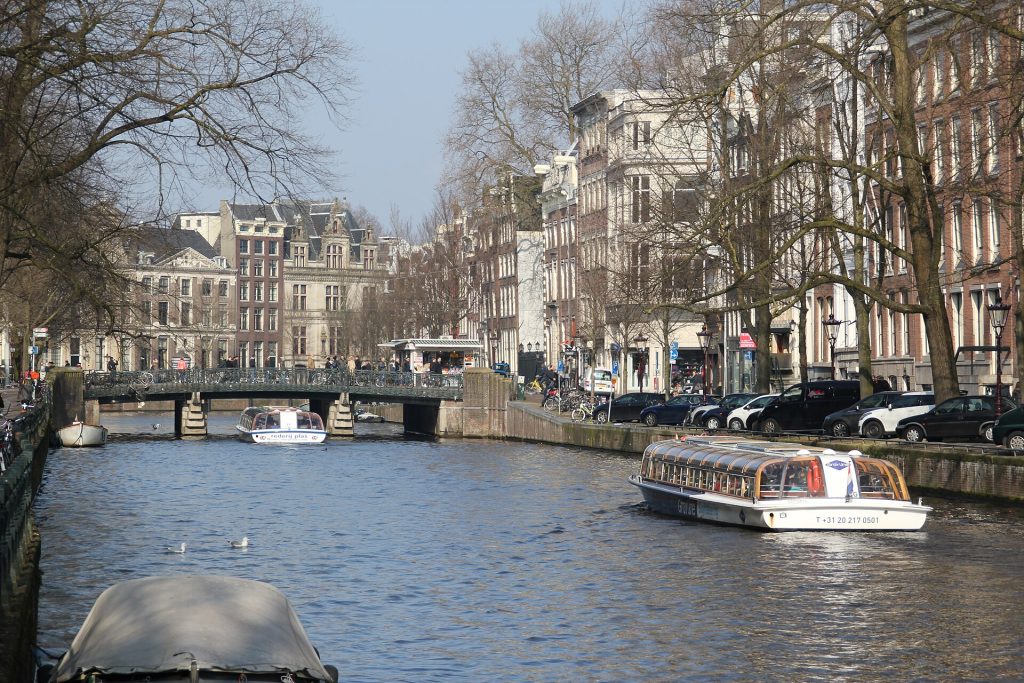
Walk a manageable section of Herengracht, Keizersgracht or Prinsengracht, using side streets and bridges to vary the perspective. Notice the changing widths, gables, entrances and relationship between houses and water. The canals were part of an urban and commercial system, not simply an ornamental backdrop.
For photographs, stop where there is room and keep bridge crossings clear. Many canal-side spaces are residential, with front doors opening straight onto narrow pavements. Avoid blocking entrances or treating a houseboat’s windows as an exhibition.
A canal cruise provides a different view and can help you understand the layout early in the trip. Compare boat type, commentary, boarding point and accessibility before buying. Our guide to planning a canal cruise explains how to choose an outing that suits you rather than simply the nearest departure.
Rijksmuseum: build the visit around your interests
The Rijksmuseum rewards a substantial visit, with painting, decorative arts and objects that help explain Dutch history and its wider connections. Select a few periods or themes rather than assuming the best-known paintings constitute the whole collection.
Book the appropriate entry and start time through the official museum website. Check current arrangements for any passes or concessions you intend to use. A pass covering admission does not necessarily remove the need to reserve.
Leave a break afterwards before another major collection. Museumplein puts several institutions nearby, but proximity does not make two long museum visits easy to absorb in one day. One focused collection followed by lunch and a neighbourhood walk can provide a better balance.
Van Gogh and other cultural choices
The Van Gogh Museum is a natural priority for travellers interested in the artist’s work and development. Check the museum’s official booking arrangements well before your dates, especially if it is essential to the trip. Do not organise the rest of the itinerary around an assumed last-minute ticket.
Modern and contemporary art provide other options around Museumplein and elsewhere in the city. Choose according to the current exhibition and your interests, not only the institution’s reputation. A smaller collection or specialist museum can be more rewarding than an expensive visit chosen merely because it is famous.
If different members of the group prefer different subjects, agree on a meeting point and lunch time. You do not all need to attend the same museum to share a satisfying day in the same part of the city.
Anne Frank House: a visit to plan carefully
The Anne Frank House provides a serious encounter with persecution, hiding and the lives behind a widely read diary. Give it time and emotional space, rather than placing it between light-hearted activities with no pause.
Tickets are sold through the official Anne Frank House website for a specified visit time. Check the release arrangements and availability there. A commercial walking tour using Anne Frank’s name does not automatically include admission to the house.
Read the access information before booking. The historic setting includes physical constraints that matter for some visitors. If tickets are unavailable or the route is unsuitable, explore other historical and educational options rather than buying from an unverified seller in the hope of gaining entry.
Jordaan: leave time for ordinary streets
The Jordaan suits a slower walk through smaller streets, canal edges, shops and places to eat. It works well around a western-canal day, with enough flexibility to stop when a café or shop interests you.
Local markets can add another reason to visit, but their days and hours should be checked. Do not expect every square to host the scene shown in a weekend photograph. A quieter weekday can be equally enjoyable for architecture and browsing.
Choose a limited area rather than trying to cover every appealing lane. The neighbourhood’s value is in how the streets fit together and how you spend time there, not in collecting a list of supposedly secret corners. Residents’ courtyards and doorsteps remain private where indicated.
De Pijp and a different daily rhythm
De Pijp offers cafés, restaurants, residential streets and the Albert Cuyp market area. It makes a useful contrast with the canal belt and a practical extension to a Museumplein day.
Check market trading arrangements if food shopping is important, and arrive with an idea of whether you want a snack, picnic supplies or a sit-down lunch elsewhere. Buying a little from several stalls can become a surprisingly expensive meal, so keep appetite and budget in view.
Sarphatipark provides a smaller green break within the neighbourhood. For a longer park outing, Vondelpark may fit better with your route. Neither needs to be added to the day simply to tick off another green space; choose the one that gives you a useful place to rest.
Food beyond the familiar snacks
Dutch cheeses, herring preparations and stroopwafels can be enjoyable parts of the trip, but they are not the whole food scene. Indonesian and Surinamese cooking, among other traditions, reflect the city’s wider history and population.
Read menus and ask questions about portions, spice levels and ingredients. A rijsttafel can be a substantial meal, so compare what is included and whether it fits your group’s appetite. For simpler meals, neighbourhood bakeries, cafés and food shops can keep the day flexible.
Reserve a particular restaurant when it matters, leaving other meals open. Paying for a canal view can be worthwhile, but check whether the menu and seating suit you too. A less prominent street may offer a more comfortable meal than the first crowded terrace beside a major sight.
Cycling, trams and arriving from the airport
Cycling is part of everyday transport, and visitors on foot need to distinguish cycle lanes from pavements. Look both ways before stepping across them and do not stop in a cycle route to check your phone. Trams also require attention at crossings and shared spaces.
You do not need to rent a bicycle to enjoy Amsterdam. If you do, make sure you are comfortable with busy urban cycling, local rules and the route you plan to take. A quiet practice ride is a better start than immediately joining the most crowded central streets.
Trams, metro and buses can reduce longer journeys. Check the validity of the ticket or pass for the operator and route you use. Airport rail and regional day trips require particular attention; an urban transport product should not be assumed to include every train.
From Schiphol, compare the complete journey to your accommodation rather than assuming Centraal is always the best interchange. Keep train and local transport instructions available and allow time for the final walk with bags.
Where to stay
The canal belt suits visitors who value a central historic setting, but room access, street noise and prices vary considerably. Canal houses can involve steep stairs and compact rooms. Ask about the actual floor and lift access before booking.
The Jordaan appeals for smaller streets and a neighbourhood atmosphere, while De Pijp suits travellers who want a food-led routine near the museum district. None guarantees silence, so investigate the immediate frontage and room orientation.
Compare the options in where to stay in Amsterdam. A useful base should support your repeated journeys, not simply put water outside the window. Confirm luggage storage and arrival arrangements if your trip begins before check-in or ends well after checkout.
Timing and trips beyond the city
If you are coming for a particular exhibition, concert or seasonal display, establish that booking before choosing the rest of the programme. Availability and operating dates can shape the trip more than the month alone. Tulip-related excursions, for example, require their own season and transport planning; they are not part of every Amsterdam visit. Likewise, an evening event should be matched with a practical route home. One carefully chosen special experience can give the visit a focus without turning every day into a series of prepaid commitments.
Spring is popular, but weather and seasonal events vary; summer brings long days and strong demand. Autumn and winter can suit a museum-focused break, with shorter daylight and a greater need for flexible outdoor plans. Carry a weatherproof layer and choose boat conditions appropriate to the forecast.
For three days, follow our culture and neighbourhood itinerary. If you have longer, choose one contrasting excursion: Haarlem for a compact historic city, Utrecht for another canal setting, or Zaanse Schans for windmills and industrial heritage. Our day-trip comparison helps match the choice to your interests.
Keep your final day practical around luggage and departure. An extra museum or distant outing is only a good addition when it leaves enough time to reach the station or airport comfortably. Amsterdam offers plenty to do, but the trip improves when there is room to enjoy the things you choose.