Amsterdam’s canal belt, Jordaan and De Pijp all suit a first visit, but they create different daily routines. The canal belt prioritises historic setting, the Jordaan offers smaller neighbourhood streets, and De Pijp puts food and the museum district within reach. Choose by your likely journeys and the room itself, not simply a photograph of water outside the window.
Compare the areas
| Area | Best for | Main benefit | Check carefully |
|---|---|---|---|
| Canal belt | Historic atmosphere, central walking | Canal scenery and broad sightseeing access | Exact canal, stairs and nightlife nearby |
| Jordaan | Couples, cafés, slower stays | Smaller streets and local shopping | Distance to your most-used transport stop |
| De Pijp | Food, longer stays, Museumplein visits | Everyday dining and neighbourhood amenities | Market activity, traffic and room orientation |
The canal belt surrounds several different parts of the centre, while the Jordaan overlaps naturally with western-canal walks. These labels are useful for orientation, but they are not sharply separated hotel zones.
Canal belt: decide which part serves the trip
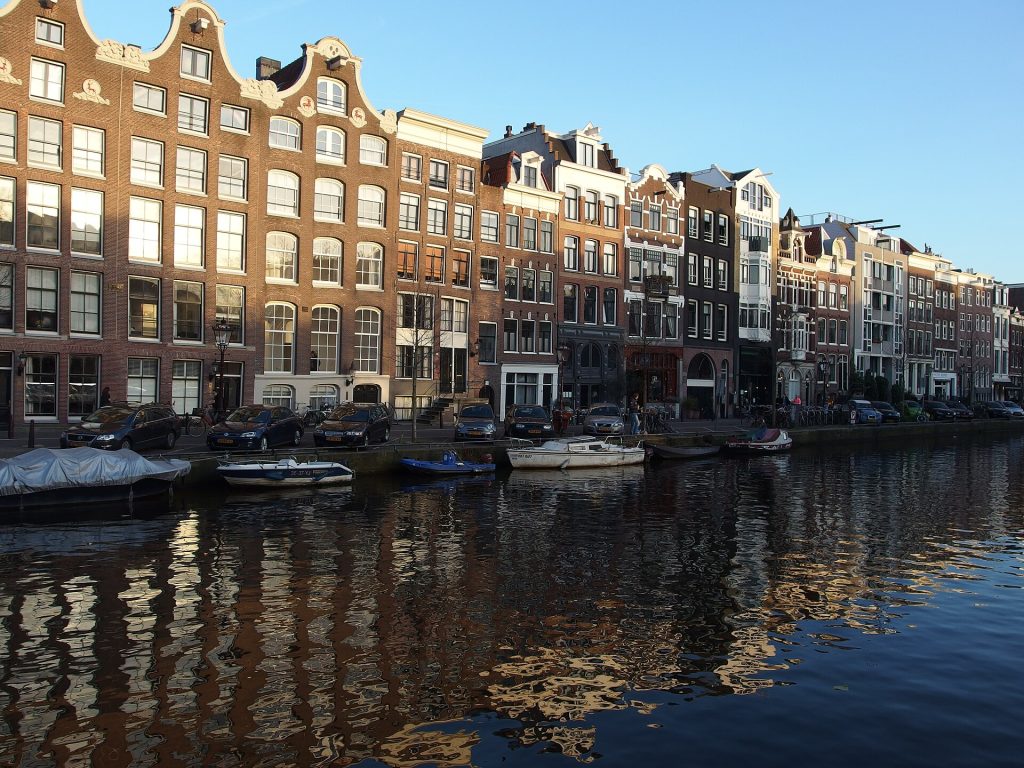
Staying beside a canal can make mornings and evenings feel closely connected with the city. It works particularly well when you enjoy walking between central sights and returning to the room for a rest.
Look at the particular stretch. An address convenient for the western canals gives a different routine from one closer to the southern museum area or a busy entertainment square. Plot your two most important reservations and the station you will use before paying a central premium.
Historic canal houses can have steep staircases, narrow lifts or no lift. Ask about the actual floor, entrance steps and route to the bedroom. If mobility or heavy luggage is a concern, a clear access description should come before the view.
Canal-facing does not always mean quiet. Boats, road traffic, bars and people crossing bridges can affect sleep. An interior room may reduce that noise while receiving less light. Compare the specific category rather than relying on the property’s best exterior photograph.
Jordaan: build the stay around neighbourhood streets
The Jordaan suits travellers who like independent shops, cafés and the ability to wander without a fixed attraction at every turn. It can be especially appealing on a longer stay when familiar breakfast and dinner options become part of the pleasure.
Its position works well for western-canal exploration and a planned Anne Frank House visit. It is less automatically convenient for every Museumplein or De Pijp journey, so inspect the available tram or walking route from the address.
Market squares and restaurant streets can be lively, while residential lanes have their own delivery and access patterns. Ask about the room’s surroundings on the days you will stay. A market that adds atmosphere in the morning can also mean early activity outside the window.
For apartments, confirm that photographs show the actual unit and inspect the bed arrangements. A charming small space may work for a couple but become uncomfortable when a sofa bed fills the only living area.
De Pijp: choose it for food and everyday convenience
De Pijp is useful when meals, cafés and time near Museumplein are major parts of the itinerary. The Albert Cuyp market area adds activity on trading days, while surrounding streets offer a broader range of everyday shopping and dining.
It suits travellers happy to use public transport for some central visits rather than staying in the most historic canal setting. A location near a useful metro or tram stop can make that trade-off straightforward, but the neighbourhood is not one single transport point.
Check the immediate street for market noise, restaurant activity and traffic. Families should compare actual sleeping space, cooking equipment and nearby green space rather than assuming a residential district automatically meets every need.
If your trip is mainly concentrated around the northern centre and station, compare the extra daily journeys with the saving on accommodation. De Pijp offers real reasons to stay, but a slightly lower rate is not the only one worth considering.
Room details that change the value
For a one-night stay, the arrival route and bag storage may matter more than a kitchen. Over a week, laundry, seating and nearby food shops become more valuable. Compare those practical benefits with your intended meals and journeys rather than paying for facilities because they appear in a long list of amenities.
Check ventilation and cooling for warm-weather stays, heating control in colder months and whether windows face a busy route. For any historic property, confirm the full pavement-to-room access, including steps before a lift.
Luggage storage is particularly useful when arrival and departure do not align with check-in. Apartments may offer less flexibility than staffed hotels, so ask before planning a full final day.
Use the Amsterdam travel guide to select priorities, then compare the room with your real itinerary. A comfortable base with a useful route to museums, meals and transport will contribute more than a prestigious address that makes everyday movement awkward.