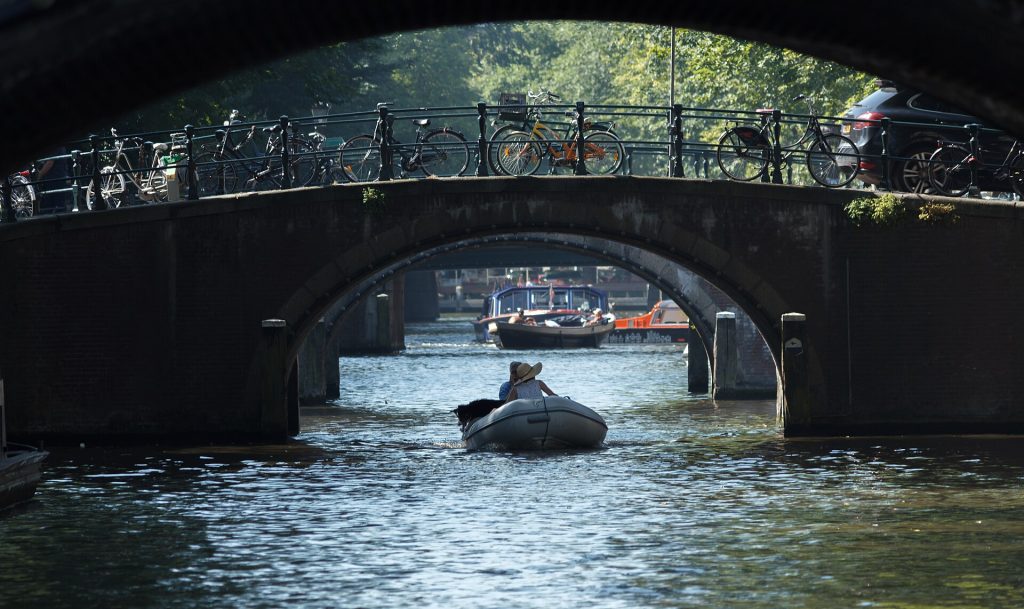
A canal cruise is useful when you want to understand Amsterdam’s layout and see its buildings from the water. Choosing well matters more than booking the first departure you pass. Boat design, commentary, boarding access and the weather can change the experience more than a small difference in the route.
Decide what kind of outing you want
A standard sightseeing cruise suits a first introduction, with a defined route and commentary. A smaller guided boat may provide more conversation, while a meal or drinks cruise places more emphasis on the onboard experience.
Compare the actual format. A live guide, recorded commentary and a multilingual audio system are different products. Check the available language and whether you need your own headphones. Food or drinks can be appealing, but inspect quantities, dietary arrangements and what is included before paying extra.
Do not assume every cruise enters the same canals or passes directly beside every famous building. Waterway conditions, traffic and operating restrictions can affect the route.
Choose a boat for the forecast
An open boat gives a more immediate outdoor experience in suitable weather. It also exposes you to wind, rain and sun, so check whether cover is available and bring a layer even when the pavement feels warm.
An enclosed boat can be more comfortable in colder conditions. Look at seating, windows and ventilation rather than assuming every enclosed vessel offers the same view. Reflections through glass may matter if photography is your main interest.
Read the cancellation or rescheduling policy for poor weather. Rain does not automatically mean a sailing is cancelled, and a ticket may have restrictions you would prefer to know before booking.
Check boarding and accessibility
Confirm the exact departure address and whether the trip returns to the same place. Operators use different jetties, sometimes within the same general area. A ticket-office address may not be the boarding point.
For mobility needs, ask about the specific vessel and departure. Steps, narrow entrances, low headroom and toilet access vary. Do not treat a general accessibility label as confirmation that every sailing can accommodate your requirements.
Families should check child tickets, seating and whether a pushchair can be taken aboard or stored. If a child is likely to need a toilet during the trip, establish what facilities are actually available.
Compare the total cost and commitment
Look at the complete group price and any extras. A cruise included in a city card may have a particular operator, reservation process or time allowance, so inspect the conditions rather than assuming you can join any boat.
Check the stated duration alongside the boarding time and your next appointment. Leave room for walking from the jetty, disembarking and a short delay. A cruise should give you a rest from scheduling pressure, not create a race to another reservation.
Put it in the right part of the visit
If travelling with friends who mainly want drinks and conversation, choose a format designed for that purpose rather than talking over a guided historical commentary. A clear match between the group and the cruise style improves the experience for everyone aboard.
An early-trip cruise can help you orient yourself; a later one lets you recognise places already explored on foot. Choose daylight if architectural detail matters most, or an evening sailing if atmosphere is the priority, bearing in mind the season’s daylight hours.
Our three-day Amsterdam itinerary pairs a cruise with a flexible afternoon. Keep that space open and use the views as an introduction to streets you might explore later, rather than expecting the boat to replace time in the neighbourhoods.