Vienna’s palaces and grand avenues can dominate a first impression, but the city becomes more enjoyable when you leave time for its smaller routines: a coffeehouse table, a neighbourhood market and an evening chosen for the music rather than the marketing. Three full days provide room for an imperial introduction, an art collection and a different district beyond the historic centre.
The practical challenge is selection. Schönbrunn, the Hofburg and the Belvedere are not interchangeable palace stops, and visiting all their interiors in quick succession can be tiring. Choose according to what interests you, then use cafés, gardens and public transport to give the day a comfortable rhythm.
Understand the centre and its edges
The Innere Stadt, Vienna’s first district, contains the cathedral, many historic streets and the Hofburg complex. The Ringstraße follows the broad line of the former city fortifications around much of it, connecting monumental buildings and parks.
Beyond the Ring, neighbourhoods bring different settings. Neubau combines independent shops and cultural life near the MuseumsQuartier; Leopoldstadt lies across the Danube Canal, with residential streets and access towards the Prater. Schönbrunn sits away from the central sightseeing cluster and deserves its own journey.
Walking works well within a chosen area. The U-Bahn and trams help you connect those areas without using all your energy on the spaces between them. Plan a palace, collection or district as the day’s main focus rather than treating every famous name as a nearby addition.
Begin around St Stephen’s and the historic streets
St Stephen’s Cathedral provides a useful orientation point. Explore the surrounding streets before branching towards quieter lanes, squares and the Hofburg side of the centre. Notice the contrast between busy shopping routes and the smaller spaces just beyond them.
Decide which cathedral experiences interest you and check their individual access and admission arrangements. Entering a worship space, taking a guided tour and climbing a tower can involve different rules and physical demands. Do not assume a visit means doing all of them.
Leave space for an early coffee or lunch instead of joining queues at every opportunity. The centre is best understood at walking speed, with time to look up at façades and stop somewhere that catches your attention.
Hofburg: choose the part you want to understand
The Hofburg is a large complex associated with Habsburg rule and later Austrian public life. Different museums, collections and visitor experiences occupy it, so a booking for one does not necessarily mean access to everything you see on a map.
Travellers interested in imperial domestic life can choose the relevant apartment and Sisi-related visit; others may prefer a library, treasury or another collection. Check the operator’s current information and follow the exact product description rather than relying on the general label Hofburg ticket.
Give the visit room in the schedule. A substantial interior followed by a walk through nearby central streets usually provides more value than several rushed palace tours. If an equestrian performance interests you, investigate its separate programme and conditions well ahead of the trip.
Schönbrunn: palace and landscape as one outing
Schönbrunn works best as a half-day or longer, depending on the interiors and grounds you choose. Book an appropriate palace entry through the official visitor information and check what the selected tour includes.
The park provides a different pace after the interior rooms, but its size and gradients matter. The walk towards the Gloriette is an uphill activity, not simply a few steps beyond the palace. Choose a shorter garden circuit if that suits your group better.
General park access and special attractions have different admission arrangements. A palace ticket should not be assumed to cover every garden feature, terrace or family activity. Check seasonal opening too, particularly if visiting outside the warmer months.
Bring water and footwear suited to both indoor standing and outdoor paths. Avoid booking another major palace immediately after returning to the centre; lunch and a coffeehouse can be a more welcome continuation.
Belvedere and the art decision
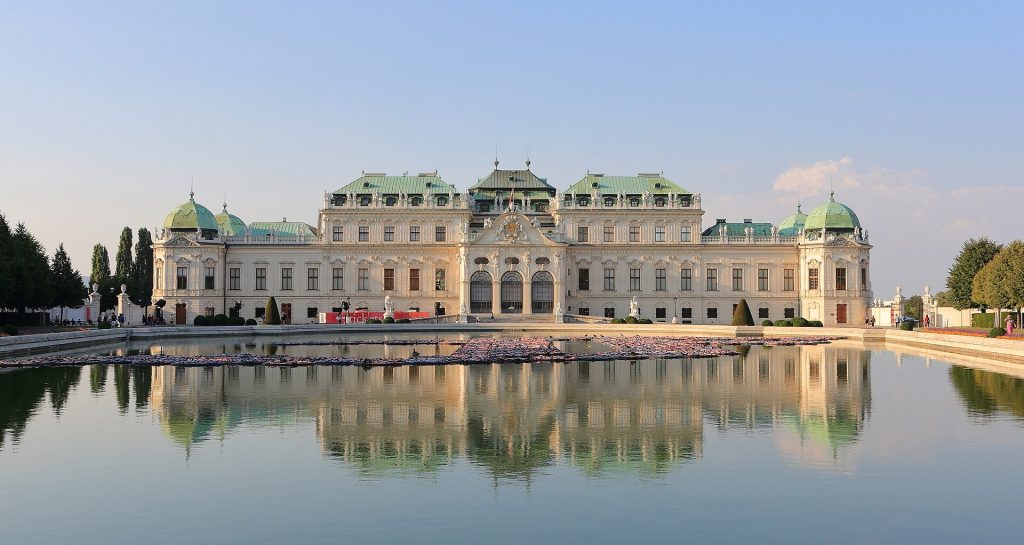
The Belvedere combines palace architecture, gardens and major art collections. It is a strong choice when painting is central to the visit, but inspect the specific building, exhibition and ticket you want. The complex contains distinct visitor spaces.
For a different art day, the Kunsthistorisches Museum offers substantial historical collections, while the MuseumsQuartier brings several cultural institutions into one wider area. The Albertina provides another central option, with its own programme and collections.
Choose one principal museum according to the work you want to see. Famous names may draw you in, but temporary displays and individual galleries can shape the actual experience. Check current exhibitions before paying for a visit based entirely on an image you remember from a guidebook.
The Ringstraße: a route, not a single attraction
The Ring links major buildings including the State Opera, Parliament, City Hall and museum façades. You can walk selected sections or use ordinary public transport to connect places that interest you.
It is not necessary to complete an entire circuit to appreciate the urban plan. Pick a stretch with a useful beginning and end, leaving time to cross safely and look at the buildings. Tram routes and works can change, so check the current network rather than assuming one vehicle always completes the sightseeing loop you imagined.
Parks along or near the centre offer breaks between monumental streets. A bench and a slower afternoon can help you appreciate the architecture more than another hour of continuous walking.
Coffeehouse culture: make time to sit
A traditional Viennese coffeehouse is a place to spend time, not only to collect a takeaway drink. The setting, table service and rhythm can be as important as the coffee. Choose one meal or afternoon pause that allows you to enjoy that pace without watching the clock.
Order from the menu rather than expecting international coffee names to map perfectly onto local terms. A Melange commonly combines coffee with milk and foam; preparations and serving styles vary. If you want a particular strength or milk alternative, ask.
Cake can be part of the experience, but you do not need to compare every famous version in one trip. A less celebrated café with a comfortable table may suit you better than a long queue outside a name you recognise. Our coffeehouse and market guide explains how to choose.
Markets and food beyond imperial Vienna
Naschmarkt provides food shopping and a broad range of places to eat near the southern side of the centre. Market stalls and restaurants follow different rhythms, so check the part you want to visit rather than treating the whole area as one business with one schedule.
For another neighbourhood setting, consider Brunnenmarkt and Yppenplatz in Ottakring. They deserve a deliberate outing for food and street life rather than a hurried detour between central museums.
Traditional dishes include Wiener Schnitzel, associated with veal, and Tafelspitz, a boiled-beef preparation with accompaniments. Menus may also offer pork schnitzel and other variations, so read the wording before ordering. Vegetarian diners can find choices across the city, but should ask about stocks, fillings and sauces when choosing traditional food.
Music: choose the programme first
Vienna offers opera, orchestral concerts, chamber music and a much wider live-music scene. Decide what you would enjoy hearing, then compare the venue, performers, programme and seat view.
A concert promoted to visitors is not automatically poor value, but elaborate historical styling is not a substitute for a programme you like. Read the details before buying from a street seller or a third-party listing. If an important performance is the reason for the trip, secure it before arranging the remaining days.
Allow a simple meal and enough travel time beforehand. Check dress guidance and admission conditions with the venue rather than relying on a general idea that every Viennese concert requires formal evening wear. Keep the following morning realistic after a late performance.
Where to stay
The Innere Stadt suits a short first visit centred on historic streets, with a price premium and room differences to assess. Leopoldstadt can work well for a more residential base near useful transport, while Neubau appeals to travellers who want cafés, shops and museums as part of their local routine.
Compare actual addresses in where to stay in Vienna. A district name does not establish walking distance, quiet or step-free access. Check the nearest useful station and the complete approach with luggage.
For summer, confirm cooling; for apartments, inspect sleeping spaces and arrival support. A central view is less useful if the room does not support comfortable rest between visits.
Public transport and the airport boundary
The U-Bahn, trams and buses cover much of what a first visit needs. Choose tickets by the journeys and dates you will actually use, following validation or activation instructions. Keep the valid ticket available throughout travel, even where there are no barriers.
Vienna Airport lies outside the core city zone. A city ticket alone should not be assumed to cover the full airport journey, and dedicated airport services have their own products. Our tram and U-Bahn guide explains the main distinctions.
A car is generally unnecessary for central sightseeing. If you arrive on a wider road trip, arrange parking in advance and use public transport for the stay.
Seasons and a balanced first visit
Spring and autumn often suit city walking; summer can make shaded breaks and cooling important. Winter brings shorter daylight and seasonal events, with dates and opening arrangements to check rather than assume.
Use the three-day Vienna itinerary to connect a central day, Schönbrunn and an art-and-neighbourhood day. Add time if several major collections or performances are essential. The city becomes more rewarding when you leave room to sit, listen and look rather than moving continuously between grand buildings.