Vienna’s coffeehouses and food markets offer different ways to spend time in the city. A coffeehouse encourages you to sit and stay; a market reveals ingredients, everyday shopping and changing neighbourhood food habits. Give each its own place in the itinerary instead of expecting one famous café or market lunch to explain all Viennese eating.
What coffeehouse culture means in practice
The traditional coffeehouse is associated with table service, newspapers, conversation and time spent in a particular room. The atmosphere can matter as much as the drink, which is why a hurried stop between two tightly scheduled museums may miss much of the appeal.
Choose a time when you can sit comfortably. A newspaper, a conversation or simply looking around belongs naturally to the visit. That does not mean every café has the same service style, payment arrangements or expectations, so take your cues from the room and menu.
Not every modern coffee shop follows the traditional model. Both can be enjoyable, but decide whether you want a historical setting, a particular style of coffee or a practical breakfast. You do not need one venue to do everything.
Order what you actually want
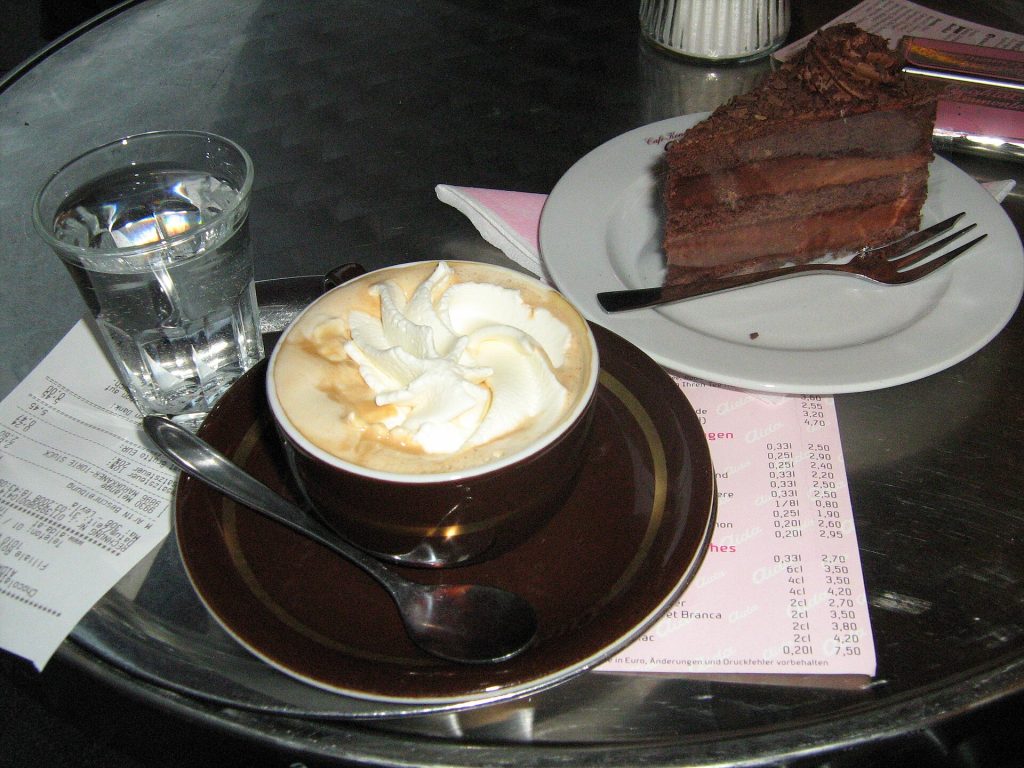
Viennese menus use local coffee terms that do not map perfectly onto every international café menu. A Melange commonly involves coffee, milk and foam, while other preparations offer different strengths and proportions. Ask for clarification if the distinction matters to you.
Check milk alternatives, decaffeinated options and any extras before ordering. A cake slice can turn the stop into a substantial pause, so choose by appetite rather than assuming every visit must include several desserts.
If you want a particular famous cake, decide whether the venue or the recipe matters most. A long queue may be worthwhile for one traveller and a poor use of time for another. A nearby café with available seating can provide a more relaxed introduction to the culture.
Compare atmosphere and practical comfort
Historic interiors can attract heavy demand. Read current booking arrangements and consider a quieter time if the café is essential to your plans. Do not assume every coffeehouse accepts reservations or serves a full menu throughout the day.
Travellers with mobility needs should check the entrance and toilets, particularly in older buildings. Families may prefer space and a straightforward menu over the most formal room. Solo visitors can enjoy the setting without needing to turn the stop into a special occasion.
Look at the bill and service arrangements before deciding how to tip. Treat staff with the same patience you would want in any busy restaurant, rather than interpreting a different service rhythm as part of a performance staged for visitors.
Naschmarkt: shopping and eating are different visits
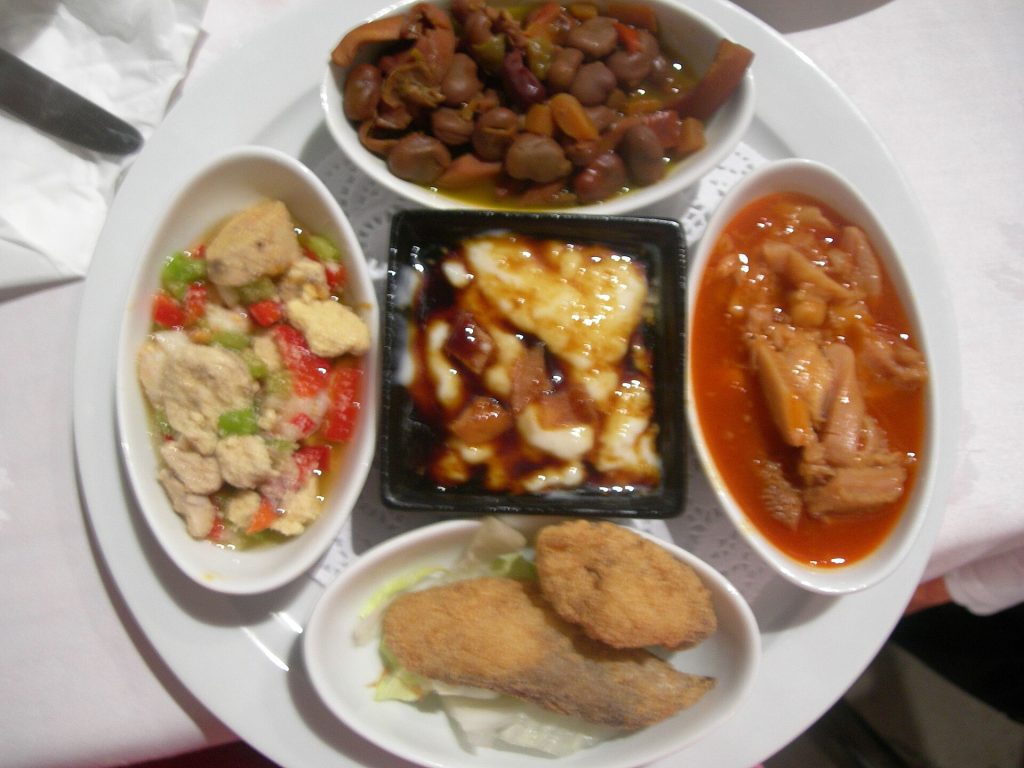
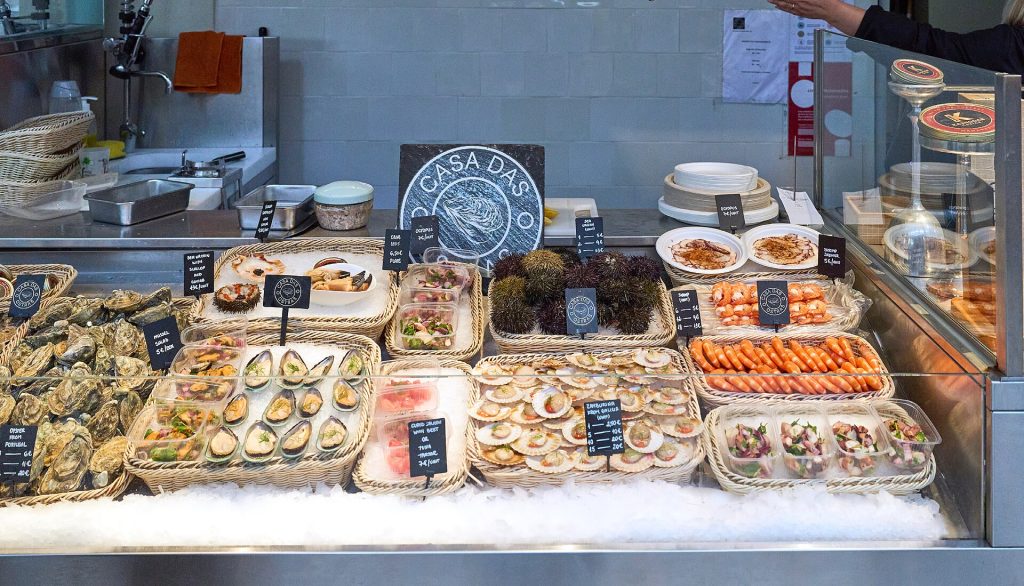
Naschmarkt combines food stalls and a wide range of places to eat. Choose whether you want ingredients, small tastings or a seated meal before arriving hungry and expecting every counter to operate like a restaurant.
Check the city’s official market information for current trading arrangements. Stall activity and restaurant opening differ, and a day when restaurants trade may not offer the full food-shopping experience.
Make a first circuit before buying. Ask how products are priced, especially by weight, and choose quantities you can use. A series of small purchases can cost more than a simple lunch, while perishable food needs suitable storage if you still have hours of sightseeing ahead.
The market sits conveniently for a walk around the nearby Secession and Wienzeile architecture, if those interest you. Give that combination a manageable block rather than adding it after a full palace day.
Brunnenmarkt and Yppenplatz: a neighbourhood outing
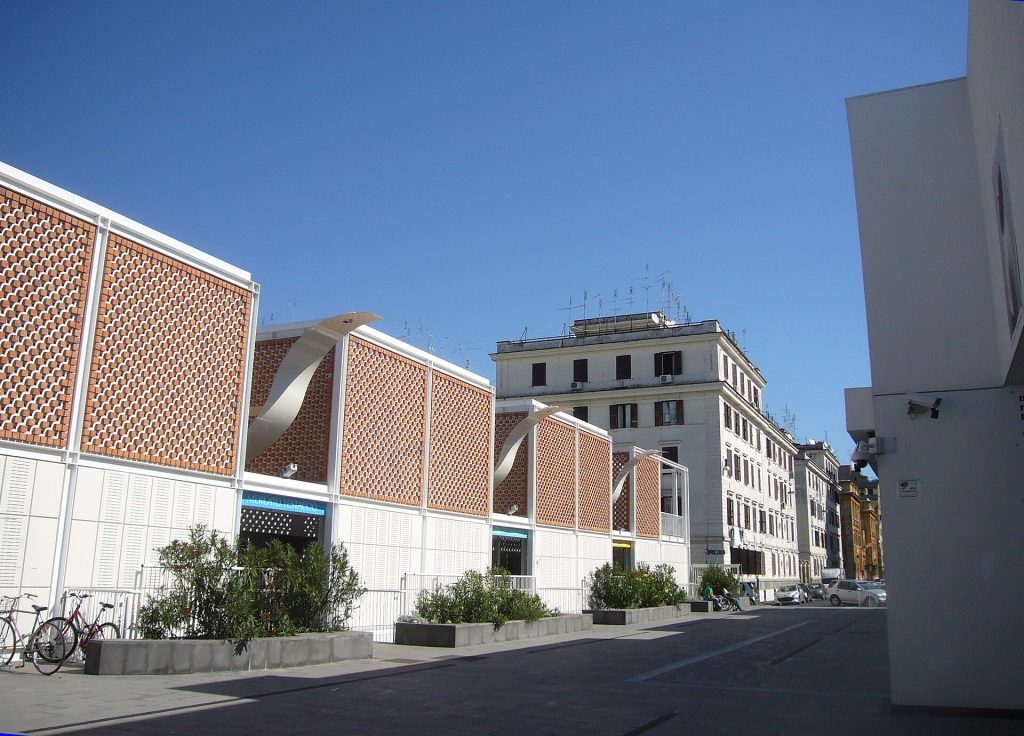
Brunnenmarkt and the adjoining Yppenplatz area provide another food setting in Ottakring. The appeal includes everyday produce shopping and the surrounding places to eat, with different cultural influences visible in ingredients and menus.
Use the official visitor overview to orient yourself, then check the particular businesses that matter to you. A square’s cafés and the market stalls do not share one universal schedule.
Choose this area for a slower lunch and neighbourhood walk. It is a separate outing from the central imperial sights, so allow time for transport rather than expecting it to be beside whichever museum you visited that morning.
Balance the food day
Pair a substantial café stop with a lighter lunch, or save cake for an afternoon after market browsing. Ask about ingredients and portion sizes, especially when dietary requirements make traditional recipes less straightforward.
Our three-day Vienna itinerary leaves room for both cultural visits and time at the table. One coffeehouse you can enjoy without watching the clock and one market explored with curiosity are enough for a rewarding introduction.