Venice is most rewarding when you stop treating it as a route between San Marco and a departure point. The major monuments deserve attention, but canals, ordinary campi and neighbourhood streets make sense only when you leave time to walk without another urgent reservation. Stay overnight if possible and choose a base with an arrival route you can manage with luggage.
Two full days gives a selective introduction to the historic city. Three or four allows an island outing and a slower neighbourhood rhythm. A day trip can still be meaningful, but it requires choosing fewer sights rather than expecting a compact map to remove the time spent on bridges, boats and queues.
Understand how the city works
Venice’s historic centre is organised around pedestrian streets, canals and bridges. Land vehicles stop at the transport gateways rather than continuing to a hotel entrance beside every canal. Your arrival therefore needs a final walking or water-transport stage.
Santa Lucia station, Piazzale Roma and San Marco are different points, not interchangeable names for the same central arrival. Check the actual destination and approach before choosing accommodation or a transfer.
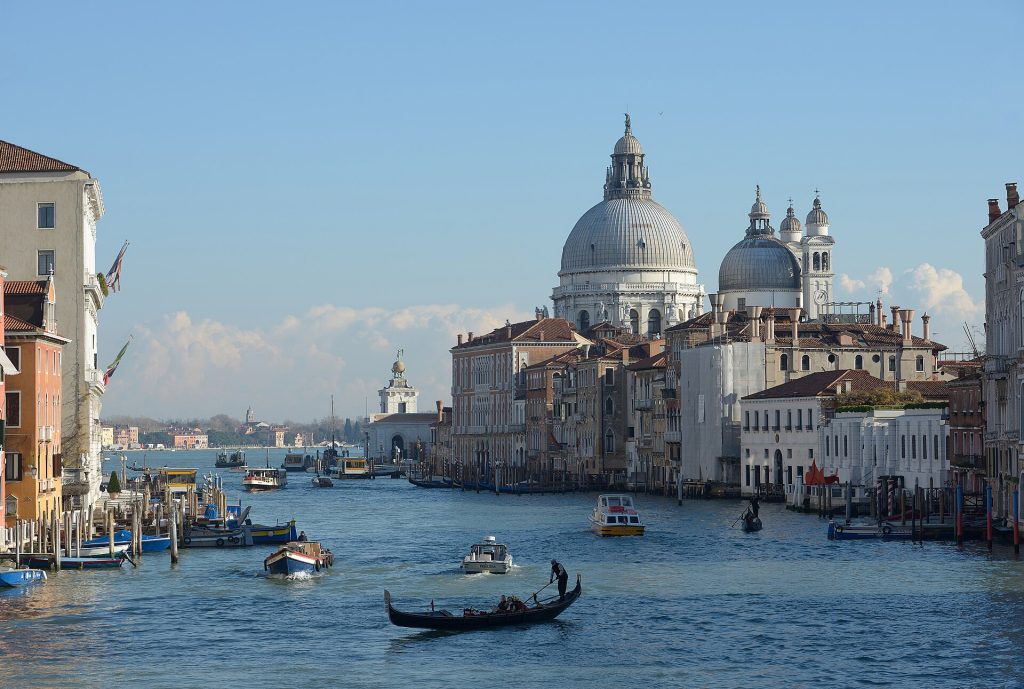
The Grand Canal provides a useful visual reference, but a straight line across it is not always a direct walking route. Bridges and available boat connections determine the practical journey. Give the map enough attention to understand those crossings before heading off with cases.
San Marco: choose the visits, not just the square
Basilica and surrounding setting
Piazza San Marco and the basilica form the obvious first-visit anchor. Spend time looking at the architecture and the relationship between buildings rather than making the square only a photographic checkpoint.
The basilica has its own current admission products, dress expectations and arrangements. Check the precise spaces included before booking, especially if considering additional areas or specialist access. A similarly named ticket from another seller may not cover the same experience.
Plan for crowds without assuming the visit must be uncomfortable. An early or later route can change the atmosphere, but no published hour guarantees an empty square. Choose a time that works with your other commitments rather than chasing a promise of solitude.
Doge’s Palace as a substantial visit
The Doge’s Palace deserves a proper block if its rooms, government history and architecture interest you. It is not a small addition to an already full morning simply because it stands near the basilica.
Compare the actual product and current access, including whether a specialist route is separate. Give the visit enough attention, then leave time to eat before another long period on foot.
If you choose both major interiors, let them be the day’s principal programme. The rest of Venice will not disappear because you leave another museum for a future trip.
Rialto and the Grand Canal
Rialto provides another familiar reference point, with the bridge and surrounding market interests contributing different experiences. A market visit needs to match actual trading arrangements rather than an evening walk through the same area.
Keep bridge routes clear when stopping for views. The crossing is an everyday path as well as a place visitors want to photograph, and large groups can obstruct it quickly.
A public boat ride on the Grand Canal can provide orientation and a different perspective, but it is still transport shared with residents and other travellers. Choose the route and ticket that fit your journey, keep luggage manageable and follow boarding instructions.
A gondola ride is a separate visitor experience rather than a substitute for ordinary public transport. Compare the conditions and duration before choosing, and do not assume every canal journey offers the same format.
Cannaregio: give a neighbourhood time
Cannaregio is worth exploring beyond its usefulness as an accommodation area. Choose a limited walk among canals, campi and streets, leaving time for a café or meal rather than continually moving towards the next famous landmark.
The district is not uniformly quiet, and its residential character deserves consideration. Keep voices down near homes, avoid blocking entrances and do not follow private passages because they appear to offer a less crowded photograph.
If its history interests you, choose a specific cultural visit and check current arrangements. A neighbourhood walk becomes richer with context, but it need not be presented as a search for a secret Venice that excludes other visitors.
Dorsoduro and the southern side
Dorsoduro offers another useful setting for a slower walk, cultural interests and time beside more open water. Choose the collection or church that matters to you, then let the surrounding streets and waterfront provide the flexible interval.
An area can feel different from San Marco without being undiscovered. Expect ordinary daily life and other visitors, and judge the experience by what you enjoy rather than the absence of people.
Our neighbourhood walks and bacari guide provides ways to pair a local circuit with food. A few blocks explored attentively can be more rewarding than a long loop followed purely to colour in another district on the map.
Islands: choose one main purpose
Murano, Burano and other lagoon islands create different outings. Glass-related visits, colourful streets, cultural interiors and quieter landscapes should be chosen according to interest, not treated as identical stops in one compulsory boat circuit.
Transport and waiting take time. Check the actual route and return before booking another admission later in the day. Visiting several islands briefly is a different choice from enjoying one or two with a meal and room to walk.
On Murano, compare the nature of a workshop or demonstration and any associated sales expectations. On Burano, appreciate the setting while respecting homes and ordinary access. A recognisable façade is not an invitation to enter a doorway or arrange furniture for a photograph.
For a two-day first visit, an island day may displace substantial time in the historic city. Add a third day where possible rather than pretending the same central programme still fits unchanged.
Food and bacari
Small food stops can give a walking day a useful rhythm. Bacari and cicchetti offer one format, while a seated meal provides another. Choose according to appetite, seating needs and how much standing the group has already done.
Look at the actual selection, prices and ordering arrangements before settling in. A short counter stop is not automatically the easiest option with tired children or limited mobility, and moving between several venues should improve the evening rather than become a rule.
Read restaurant menus and clarify any separately charged items. Reserve a meal that matters, but keep other stops near the route instead of crossing the city for an ordinary recommendation. Bridges and wrong turns make those repeated journeys longer than they first appear.
Local etiquette is part of practical travel
Keep walking routes and bridge steps clear, especially when stopping to read a map or take photographs. Move to a suitable space rather than making a narrow lane carry the whole group while others wait.
Respect posted rules about sitting, eating, swimming and behaviour around monuments and canals. Venice’s public spaces are also workplaces, school routes and the way residents get home.
Travel with manageable luggage and avoid unnecessary noise late in residential streets. Consider whether your accommodation allows a shorter final walk from transport rather than rolling large cases across numerous bridges at an awkward hour.
These are practical courtesies, not a demand to avoid every popular place. You can enjoy the famous sights while remaining aware that the city is used by people for whom the route is ordinary daily life.
Where to stay: island or mainland?
Staying within the historic city lets you experience earlier and later hours without another mainland transfer. San Marco suits a landmark-focused base, while Cannaregio provides another setting that can fit station-side arrivals or neighbourhood interests, depending on the address.
Mestre can offer a different room-and-price comparison, but it introduces repeated journeys into Venice. A room near the right connection is a different proposition from one merely described as Mestre somewhere in the wider urban area.
Our Venice accommodation comparison explains the trade-offs. Check bridges, stairs and the actual entrance before choosing: a short map distance from a boat stop may still require carrying bags over several crossings.
Airport arrival and public transport
Marco Polo Airport can connect with Venice by land-based bus options or airport water services, with different city stops. Choose according to the room’s approach rather than assuming the boat is always more direct or the bus always cheaper overall.
Our airport boat-or-bus guide compares the complete journey. Public transport, airport boats and private water taxis are different products, so check which service and fare you are buying.
For city boat travel, compare individual journeys with a pass only after sketching likely trips. Walking days may require fewer paid rides than expected, while an island outing can change the calculation.
Access arrangements and the season
Venice can apply visitor access arrangements on specified dates, with rules that differ from accommodation tourist tax and transport tickets. Check the official access-fee portal for your dates and any relevant exemption procedure rather than assuming a past calendar continues unchanged.
Weather, water levels and crowds can also affect the route. Follow local guidance and choose a smaller plan when conditions make bridges or exposed walks less comfortable.
Our two-day Venice itinerary keeps the central programme selective. Leave enough unbooked time that a canal, a square and an ordinary meal can remain experiences rather than brief pauses before the next departure.
Travel lighter, especially for a short stay
A manageable bag can change the arrival experience considerably. Bridges, steps and narrow routes make a compact case or suitable backpack a different practical choice from several large pieces that require repeated carrying.
Ask whether the accommodation can store luggage before check-in and after checkout. That allows the first and final walks to remain city outings rather than an exercise in finding routes suitable for cases.
For a larger itinerary, consider what needs to come into Venice at all, using only legitimate storage arrangements that suit the wider journey. Do not leave belongings unattended or rely on an unconfirmed storage option found at the last moment.
Make the first walk local
After arrival, spend time near the room and identify a useful return landmark. Unfamiliar numbering and similar-looking passages can make a property less obvious after dinner than it seemed during check-in.
A short first outing also helps you judge the group’s bridge tolerance before planning a much longer circuit. It is better to discover a comfortable pace near the base than far across the city immediately before another reservation.