Paris is easier to enjoy when you organise it around neighbourhoods and one substantial cultural visit each day. The Louvre, Eiffel Tower and other major sights can be rewarding, but they should not turn the streets between them into a sequence of hurried transfers. Choose the experiences you care about, then leave time for a café, a garden or a meal that lasts longer than expected.
Four full days gives a useful first introduction. Three works with a narrower selection, while five or more allows additional museums or an excursion without compressing the city. Paris has enough variety that a successful visit does not depend on seeing every famous image in person.
Understand the geography before booking
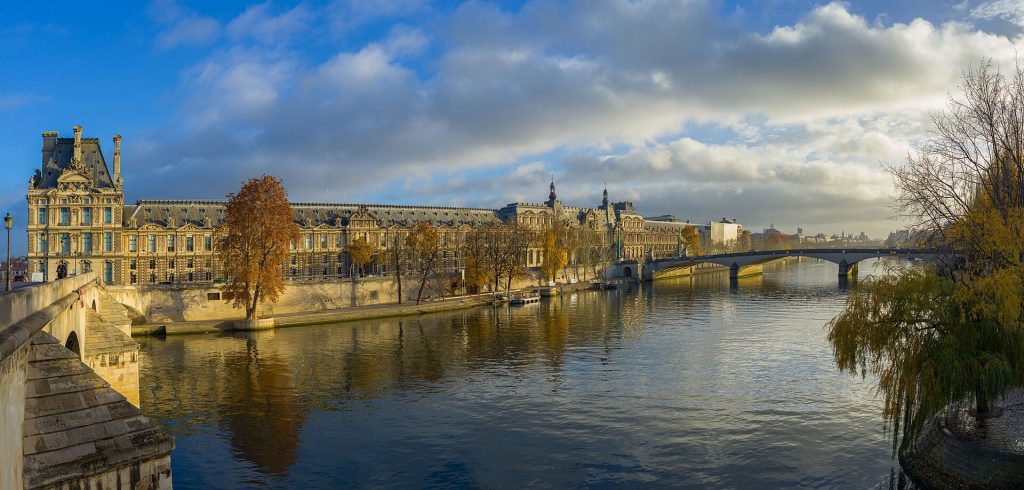
The Seine provides a useful reference, with the historic islands and central river area linking several classic walks. The Marais lies on the Right Bank, while the Latin Quarter and Saint-Germain provide different Left Bank settings. Major western sights and Montmartre require separate geographic thought rather than being added to every central loop.
Arrondissements are helpful addresses, but the precise street and transport route matter more than a broad claim of centrality. A property can be convenient for one museum cluster while adding repeated changes for another.
Our Paris accommodation comparison helps test the main choices. Choose the base against ordinary meals and returns as well as the landmark you most want to photograph.
Choose a Louvre visit rather than an endurance test
The Louvre is a large collection with far more than most visitors can absorb in one session. Choose a route through periods, subjects or works that interest you, and leave attention for something unexpected rather than making the visit only a search for the most famous room.
Book through the official museum website and read the entrance and time attached to your reservation. An advance ticket helps organise access but does not remove security or the need to reach the correct point.
Plan a substantial break afterwards. The Tuileries and surrounding area can provide a different pace, but a garden walk still involves walking and weather exposure. A seated lunch may be more useful than immediately heading into another major collection.
If the Louvre’s content is not your priority, choose a museum that is. Paris offers enough alternatives that no particular collection needs to be compulsory simply because it is the best known.
Eiffel Tower and the western city
The Eiffel Tower can be appreciated from public viewpoints as well as through a paid ascent. Decide which experience matters before booking, then check the exact access, level and conditions of the product offered.
A tower visit should receive a clear block of time. Avoid treating security and boarding as a small interval between two distant reservations, particularly with children or anyone who finds prolonged standing difficult.
The surrounding open spaces can provide a separate walk, but crowding, weather and local rules still shape the experience. Choose a viewpoint that fits the day rather than assuming every celebrated photo position will be quiet or unobstructed.
If you extend the western outing towards another major avenue or monument, keep the actual distance in mind. A broad straight line can still become a long walk after an ascent and several hours on your feet.
The Seine, islands and historic centre
A selective river walk can make a worthwhile day without several admissions. Choose a stretch around the central islands and nearby banks, then connect it with one neighbourhood or cultural visit rather than walking the entire central riverfront in both directions.
Religious buildings and major monuments have their own current visitor arrangements. Check the exact entrance, reservation where relevant and dress or behaviour expectations rather than treating every landmark as unrestricted public interior space.
The river-level paths and street-level routes offer different experiences. Consider steps, the route back up and current conditions before descending, particularly with a buggy or mobility needs.
A boat outing is another option, but compare the actual product, boarding point and duration. A transport service, sightseeing circuit and meal cruise are different purchases, and none is automatically the most useful way to understand the city.
Marais: make room for streets and a smaller collection
The Marais combines historic architecture, shops, food and cultural visits within a useful walking area. Choose a compact route and allow one museum or interior to anchor it, rather than treating every attractive street as a compulsory stop.
Place des Vosges can provide a natural pause, with the surrounding area offering choices for the next part of the day. A café or a small shop that interests you can be part of the visit without needing a claim that it is a secret discovery.
The district is popular and varies by street. Evening activity can be welcome for dining and disruptive for sleeping, so judge accommodation at room level rather than assuming a celebrated neighbourhood name guarantees quiet.
Latin Quarter and Saint-Germain
The Latin Quarter provides another setting for smaller streets, cultural interests and access towards gardens and the river. Choose the institutions or buildings that interest you, then keep the connecting walk flexible.
Saint-Germain offers a different mix of cafés, shops and cultural associations. Its reputation is useful context, not a guarantee that every meal or room offers the same experience. Compare the actual venue and the time you want to spend there.
The Luxembourg Gardens can provide a worthwhile outdoor interval near a Left Bank day, with local rules and operating arrangements respected. A park is not an instruction to fill every available minute walking; sitting down can be the most useful part after a museum morning.
Montmartre: choose the approach as well as the view
Montmartre deserves its own geographic block rather than a brief addition after a distant western outing. The hill, stairways and busy visitor routes can make the approach more demanding than a flat map suggests.
Choose transport or a walking route according to the group, then explore a limited area. A viewpoint and a few streets are enough for a satisfying introduction without trying to inspect every lane marketed as the neighbourhood’s authentic corner.
Follow expectations around religious sites and respect residential entrances. Popularity does not make the area less worth visiting, but it changes the expectation: come for the setting, not a promise of solitude.
Museums beyond the most famous name
The Musée d’Orsay provides a distinct art focus, while the Orangerie, Rodin Museum, Carnavalet and other collections offer different scales and subjects. Choose according to interest rather than simply picking whichever admission appears available in a gap.
A smaller museum can still deserve a substantial visit. The amount of time needed depends on what you want to see, not only the building’s reputation or size.
Our museum alternatives guide compares several useful choices. Pair one collection with a nearby neighbourhood and meal rather than making a day a competition to complete the greatest number of museums.
Food and everyday neighbourhood time
Paris offers different meal formats, from a bakery breakfast and market browse to a seated bistro lunch or a more elaborate dinner. Choose the format that suits the day rather than expecting every stop to be a culinary landmark.
Read menus, included courses and prices before ordering. If an outdoor table or a particular setting matters, compare that experience honestly with the food and cost rather than assuming a famous district makes every venue equivalent.
Markets involve individual businesses and specific trading periods. Check the actual market or stall you want instead of assuming that a street associated with food will offer the same activity every hour.
Reserve a meal you particularly care about, but keep other stops near the day’s route. A long cross-city journey for an ordinary lunch can consume the time you wanted for the neighbourhood already around you.
Transport that supports the day
Use the metro and RER according to the actual journey, checking direction, destination and ticket coverage. The systems serve different purposes, and an airport journey has specific conditions rather than automatically fitting an ordinary city ticket.
Walking within clusters often provides more pleasure than repeatedly transferring between unrelated landmarks. Buses can also be useful where the route fits, especially when station stairs or long interchanges would be inconvenient.
Our Paris transport guide explains how to compare city journeys and airport arrivals. Choose the final station exit and walking approach when travelling with luggage, not simply the nearest stop shown beside the hotel name.
How to spend the first four days
Give the Louvre or another major collection a clear morning, a Left Bank day its own route, the western landmarks a separate block and the Marais or Montmartre time according to your priorities. Our four-day itinerary provides one selective arrangement.
An excursion outside Paris belongs in additional time or replaces part of the city programme. Do not pretend the same central visit remains intact when a full day is removed for another destination.
Keep one interval open each day for a longer meal, poor weather or simple tiredness. The best first visit balances the landmarks with ordinary time in which Paris can feel like a city rather than a series of reservation confirmations.
Give the city a smaller alternative
A neighbourhood day does not need to contain a major ticketed visit. Choose a market when it is actually trading, a few streets, a garden and a meal, then let the route remain flexible. This can be a useful counterpoint to the concentrated attention demanded by the Louvre or another large collection.
The key is choosing a real area you want to spend time in rather than following a generic search for local Paris. Residents, businesses and visitors share the streets, and an ordinary café stop can be worthwhile without a claim of exclusivity.
A first evening without pressure
After a flight or intercity journey, keep the opening walk near your accommodation and identify the useful station entrance or pickup point for the next day. Arrival includes finding the room, settling in and eating, not simply reaching a central platform.
A smaller evening can still provide the first river view or square you hoped to see. Leave a demanding reservation for a time when you can give it proper attention rather than making the whole trip begin with a deadline vulnerable to travel delays.
That also creates room to judge the group’s pace. A plan adapted after one comfortable evening is more useful than four ambitious days committed before anyone knows how the distances feel.