Paris has enough museum variety that the Louvre need not define every cultural day. Choose another collection by subject, scale and location, then pair it with a nearby walk and meal. A smaller museum is not automatically a brief visit, and a celebrated collection is not necessarily the best match for every traveller.
The useful question is what you want to look at, not how many famous admissions remain on the list.
Musée d’Orsay: a substantial art day
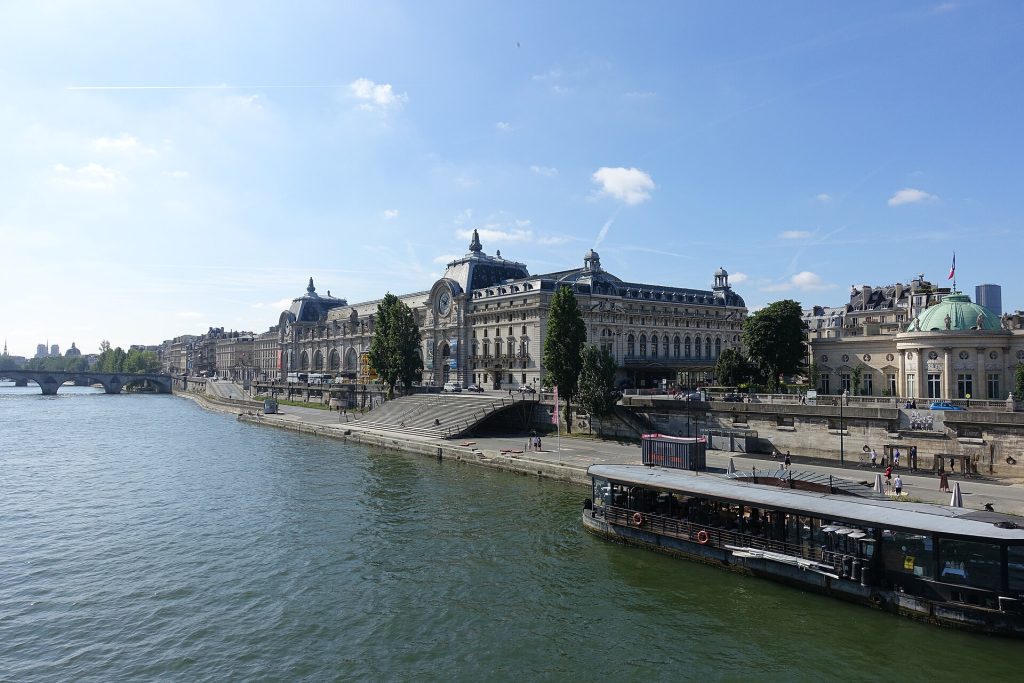
The Musée d’Orsay is the obvious alternative for visitors drawn to its artistic period and collections. Treat it as a major visit with time to look, rather than a quick addition after a full Louvre morning.
Choose a few artists or themes as anchors, then leave attention for unfamiliar works. The building’s setting adds interest, but it should not reduce the collection to a route towards a single photograph.
Check the official visitor information for current tickets, access and exhibitions. A particular temporary show may change the reservation or route you want, so compare the actual offer before paying.
Orangerie: focus rather than haste
The Orangerie can suit travellers who want a more concentrated visit, with Monet’s Water Lilies as a major interest alongside the rest of the collection. Give the works time rather than assuming a smaller venue should be completed as quickly as possible.
Its location makes it useful with a central garden or river outing. That does not mean you should automatically combine it with several other museums on the same day.
Check current entry arrangements through the museum’s official service, especially for exhibitions or a busy date. A compact building can still attract substantial demand.
Rodin Museum: sculpture and setting
The Rodin Museum offers another kind of experience, combining sculpture with its architectural and garden setting. It can provide variety after a painting-focused day, especially when you want to look at form and space at a different pace.
Choose the actual product and open areas before booking. A garden and an interior can involve different conditions or requirements, so do not infer the full visit from one familiar sculpture in a promotional image.
Outdoor time remains weather-dependent. A garden is not automatically the easiest rest break for someone who has already spent hours standing, so leave room for a seated interval too.
Carnavalet: understand the city you are walking through
Carnavalet is a useful choice when Paris itself is the main subject of interest. The visit can add context to the streets and buildings beyond the museum rather than functioning only as a separate art stop.
Pair it with a selective Marais walk and a meal nearby. You do not need to cross to another major district immediately afterwards for the day to feel substantial.
Check which spaces and exhibitions are open and whether a particular product requires booking. General collection access and a temporary exhibition should not be assumed to follow identical arrangements.
Picasso Museum and a subject-led visit
A Picasso-focused collection can suit visitors who want a more concentrated encounter with one artist rather than a broad survey across many periods. Choose it because that interest is genuine, not simply because the name is familiar.
Look at the current programme and allow enough time for the works on view. The experience can change with exhibitions and display choices, so avoid planning around an unverified assumption that one particular work is always available.
Its neighbourhood setting can support a slower day without several transfers. A museum, lunch and nearby streets are enough when you give each attention.
Choose the scale your group can enjoy
With children, pick a few works or questions to follow and keep the remainder flexible. Leaving while curiosity remains can be more useful than continuing because a pass includes another venue.
For access needs, consult the specific museum’s current information and entrance arrangements. Historic buildings, gardens and different floors can create distinct routes that a broad accessibility label does not explain.
Book the collection that matters and leave a margin around the visit. Security, a longer gallery stop or a slower lunch is easier to accommodate when the day is not built from several tightly spaced reservations.
Build the museum into the neighbourhood
Our four-day Paris itinerary pairs cultural visits with nearby areas. Use the destination guide to see how a collection relates to the river, gardens or streets you already want.
The strongest alternative to the Louvre is not necessarily another universally ranked museum. It is the collection that suits your interests and leaves enough attention to enjoy the Paris around it afterwards.
Do not build the day around an unverified assumption that a particular work is always displayed. Loans, conservation and exhibition changes can affect what is on view, so check the current programme if one object is the main reason for going. A flexible interest in the wider collection makes the visit less dependent on a single image.