Madeira rewards travellers who organise the island around landscapes rather than a list of summit photographs. Funchal provides restaurants, gardens and a practical urban base; the south coast offers small towns and changing sea views; the north introduces a more rugged Atlantic setting. Above them, the mountains and levadas require plans that respond to conditions, not simply a clear morning outside the hotel.
A week allows a varied introduction with time to move outdoor activities when necessary. Four days can still work if you concentrate on Funchal and a few selected outings. The important choice is how much walking, driving and coastal time your group actually wants.
Begin with Funchal
Give the city a proper day
Funchal is more than an airport-transfer endpoint. The older streets, waterfront, gardens and places to eat can support a full day without a mountain drive. Start with a compact walk, then choose a cultural or garden visit according to your interests.
The market area can be worthwhile when approached as a working commercial setting. Look at what individual businesses offer, check prices before buying and ask before photographing people closely. A market visit need not become a substantial shopping commitment to justify the stop.
The waterfront makes a useful easier interval after uphill streets. Choose a section and leave time to sit rather than assuming the entire shoreline must be completed on foot.
Gardens and the upper city
The higher garden areas offer a different setting, but their location introduces another journey. Decide which garden interests you rather than buying several admissions because they appear near one another on a map.
If using a cable car or other visitor transport, check current operation, tickets and the route back. The ride, garden entrance and onward activity may be separate purchases. A return does not need to reproduce the outward journey, but it should be planned before you leave the lower city.
Understand levadas before choosing a walk
Levadas are water channels with associated paths, not a single type of easy walking surface. Some routes are relatively gentle; others include narrow sections, exposure, tunnels or substantial distance. A level-looking path beside water can still be unsuitable for a particular visitor.
Choose the exact route using its current description and status. Madeira’s classified walking routes require checking reservations and applicable charges, as well as whether the trail is open or restricted. The official hiking information links the current arrangements and booking process.
Do not infer suitability from the word easy alone. Consider the surface, width, unprotected edges and the return journey, especially with young children, vertigo or mobility needs. Our more accessible levada guide explains how to make a realistic shortlist without promising that every route is step-free.
Mountains: keep the ambition conditional
Madeira’s central high ground provides dramatic scenery, but weather and route access can change the practical plan. A summit road outlook and a demanding ridge walk are different outings, even if photographs show similar mountain shapes.
Choose the activity first, then decide how you will reach it and return. A trail finishing elsewhere requires transport beyond simply having a parked car at the start. Do not make a group depend on an unconfirmed pickup after a long walk.
Carry suitable clothing, water and equipment for the selected route. Conditions at altitude can differ sharply from those near the sea, and a clear view when you arrive does not establish what the whole day will bring.
If a route is closed, restricted or beyond the group’s ability, choose another outing. Madeira offers enough variety that adapting the plan is usually more rewarding than treating one celebrated walk as the only meaningful experience.
South coast: choose towns for the time you will spend
Ponta do Sol and other south-coast settings can make attractive bases or selected outings, with sea views and town time providing a contrast to the mountains. Their value depends on the actual property and access, not just the coastline in the photograph.
A hillside room may offer a broad outlook while requiring a steep journey to meals or the shore. That can suit a quiet stay with a car, but it is a different proposition from walking out for dinner. Check how ordinary days will work before booking.
For an outing, choose a town, a meal and a short coastal walk rather than moving continuously between viewpoints. A place becomes more memorable when you stop long enough to understand its setting instead of leaving as soon as the photograph is taken.
North coast: a different Atlantic landscape
The north offers striking coastal scenery and towns such as São Vicente and Porto Moniz that can anchor a day. Choose the route according to conditions and your driving confidence rather than assuming every scenic road is interchangeable with a modern main connection.
Porto Moniz’s natural-pool setting is a familiar interest, but access and swimming depend on current arrangements and the sea. A pool formed beside the Atlantic is not automatically protected from every condition. Follow local instructions and keep a non-swimming version of the outing.
The north can also support an overnight stay when you want to spend more time there. For a shorter visit, a well-organised day may be enough. Our Madeira base comparison weighs that choice against meals, transport and evening convenience.
Forest scenery and slower stops
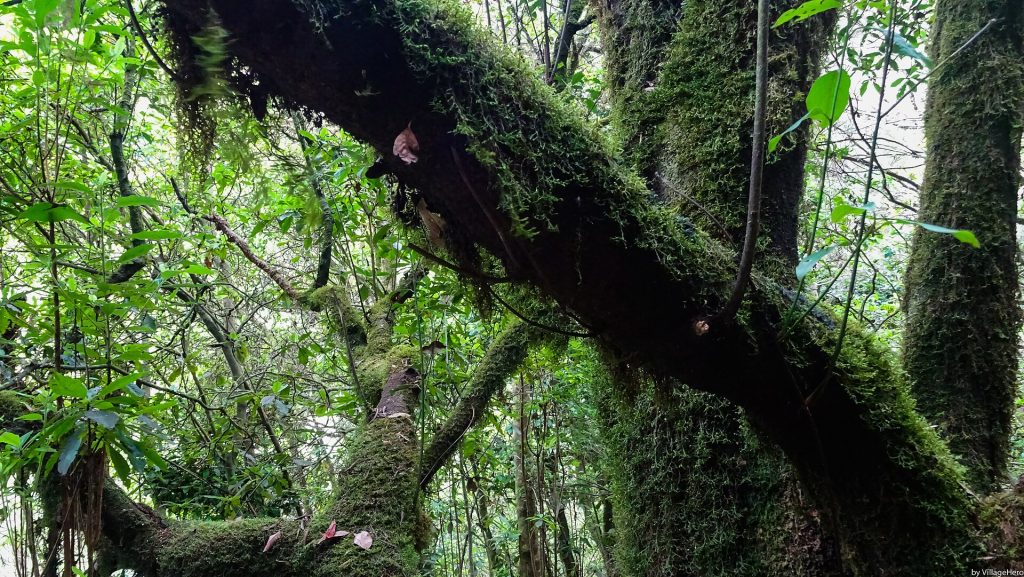
Madeira’s wooded landscapes deserve attention beyond the best-known viewpoint images. Choose a signed walk or permitted stopping area and allow the setting to shape a slower part of the day.
Fanal is often associated with a particular atmospheric photograph, but weather cannot be ordered to match it. Go because the landscape interests you, not because you expect a guaranteed mist effect. Keep to permitted access and avoid disturbing vegetation or animals for a frame.
If a forest outing involves a trail, check its current status and booking requirements just as you would for a mountain route. Being under trees does not remove the need to understand the surface, distance and return.
Coast, swimming and boat activities
Madeira’s coast is not a continuous line of easy sandy beaches. Choose swimming places according to the particular access, surface and conditions, rather than assuming a waterfront hotel provides the same experience as a mainland beach resort.
Sea excursions offer another perspective, but compare the actual product, boarding arrangements and operating conditions. Wildlife sightings should not be treated as guaranteed merely because the activity is marketed around them. Choose an operator and format appropriate to your group.
Keep weather-sensitive activities movable where possible, and understand cancellation conditions before attaching another fixed booking. A boat outing followed immediately by a distant drive can create unnecessary pressure if the schedule changes.
Food and the daily rhythm
Madeiran cooking gives you reasons to organise a proper meal rather than eating only between trail departures. Espetada, bolo do caco and fish dishes provide different starting points, with the exact preparation depending on the venue.
Ask about ingredients, portion sizes and accompaniments rather than expecting every menu to work identically. If trying poncha or other alcoholic drinks, arrange driving accordingly; a tasting stop should not depend on improvising who will drive afterwards.
For walking days, carry what you need and plan where you can eat before or after the route. A small rural destination may not offer the same choice or service hours as Funchal. Leaving that detail open is different from relying on food that may not be available when you arrive.
Do you need a car?
A vehicle is useful for varied landscapes and rural bases, but it also brings steep approaches, parking and unfamiliar roads. Funchal with selected organised outings can work for visitors who prefer not to drive daily.
Choose the model around your actual itinerary. A car is less valuable on a full city day and more valuable when several rural stops are genuinely planned. Our Madeira rental advice explains the practical questions before booking.
For a first week, our nature-focused road trip groups the areas and protects room to move activities. Fewer daily stops can make the road time more enjoyable for both driver and passengers.
Choose a base that supports the whole stay
Funchal is the strongest practical shortlist for restaurants, city interests and a broad range of outings. Ponta do Sol can suit a quieter south-coast setting. A northern base is persuasive when you intend to spend substantial time in that landscape rather than cross the island repeatedly.
Check the approach to the actual entrance, parking and whether nearby on a map means downhill on foot and a steep return. A sea view and easy everyday access are different advantages; choose deliberately between them.
Before arrival, secure the controlled experiences that matter, then keep enough flexibility for weather and route status. Madeira’s appeal lies in its variety. A good visit makes that variety useful, giving you alternatives rather than a long list of obligations that the conditions may not support.
Two useful alternatives to a mountain day
Câmara de Lobos can provide a shorter town-and-coast outing when you want a change from Funchal without making the whole day a driving circuit. Choose a meal and a manageable walk, then return when the group has had enough rather than attaching several distant viewpoints.
The eastern peninsula offers a different, more open landscape from the wooded interior. If you want a walk there, check the precise classified route, current access and exposure. A coastal position does not make a trail equivalent to a shaded levada, especially in wind or strong sun.
These alternatives are useful because Madeira’s conditions can differ between areas. A changed plan should still match the day’s weather and the group’s ability, not simply send everyone towards the next famous photograph.
A mixed-interest week
Not every companion needs to be equally enthusiastic about hiking. Agree which days belong mainly to walking and which leave space for gardens, food or the coast. One properly chosen trail can introduce the island’s water-channel landscape without making the whole holiday a succession of early departures.
For families, a shorter outdoor visit and a familiar evening meal may be more successful than adding another stop because the drive passes nearby. For keen walkers, replacing a city day with a researched route is reasonable, provided the transport and current reservations are arranged.
The strongest programme gives each interest real time. It does not claim that every passenger will enjoy the same ambitious route simply because they share a car.