Edinburgh’s geography does much of the storytelling. The Old Town follows a ridge between the castle and Holyrood, with narrow closes dropping away from the main street. Across the valley, the New Town opens into orderly terraces and broad streets. Beyond them are residential neighbourhoods, coast and hills that remain part of everyday city life.
Three full days provide a good first visit: one for the Old Town, one for museums and the New Town, and one for a hill or the nearby coast. Keep the outdoor plans flexible. Wind, rain and short winter daylight can matter more than the distance on a walking map.
Start with the Old Town’s shape
The Royal Mile connects the castle area with the Palace of Holyroodhouse, but it is not one flat shopping street. Gradients, steps and side passages influence how you explore. Walking downhill from the castle makes a useful first orientation, with pauses rather than a march from end to end.
Look into public closes and courtyards where access is permitted, noticing how tightly buildings fit the ridge. These spaces help explain the historic city’s density. Some are residential or lead to private premises, so an open-looking passage is not a promise of unrestricted access.
St Giles’ Cathedral and the streets around it offer a natural central pause. For more historical context, choose a focused guided walk or an indoor visit that interests you. There is no need to book every underground experience or ghost tour merely because they are heavily advertised.
Edinburgh Castle: book it as a substantial visit
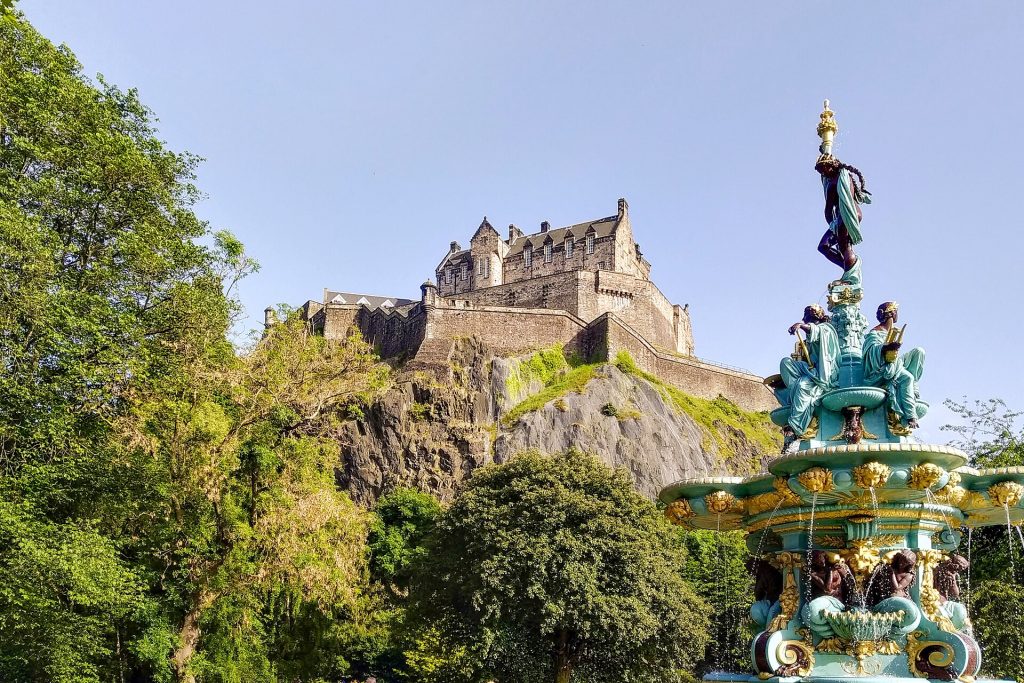
The castle occupies a dramatic position and combines military history, state symbolism and broad views. It deserves more than a quick look between other appointments. Check current displays and access information when planning, especially if a particular collection is the reason you want to go.
Use the official castle ticket page to book ahead and inspect the available products. Entry can sell out, particularly at busy times. Follow the conditions of the ticket you choose rather than assuming every product has the same flexibility.
The approach and internal routes involve gradients and uneven surfaces. Read the accessibility guidance if mobility or fatigue is a concern, and do not interpret a central location as effortless access. After the visit, allow a meal or quieter walk before another substantial attraction.
Holyrood and the lower Royal Mile
Continue down the Royal Mile for a different pace from the castle end. The Palace of Holyroodhouse provides a separate royal-history visit, while the surrounding area opens towards Holyrood Park and the Scottish Parliament.
Check the palace’s official visitor arrangements before building a day around it, since a working royal setting can have different access conditions from an ordinary museum. Choose it for your interests rather than assuming a castle-and-palace double bill is essential for everyone.
The park beyond is not simply a decorative garden attached to the city. Its rugged ground, lochs and hills give Edinburgh a distinctive outdoor dimension. You can enjoy a lower-level walk without attempting a summit.
Hills and viewpoints: choose by conditions
Arthur’s Seat offers wide views from a volcanic hill within Holyrood Park. Treat it as an outdoor walk, with appropriate footwear, a weather check and enough daylight to return comfortably. The fact that you can see central streets nearby does not remove the exposure or uneven ground.
Consult Historic Environment Scotland’s park information for current restrictions. Some paths can be closed for safety reasons; a line shown on an old map should not overrule signs on the ground.
Calton Hill is a shorter viewpoint outing with a different perspective over the city. It still involves an ascent and can be windy. For travellers avoiding steep or rough routes, select an easier urban viewpoint or a park walk instead. Our scenic walks guide compares the possibilities.
The New Town: streets worth walking slowly
The New Town rewards attention to scale and detail: long terraces, stone façades, formal squares and carefully planned views. Begin near Princes Street, then explore towards George Street and beyond according to your interests.
Princes Street Gardens separates parts of the Old and New Town settings and offers views back towards the castle. It is a useful break, though access and routes can be affected by events or seasonal arrangements. Choose a bench or short circuit rather than assuming every visit requires walking the whole length.
For art, consider the central National Galleries of Scotland venues, checking current exhibitions and admission arrangements. A gallery visit pairs well with the New Town and gives you an alternative when hill weather is unappealing. Avoid scheduling it only as an afterthought at closing time.
Museums, books and Scottish culture
The National Museum of Scotland is a substantial choice for history, science, design and objects, with enough variety to suit different interests. Plan a selective route and a break rather than expecting everyone to absorb the whole building.
Edinburgh’s literary connections provide another way to structure a visit. Choose an author, period or neighbourhood that interests you, then explore relevant streets, collections or bookshops. A specialist walk can be more rewarding than a loosely connected list of famous names.
Festivals shape the city’s calendar and atmosphere, especially in summer. They can be an excellent reason to visit, with performances well beyond the major venues. They also affect accommodation demand and walking routes. Check dates and book accordingly, even if you are coming for an ordinary city break rather than a festival-focused trip.
Stockbridge, the Water of Leith and the coast
Stockbridge provides shops, cafés and residential streets beyond the main sightseeing ridge. Combine it with a manageable stretch of the Water of Leith walkway if conditions allow. Routes beside water can be muddy or affected by temporary closures, so keep a street alternative available.
Dean Village is a small residential setting rather than an extensive attraction. Visit quietly, stay on public paths and avoid obstructing entrances. Its photographs can make it seem more secluded or larger than the actual place.
For a different afternoon, consider Leith or the seafront at Portobello. Leith has its own history and dining scene; Portobello suits a promenade walk and beach time when conditions permit. Neither should be treated as a spare ten-minute detour from the Royal Mile. Our three-day itinerary shows how to make room for the coast.
Food and an evening plan
Scottish food is broader than a checklist of haggis, shortbread and whisky. Look for seasonal produce, fish, baking and contemporary menus alongside traditional dishes. If you want haggis, check the ingredients and available vegetarian versions rather than assuming all preparations are alike.
A pub can provide a comfortable meal, but food service hours, seating and child policies vary. Reserve where dinner is important, especially around major events, and keep another evening flexible for a neighbourhood you enjoy.
If whisky interests you, choose a tasting that explains styles and production at a level suited to your knowledge. Drinking is optional, and a tasting should not be followed by an ambitious hill walk or an unnecessary drive. A simple meal and a shorter evening stroll can fit the city just as well.
Where to stay
The Old Town suits visitors who want historic streets and major sights close by. Compare the actual approach: a nearby address can still involve a steep close, steps or a noisy late-night street. Older buildings may have awkward luggage access.
The New Town offers a different atmosphere, with Georgian streets and useful city connections. It is not uniformly flat or quiet, so inspect the room and route carefully. Staying near the centre can make rests and evening plans easier during a short visit.
Compare both in where to stay in Edinburgh. During major festivals, book around your actual priorities and avoid paying for a central location that leaves you with an unsuitable room or restrictive cancellation terms.
Arriving and getting around
Waverley station is central, but its exits lead towards different levels and routes. Check the one that best suits your accommodation. Haymarket can be useful for some western addresses; choose the station based on your train and final destination rather than habit.
From the airport, trams and the Airlink bus provide different routes into town. Compare the stop nearest your property and the walk from it. Our tram-or-bus transfer guide covers that decision.
Walking is central to the visit, but buses and trams reduce longer journeys and repeated climbs. A car is generally unnecessary for a city stay. If arriving as part of a road trip, arrange parking in advance and investigate the relevant access rules separately.
Seasons and pacing
Build a wet-weather alternative around the area you already plan to visit. A museum near your morning route, a gallery after lunch or a longer café break avoids turning a passing shower into a journey across the city. If a hill is a priority, keep more than one possible window instead of booking every hour around it.
Allow a modest contingency budget for public transport. A bus back from a neighbourhood walk can preserve energy for the evening, while an airport taxi may be sensible if an early departure does not match scheduled services. Spending selectively on those practical gaps can improve the stay more than adding another paid attraction.
Visitors coming for a particular performance should read venue information before choosing accommodation. Temporary festival venues, larger theatres and neighbourhood spaces do not all sit beside the Royal Mile. The easiest base follows the programme you will actually attend, especially when several late finishes are involved.
Pack for changing conditions rather than expecting one forecast to describe an entire day. Waterproof layers, comfortable shoes and a warmer layer are useful across much of the year. In winter, put longer outdoor walks earlier and reserve indoor visits for later.
Is two days enough?
Two days suit the main historic areas and a selected museum. A third gives you room for a hill, neighbourhood or coast without compressing the core visit. Add more time if festivals or specialist collections are a major interest.
Must you climb Arthur’s Seat?
No. It is one option among several, and not the right one in every condition. Edinburgh’s streets, gardens and lower viewpoints provide plenty of ways to understand the city without reaching a summit.