Dubrovnik is most rewarding when you give the walled city time at different hours and leave space for the sea beyond it. The walls explain its defensive setting; the streets below reveal churches, courtyards and the legacy of the maritime Republic of Ragusa. Nearby islands and coastal towns provide a change of pace when the centre becomes crowded.
Three full days suit a first visit: one for the Old Town, one for the walls and a swim or museum, and one for an outing. Choose accommodation with the terrain in mind. A short distance from the gates can still involve a long staircase, especially when the address sits above the coastal road.
Get your bearings at the gates
Pile Gate, on the western side, is a main arrival point for visitors coming by local transport or taxi. Ploče provides another approach from the east. Inside, Stradun forms the broad central spine, while streets climb away on either side and the Old Harbour sits towards the seaward end.
The centre is pedestrian, so a booking inside the walls still requires a final walk. Confirm which gate to use and how many steps lie between it and your property. With luggage, that information matters more than a description saying the room is only a few hundred metres from an entrance.
Gruž is the main working harbour and transport area outside the Old Town. Do not confuse it with the Old Harbour when booking a boat, ferry or meeting point. Lapad lies further west and offers a different base for beach time and everyday stays.
Explore the Old Town beyond Stradun
Begin with a slow walk along Stradun, then branch into public side streets and squares. The Rector’s Palace, cathedral surroundings and monastery complexes offer different ways to understand the city. Pick one or two substantial interiors according to your interests instead of treating every doorway as a compulsory stop.
Look for the practical details of a maritime city: gateways, water infrastructure, courtyards and the relationship between public squares and confined residential streets. A historical guided walk can provide a useful framework, particularly if you want more than a collection of television filming locations.
Return at another time of day if possible. Streets that feel overwhelmed during a busy arrival period can become more comfortable later, although popular evenings remain lively. Staying longer than a brief day trip gives you that flexibility without requiring you to get up before dawn every morning.
Walk the walls with a realistic plan
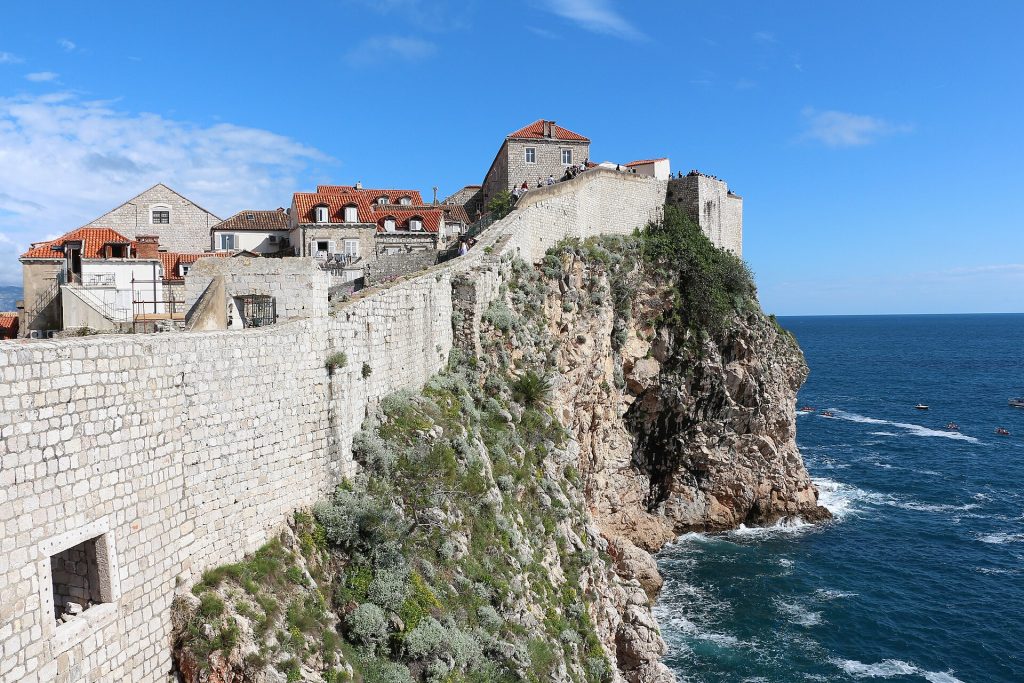
The walls provide views over roof tiles, fortifications and the Adriatic, helping you understand the city’s shape. They also involve stairs, exposed sections and limited shade. Book the experience as an outdoor walk rather than a casual elevated pavement.
Use the official city walls website to check admission, openings and ticket conditions. If considering a city pass, compare its current coverage with the sights and transport you genuinely intend to use. Do not assume an old price or inclusion list still applies.
Choose a comfortable part of the day and bring water, sun protection and footwear with grip. Allow time to stop without blocking narrow sections. Our wall-walking practical guide covers tickets, access and pacing in more detail.
Forts, museums and historical context
Fort Lovrijenac, outside the main walls, provides another perspective on the city’s defences and coastal setting. Check the current ticket relationship with other monuments rather than assuming every purchase includes every fortress.
The Rector’s Palace can help connect architecture with the governance of Ragusa, while maritime collections suit visitors interested in trade and seafaring. Choose a subject that adds something different to your wall visit. Repeatedly entering similar-looking monuments without context can be less rewarding than one museum followed by a thoughtful walk.
For religious buildings, inspect visitor arrangements and behave appropriately during services. Some interiors have separate admission or restrictions on photography. A church remaining in use is not simply another room on the sightseeing route.
Beaches and swimming: look beyond the photograph
Dubrovnik’s beaches and swimming places vary in surface, depth and access. A view of clear water does not tell you whether there are steps, rocks, a gentle entry or supervision. Choose according to swimming ability and the practical route from your base.
Beaches near the Old Town can be convenient for a short swim between visits. Lapad provides a different setting for a longer beach afternoon, while other coves require more walking. For families, compare shade, toilets and the return journey as well as the water.
Rock platforms and ladders are not substitutes for a shallow sandy beach. Check the sea on the day, heed local notices and avoid swimming when conditions make getting out difficult. Water shoes can help on some shorelines, but they do not remove the need to assess depth, waves and boat activity.
Lokrum: a short crossing, a different kind of day
Lokrum lies close offshore and provides paths, vegetation, historic remains and rocky swimming places. It works well as a change from the dense streets, provided you leave enough time to explore rather than rushing over for a single photograph.
Check the official reserve information for sailings, entry arrangements and rules. Confirm what your ticket includes and identify the return departure point on arrival. Boat operations depend on season and sea conditions, so keep a city-based alternative available.
Wear shoes suitable for uneven paths and bring water. Do not assume every swimming spot is suitable for children or weak swimmers. Treat the island as a protected place, following signs and rules rather than leaving food for animals or climbing where access is restricted.
Cavtat and other time beyond the walls
Cavtat suits a day of waterfront walking, a relaxed meal and a different coastal setting. Depending on season and conditions, you can compare public bus access with passenger boats. The mode you choose changes the journey as well as the timetable.
For an island outing further afield, investigate the specific ferry route and harbour rather than choosing by a generic description of the Elaphiti Islands. Public ferries and organised excursions offer different schedules, stops and flexibility. A full island day should replace other plans, not sit between a morning museum and an inflexible dinner booking.
Our Lokrum and Cavtat day-trip guide compares two manageable choices. There is no need to leave Dubrovnik every day; a longer stay can simply give you quieter hours in the city and more time by the sea.
Food and evenings
On regional menus, you may encounter black cuttlefish risotto, grilled fish, shellfish and slow-cooked meat dishes such as pašticada. These offer different meal experiences, so choose by appetite rather than assuming seafood is compulsory beside the Adriatic. Ask about daily availability and cooking time, particularly for dishes prepared for two or more people. If avoiding seafood, say so clearly when discussing starters and sauces as well as the main course. A simple lunch and a more considered dinner can make room for local cooking without requiring an elaborate meal twice a day.
Look for seafood, seasonal produce and regional preparations, but read menus before choosing a terrace. A waterfront table can carry a setting premium, and a long menu does not establish that every dish reflects the local catch.
Ask how fish is priced and what a quoted price includes, especially if sold by weight. For shared dishes, check portions and accompaniments. Dietary requirements deserve the same specific questions as elsewhere: seafood-led menus may offer fewer alternatives than their length suggests.
Reserve when a particular meal matters, while leaving other evenings flexible. Staying inside the walls makes an after-dinner wander easy; a base elsewhere needs a return plan. Neither is inherently better, but the journey should be part of the decision rather than a surprise at the end of the evening.
Where to stay
The Old Town suits short visits focused on historic surroundings and evenings within the walls. The main trade-offs are steps, luggage access, compact rooms and noise. Check the route from the gate to the room, not simply the property entrance.
Lapad suits travellers balancing sightseeing with beach time and a more spacious holiday routine. Confirm the walk to the beach and bus stop: the peninsula includes slopes and widely differing addresses. Gruž is practical for ferries, buses and some longer stays, with a working-harbour atmosphere rather than an old-town setting.
Compare the options in where to stay in Dubrovnik. For summer, investigate cooling and shade; for families, ask about real beds and terrace safety. A panoramic sea view can imply a steep climb, so decide whether you want to make it several times a day.
Arriving and getting around
Airport road connections, local buses and taxis serve different arrival needs. Confirm your property’s nearest useful stop or vehicle access point before choosing a transfer. Inside the walls, expect to walk the final section.
The local bus network is useful between the Old Town, Lapad and Gruž. Use Libertas Dubrovnik for current route and ticket information rather than assuming all services share the same stops or fare conditions. At busy periods, leave room for waiting and traffic.
A car is generally unnecessary for a city stay and can complicate parking. If Dubrovnik is part of a road trip, arrange parking and luggage drop-off in advance. Do not expect to drive to an address within the pedestrian centre.
Seasons and a workable first visit
Summer brings swimming weather alongside heat and concentrated visitor demand. Spring and autumn can be more comfortable for walking, though boat operations and sea conditions remain variable. Winter has a quieter rhythm, with shorter opening hours and fewer seasonal businesses operating.
For three days, follow our Dubrovnik town-and-islands itinerary, keeping the excursion day flexible. Give the walls a comfortable weather window and use museums or a longer lunch when conditions favour staying indoors.
Can you enjoy Dubrovnik without walking the walls?
Yes. The streets, waterfront settings and museums offer a worthwhile visit. The walls are a major attraction, but stairs, heat or access requirements can make another plan more suitable.
Is one night enough?
It allows a brief introduction, but two or three nights give you more choice over sightseeing hours and weather. That flexibility often matters more than adding another destination to a wider coastal itinerary.