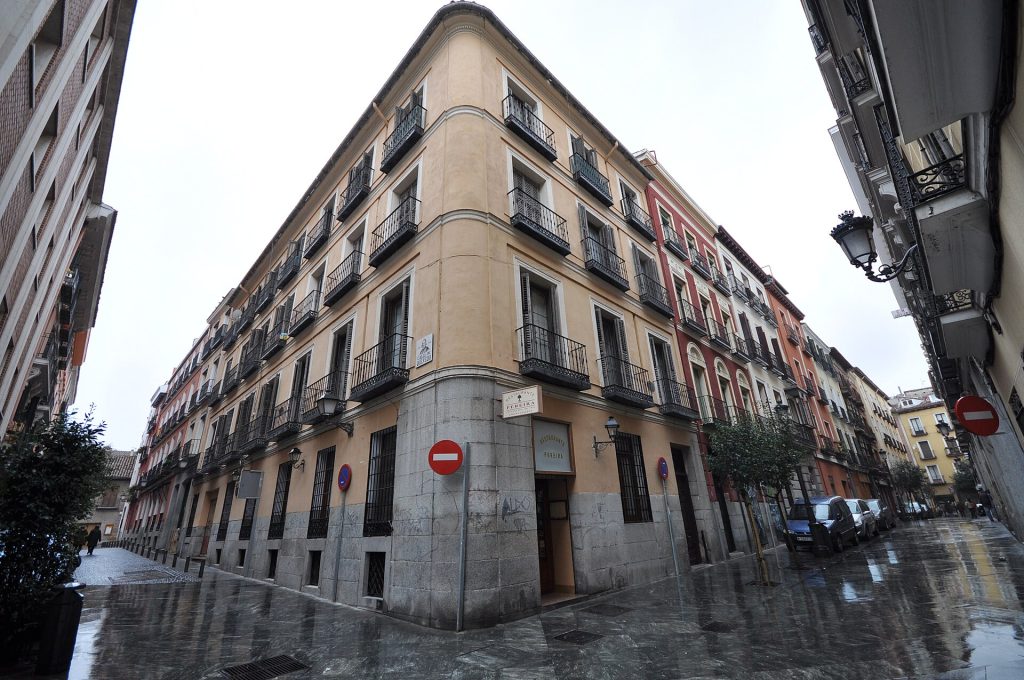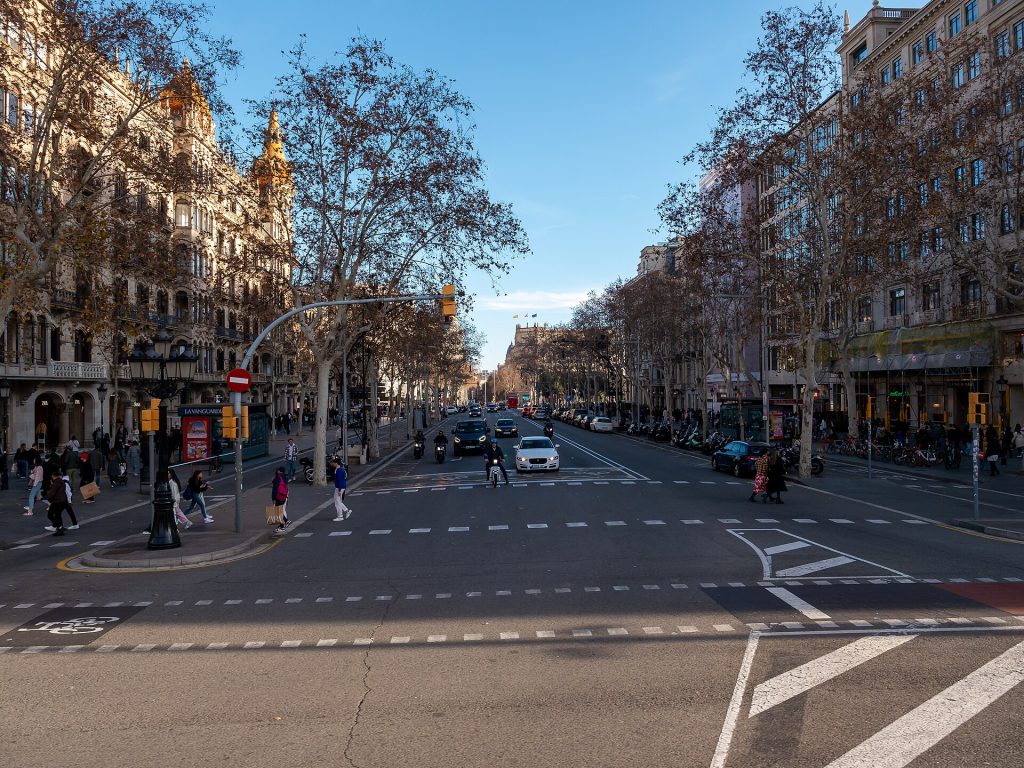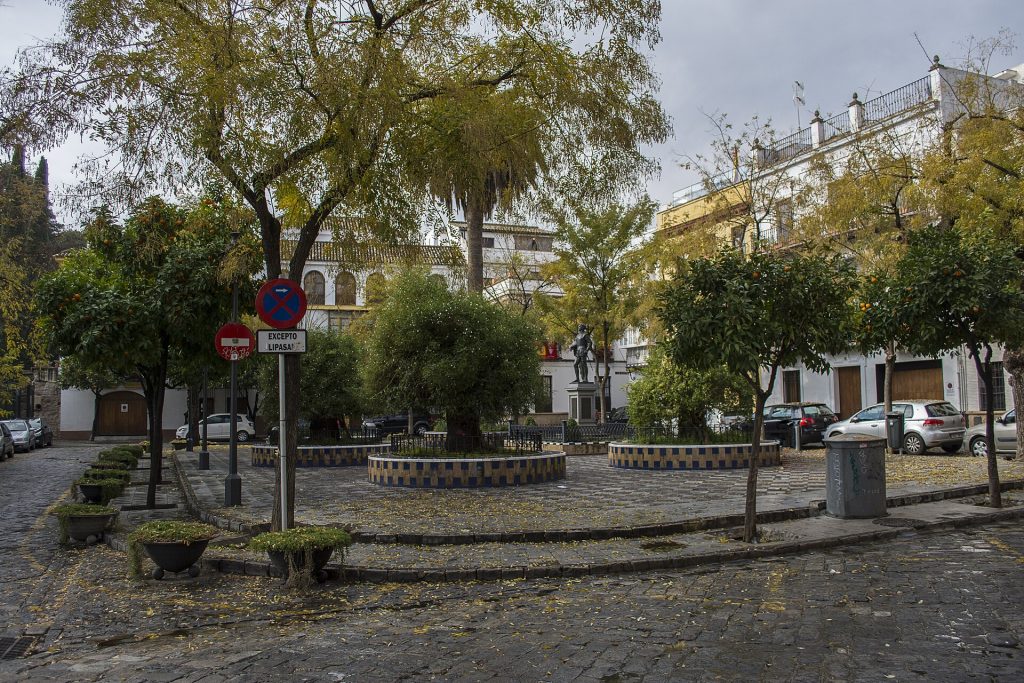
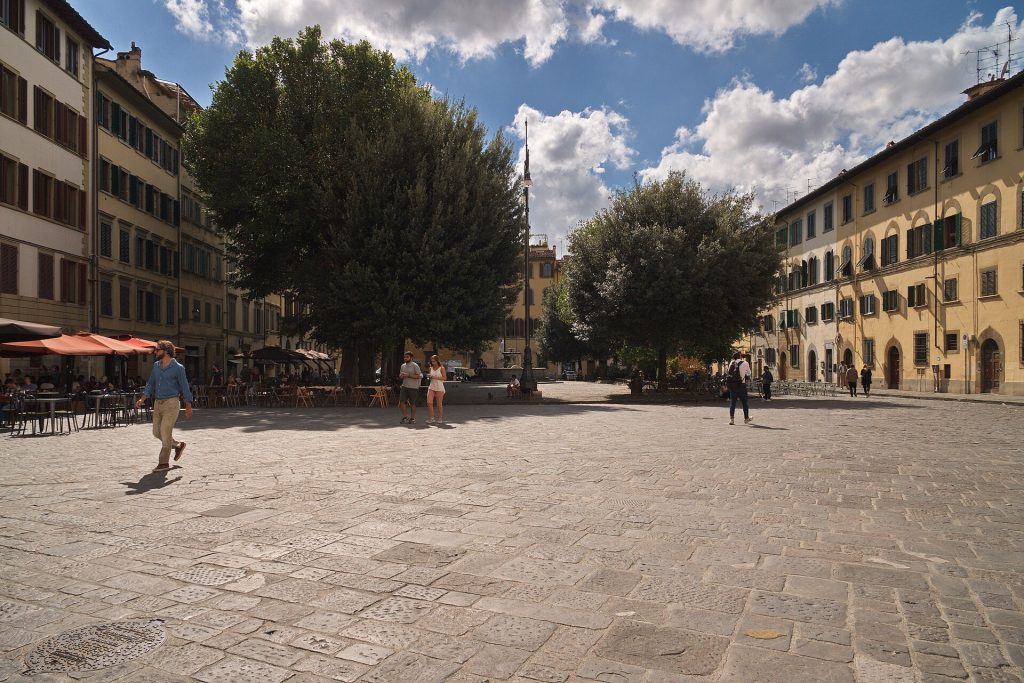
Choose the Duomo area for Florence’s classic central setting, Oltrarno for southern-bank evenings or Santa Maria Novella when station access and practical arrival matter. The centre is compact enough that the actual room, entrance and street noise may matter more than a small distance difference.
For a short cultural stay, compare the base against your two main museum bookings before paying extra for a location advantage you will barely use.
Compare the areas
| Area | Best reason to stay | Main compromise |
|---|---|---|
| Duomo / central historic core | Famous streets and short central walks | Busy routes, older buildings and variable noise |
| Oltrarno | A different evening setting and southern-bank interests | Repeated river crossings for some visits |
| Santa Maria Novella | Straightforward rail journeys and practical luggage days | Exact street and distance to the desired sights vary |
Treat budget comparisons as date-specific. A room in a celebrated area can be good value or a poor fit depending on its category, size and cancellation terms.
Duomo area: for the first-visit setting
Staying near the cathedral district puts the central streets into ordinary daily life. It suits visitors who want an early walk before breakfast or a simple return after dinner without another transport decision.
The main advantage is using that setting repeatedly. If you spend most days elsewhere or only pass the cathedral once, a room with better space in another central area may add more value.
Check the actual entrance
Older properties can include steps before a lift, a small lift that does not reach every floor or a room with limited daylight. Clarify those details rather than judging the building from photographs of shared spaces.
A pedestrian street can still have evening voices, restaurant activity and deliveries. Ask what the bedroom faces and read recent comments for recurring noise patterns. Central and quiet are separate features to verify.
Oltrarno: stay for the neighbourhood you will use
Oltrarno can suit travellers who expect to enjoy meals and local time around its streets, rather than return only after a long day elsewhere. The Santo Spirito area and addresses nearer Pitti create different immediate settings, so locate the actual property.
It can also be useful when southern-bank cultural visits form a significant part of the plan. However, the Uffizi, Accademia and station still need to be tested as real journeys rather than assumed equally close.
The crossing trade-off
One river crossing can be a pleasant part of the day. Several daily returns with children or tired legs can change the calculation. Decide whether you expect to leave once each morning or return frequently for rests.
Check evening activity near the room as carefully as on the northern bank. An area associated with workshops and local restaurants is not uniformly quiet, and a room above a lively square can differ from one on another side of the same building.
Our two-day Florence route provides concrete journeys against which to compare the location.
Santa Maria Novella: for practical arrival
A base near the main station can simplify arrival, departure and selected excursions. It is worth comparing when you have an early train or several cases, or prefer a more straightforward hotel approach to an awkward historic-building entrance.
Check the station exit and route to the property. The district name is broader than one immediate frontage, and being generally near the railway does not guarantee a short final walk.
Who benefits most?
Travellers on a wider rail itinerary, those making a planned day trip or anyone valuing simple luggage days may find this practical. The convenience should still be balanced against the streets you want to use in the evening.
Do not let a single early departure determine a much longer stay if it makes every other day less enjoyable. For some visitors, a one-off taxi is a better compromise than choosing the entire holiday around the station.
Room checks that apply everywhere
Confirm the actual beds, usable floor space, cooling or heating, reception arrangements and luggage storage. For families, ask whether the room leaves somewhere comfortable for adults after a child’s bedtime.
Accessibility needs concrete answers about the whole entrance and bathroom. A lift symbol alone does not describe the approach from the street or the distance to your room.
Drivers should obtain current parking and access instructions before entering restricted central streets. Apartments need additional clarity about keys, cleaning and any separate charges.
Finally, compare your base with the main city clusters and the museum entry plan. A successful location supports both the headline visit and the ordinary return, leaving more energy for the art rather than the room logistics.
If your main reservations fall early, check breakfast timing and the first part of the route before paying for a room package. A convenient café near the museum may be more useful than an included breakfast served after you need to leave. The room’s practical value should be measured against the actual schedule, not simply the list of amenities.