Lyon offers two quite different introductions to its food: specialist counters at Les Halles de Lyon Paul Bocuse and the sociable, substantial meals associated with bouchons. The first lets you explore ingredients and producers; the second puts a particular style of cooking on the table. Combining them works better than expecting either to represent everything the city eats.
What Les Halles offers
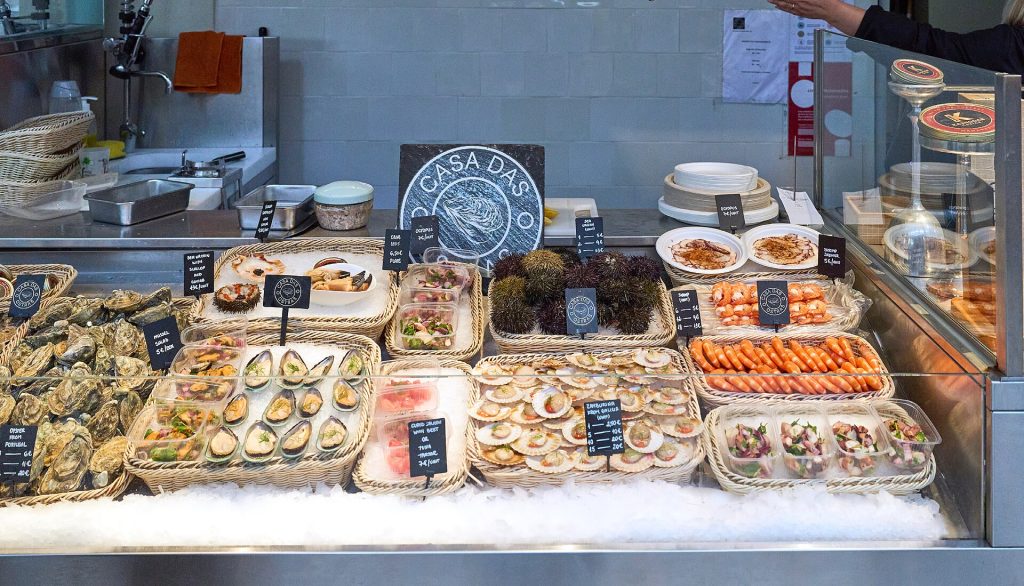
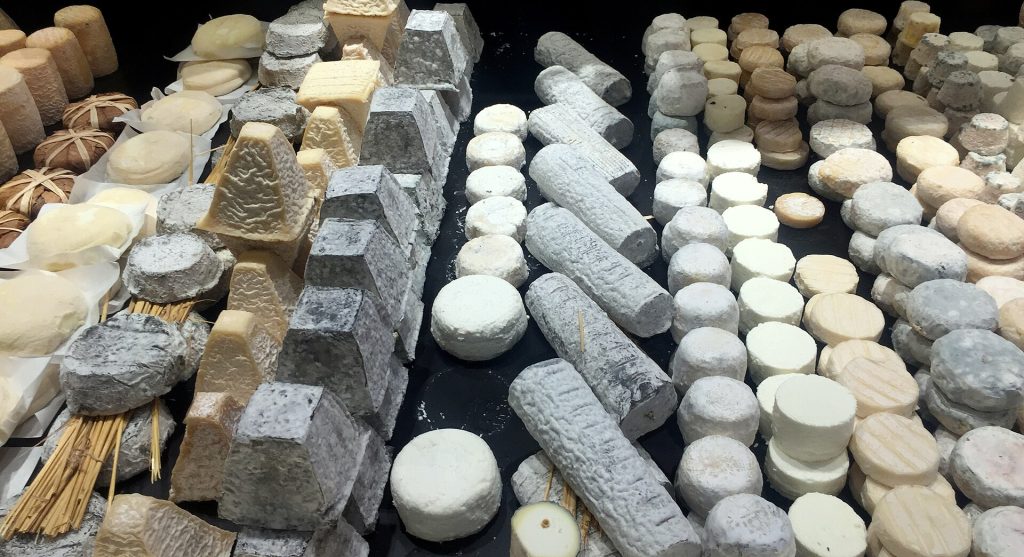
The indoor hall, in the Part-Dieu area, brings together food specialists selling products such as cheese, charcuterie, bread, pastries and seafood. It is a place to browse closely and buy selectively, with some businesses also offering meals or counter service.
Expect a polished food-shopping environment rather than a cheap municipal market. Beautiful displays can encourage an expensive collection of small purchases, so decide whether you are there for lunch, gifts or a few tastes. Setting a rough budget before entering helps keep enthusiasm proportionate to appetite.
The hall’s overall opening hours do not guarantee that every trader is operating or serving food. Check the businesses that matter to you before arranging the day around them, particularly on quieter trading days or around holidays.
How to visit without overordering
Start with a circuit before buying. Notice which counters are retail shops, which offer seating and where orders are taken. Ask whether a product is sold by weight, portion or piece before agreeing to a quantity.
For lunch, choose one place to sit rather than assuming purchases from several traders can be eaten anywhere. If you want picnic supplies instead, buy quantities you can finish and consider how you will keep perishable food cool. Cheese and pâté are less appealing after hours in a warm backpack.
Travellers buying gifts should distinguish food for immediate consumption from products suitable for the journey home. Ask sellers about storage and packaging, then check your destination’s import rules independently. Vacuum packing does not automatically make meat or dairy admissible across a border.
What makes a bouchon different
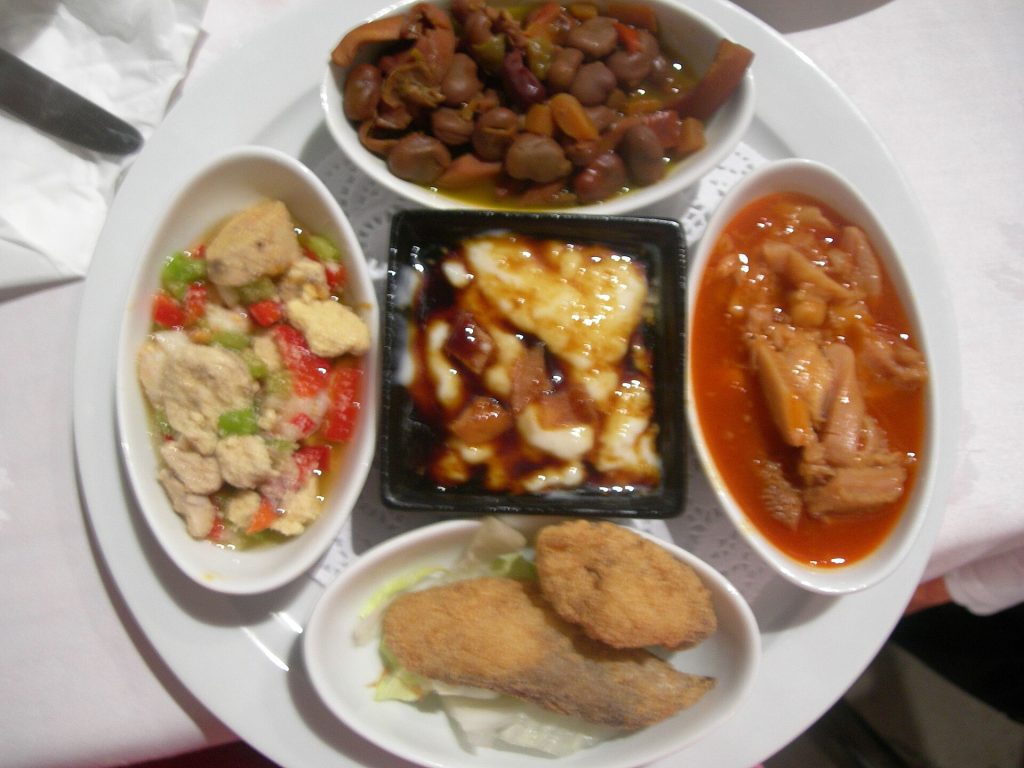
A bouchon is associated with Lyonnais cooking and an informal, convivial dining tradition. The appeal comes from dishes, hospitality and the rhythm of a proper meal, rather than elaborate presentation. Tables may be close together, and the atmosphere can be lively.
Traditional menus often feature pork, offal, charcuterie and rich preparations. Quenelles, commonly associated with fish and a sauce, provide one familiar entry point; pâté en croûte illustrates the city’s charcuterie traditions. Recipes vary, so treat dish names as a starting point for questions rather than a complete ingredient list.
Lyonnais salad can contain bacon and egg, and vegetable-looking accompaniments may include animal products. Vegetarians, people avoiding pork and travellers with allergies should inspect menus carefully and contact the restaurant before reserving. A traditional address may simply be the wrong choice for your group’s requirements.
Choosing the right restaurant
Look for a clearly presented menu with dishes you actually want to eat. A lengthy list aimed at every possible visitor is less useful than a concise menu that explains the kitchen’s direction. Published information about official bouchon recognition can help identify an established tradition, but it does not replace checking the food, budget and setting.
Reserve for the meal that matters most, especially with a group. Ask about dietary requirements at that point and confirm whether the restaurant offers a set menu, individual dishes or both. Check the service times too: arriving near closing and expecting a full lunch can derail an otherwise simple day.
If sharing is important to you, ask rather than assuming every fixed menu can be split. Likewise, check whether a sauce or side is included before comparing apparently similar prices.
Read the menu with confidence
An unfamiliar dish deserves a short question. Ask which meat or fish is involved, whether the preparation is served hot or cold and how substantial it is. With a rich starter, a smaller main or shared dessert may be enough.
Wine is optional. If you do want it, compare the available serving sizes and ask for a recommendation within your budget. Water and a meal you enjoy are a better introduction to Lyon than an expensive pairing chosen under pressure.
Fit food into the wider visit
For travellers eating alone, a counter meal can be a comfortable introduction, while a restaurant reservation provides certainty at a busy service. Mention party size and any seating needs when booking. If you want a quieter conversation, ask about the dining room’s layout rather than assuming a small restaurant will be peaceful.
Separate a substantial bouchon meal from a full hall lunch, preferably across different days. Les Halles pairs naturally with time on the eastern side of the city; an old-town restaurant can follow a morning around Saint-Jean. Our two-day food itinerary combines those areas without repeated crossings.
Leave room for ordinary food experiences too: buying breakfast, choosing bread for a picnic or stopping at a neighbourhood café. Lyon’s reputation can make every meal feel like a test of culinary knowledge. The more useful approach is to eat to your appetite, ask questions and choose traditions that fit your tastes.