Reykjavík and Iceland’s South Coast make a coherent first trip if you resist turning a short visit into a race around the country. The capital provides museums, food and a useful place to recover from travel. Beyond it, waterfalls, volcanic landscapes and the coast towards Vík offer enough variety for several days without reaching the far southeast.
Allow five days for a modest route, or longer if you want glacier activities, extensive walking or a slower winter pace. The key decision is how far east to go. Choosing a limit early helps you book sensible overnight stops and keeps the final airport journey manageable.
Understand the arrival points and distances
Most international visitors arrive at Keflavík Airport, which is separate from Reykjavík’s domestic airport. Check the airport code on flights and car-hire bookings rather than treating the two names as interchangeable.
Reykjavík sits away from the South Coast’s main waterfall and beach stops. You can join day tours from the capital, but repeatedly returning there adds driving when your interest lies further east. A self-drive trip often benefits from at least one or two nights along the route.
The Golden Circle and the South Coast are related but distinct outings. Þingvellir, the Geysir area and Gullfoss form a familiar inland circuit; Seljalandsfoss, Skógafoss and Vík lie along the southern route. Combining all of them into one day produces a very different experience from exploring them across several days.
Reykjavík: give the city its own time
Begin with the central streets, harbour area and a walk that matches the weather. Hallgrímskirkja provides a prominent landmark, while the waterfront and Harpa offer a different view of the city and its setting. Check separate admission arrangements for any tower, exhibition or performance you intend to enter.
Choose a museum according to your interests, whether Icelandic history, art or a specialist subject. A substantial indoor visit is useful during poor weather, but should not be treated merely as a place to wait for rain to stop. It can provide context for the landscapes and settlements you will see later.
Leave time for a bakery, café or local swimming pool. Reykjavík is compact enough for a comfortable central day, yet rewarding enough that you need not leave immediately after photographing the best-known church.
The Golden Circle: three different experiences
Þingvellir combines historical importance with a distinctive geological landscape. Use marked routes and choose a walk appropriate to conditions. The site deserves more than a brief look from a car park, especially if you want to understand its role in Icelandic public life.
At the Geysir geothermal area, Strokkur is the active attraction many visitors expect to see. Stay on permitted paths and behind barriers: hot ground and water are hazardous, and this is a place to observe geothermal activity rather than bathe.
Gullfoss provides a dramatic waterfall setting, with viewing routes that can be affected by spray, ice and weather. Follow current access signs rather than assuming every lower path is always open. Our guide to waterfalls and geothermal outings helps separate a comfortable day from an overloaded circuit.
Seljalandsfoss and Skógafoss: allow for conditions
The main South Coast waterfall stops are worthwhile for different reasons. Seljalandsfoss offers a distinctive relationship between the falls and surrounding rock, while Skógafoss presents a powerful broad drop with routes nearby for different levels of effort.
Do not assume the path behind Seljalandsfoss is open or suitable for everyone. Spray makes surfaces slippery, and ice or other conditions can restrict access. Waterproof layers help, but they do not make an unsafe route appropriate.
At Skógafoss, the upper viewpoint involves an ascent. The lower view can be enough, particularly after a long drive or in difficult weather. Choose one longer walk if you want it rather than adding every staircase and side trail to the same day.
Use designated parking and follow current payment instructions at each site. Keep footwear and spare layers accessible in the car so a wet first stop does not make the rest of the day uncomfortable.
Vík and the black-sand coast
Vík provides a useful overnight reference point, with services and access towards several coastal sights. It also marks a sensible eastern limit for many short first trips. Staying there does not require continuing all the way to glacier lagoons the next morning.
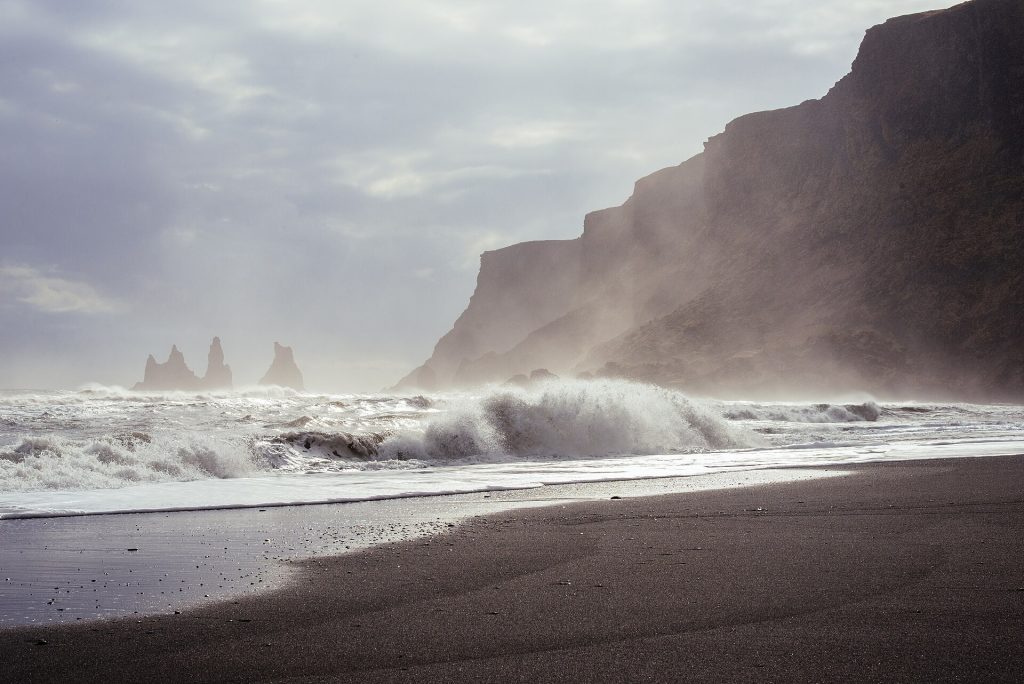
Reynisfjara is known for dark sand, basalt formations and powerful sea conditions. Treat it as a viewing landscape, not a swimming beach. Unpredictable waves can surge much further inland than earlier waves suggest. Follow warning systems, barriers and current access restrictions, and stay well away from the water.
Dyrhólaey offers a different coastal perspective when access and conditions permit. Routes can be affected by weather and seasonal wildlife protection, so check the day’s arrangements. Never cross a closure to recreate a photograph, and keep a safe distance from cliff edges.
Glacier experiences and longer journeys
If walking on a glacier or visiting an ice feature is a priority, choose an appropriate specialist operator and inspect the itinerary, equipment, physical demands and cancellation conditions. A roadside view of ice does not make independent access safe.
Do not enter ice caves or venture onto a glacier without the qualified guidance and arrangements appropriate to the activity. Conditions and safe locations change. The operator’s current assessment matters more than an image from a previous season.
Skaftafell and Jökulsárlón lie much further east than Vík. They can belong in a longer South Coast trip, but adding them to a five-day introduction increases driving substantially. Give them additional nights rather than making the final return to Keflavík an endurance exercise.
Geothermal bathing: choose a managed experience
Geothermal warmth does not mean every steaming area is suitable for bathing. Designated pools and managed baths offer a different experience from active geothermal ground. Choose according to facilities, location, age policies and the pace you want.
A municipal pool can be an accessible introduction to everyday bathing culture; a larger spa may suit a special occasion. Check booking arrangements, changing facilities and what the price includes. Follow local washing and pool etiquette rather than assuming swimwear rules are identical everywhere.
For any natural bathing route, verify current access and conditions before setting out. Walking effort, weather and changing ground conditions belong in the decision, not just the photograph of the water.
Where to stay along the route
Reykjavík is practical for a city break, guided day tours and a trip where you prefer not to drive. Choose a location that supports your actual pickups, meals and walking routes, checking noise and parking if relevant.
Selfoss, Hella or Hvolsvöllur can serve different parts of a southern route, while Vík supports time further east. Rural guesthouses provide another setting but may be well away from shops or dinner options. Check the actual address, arrival conditions and food arrangements before booking.
Our Iceland accommodation comparison explains when to move bases. For a short trip, a small number of sensible stops is better than either repacking every day or repeatedly driving the same long road back to the capital.
Self-drive or guided travel?
Driving provides flexibility when conditions, your experience and the rental terms support the route. It also makes you responsible for responding to wind, ice, closures and fatigue. A four-wheel-drive vehicle is not a substitute for judgement or permission to enter a restricted road.
Guided tours can suit travellers who prefer not to manage those decisions, particularly for winter outings or specialist activities. Compare actual stops, group size and time outside the vehicle. A long list of attractions can mean very short visits to each one.
For independent travel, read car-rental and road-safety basics before choosing the vehicle. Check official road conditions, the weather service and SafeTravel alerts close to each departure. Conditions can change after you leave the accommodation.
Seasons change the trip, not just the packing
Summer’s long daylight makes outdoor time more flexible, but it does not guarantee calm or dry weather. Keep the driving day reasonable instead of using every light hour to travel further. Fatigue still matters when darkness arrives late.
Winter brings limited daylight, ice and a greater chance of disruption. Reduce the geographical ambition, keep outdoor visits within comfortable hours and accept that a road-based plan may need to change. A short winter visit can work better with guided outings and fewer overnight moves.
Northern lights require darkness and suitable conditions; they are never guaranteed. Do not drive tired or ignore a warning because an aurora forecast looks promising. A safe night near your base is preferable to chasing an uncertain sight over unfamiliar roads.
Food, supplies and practical spending
For local food, look for fish, lamb, dairy products such as skyr and regional baking alongside the capital’s international restaurants. You do not need to order unfamiliar preserved foods to make the trip culturally worthwhile. Ask about preparation and accompaniments, particularly if dietary requirements limit your choices. A bakery breakfast, a grocery picnic and one considered dinner can give the day variety without requiring several restaurant stops. Outside Reykjavík, inspect the next day’s meal options before leaving a town with shops, especially when staying in a rural room with limited facilities.
Choose clothing that can handle both a city walk and a wet waterfall stop, with a dry spare layer kept accessible. The useful distinction is between being prepared to enjoy ordinary conditions and using equipment to justify going somewhere unsuitable. Waterproofs make spray more comfortable; they do not remove the need to respect an icy path closure.
Mix restaurant meals with grocery shopping where it suits your accommodation. Check whether a guesthouse actually offers a kitchen, whether breakfast begins before your planned departure and where you can eat in the evening. A scenic rural room can require advance dinner planning.
Carry drinking water, snacks and suitable layers for ordinary outings, keeping fuel or charging comfortably planned before longer legs. Stop only where it is safe and permitted; a memorable roadside view is not a reason to brake in the traffic lane.
Our five-day South Coast road trip uses a limited eastward reach and returns west before departure. It provides a starting framework, not a promise that every stop will be accessible. Let conditions and the comfort of your group determine what you actually do each day.