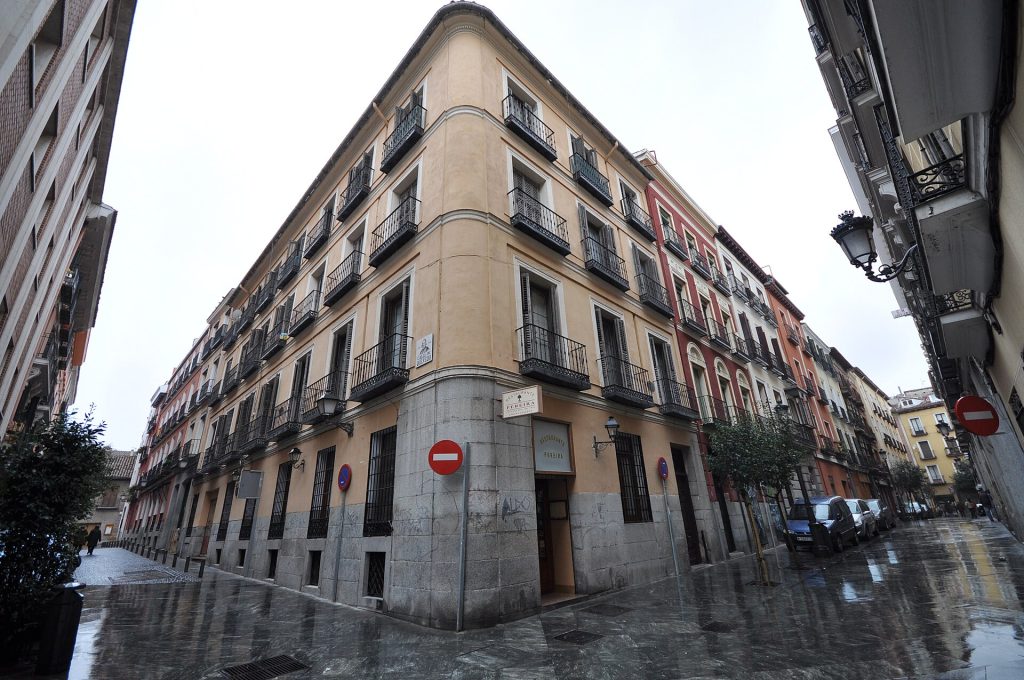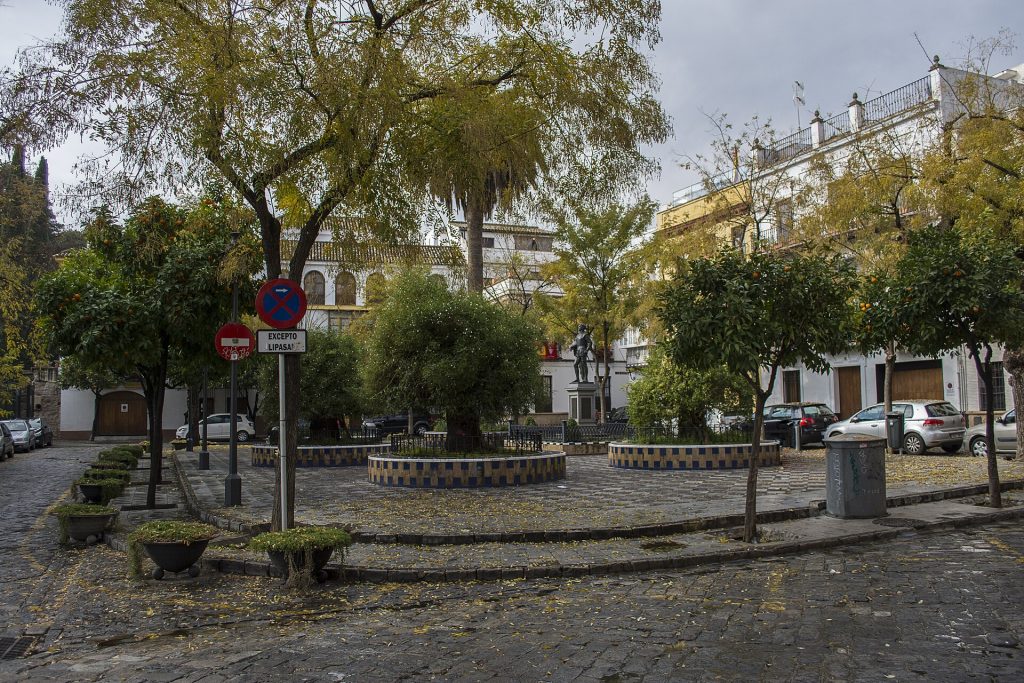
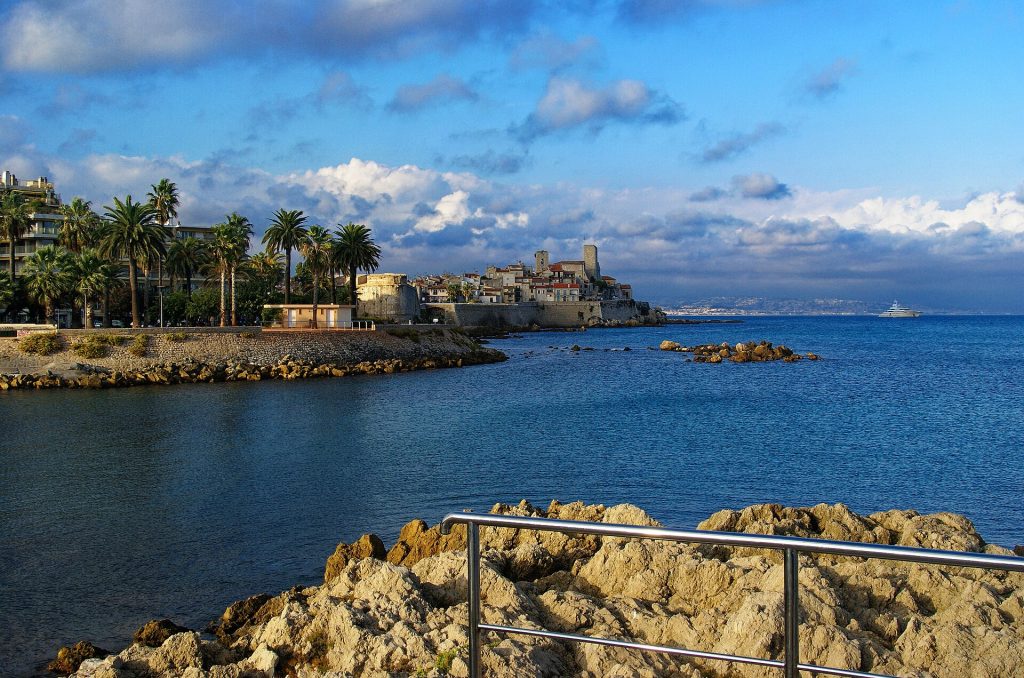
Nice, Cannes and Antibes offer different versions of a Riviera stay. Nice is the most flexible city base, Cannes suits a beach-and-dining holiday, and Antibes balances an old town with access to sand. Choose by the places you expect to visit repeatedly, especially your evening surroundings and preferred beach.
Compare the bases
| Base | Strongest fit | Everyday advantage | Check before booking |
|---|---|---|---|
| Nice | First visits, museums, eastern day trips | Broad transport and dining choices | Pebble beaches, road noise, station distance |
| Cannes | Sandy beaches, shopping, resort atmosphere | Central beach-and-restaurant routine | Event dates and public beach access |
| Antibes | Old-town evenings, mixed beach holiday | Compact historic centre | Exact beach, station walk and stairs |
For a trip of less than a week, one base normally avoids unnecessary packing. All three connect to the coastal railway, but accommodation several streets or hills from a station can change the usefulness of that connection.
Nice: the most adaptable choice
Choose Nice if the itinerary mixes art, old-town wandering, local food and trips towards Monaco or Menton. It feels like a substantial city, with enough alternatives when beach weather disappoints.
The old town puts restaurants and narrow historic streets close at hand. It also brings evening activity, deliveries and buildings where lifts may be absent or small. Ask about your room’s position and the approach with luggage. An attractive façade says little about the staircase inside.
Central streets between the seafront and Nice-Ville station suit travellers using trains regularly. They offer a practical balance, although a station-adjacent room should be assessed for traffic, room condition and the streets you will use at night.
The port and Garibaldi area suit visitors who like a neighbourhood dining routine and tram access. Promenade accommodation appeals for sea views, but check the road between the property and beach. Nice’s pebbles are another deciding factor: families expecting soft sand may prefer a different base.
Cannes: organise the stay around the beach
Cannes makes sense when your ideal day involves swimming, a relaxed lunch and dinner within walking distance. The central station is useful for outings, while the Croisette, harbour and Le Suquet provide contrasting settings for evenings.
Look at the specific beach nearest the property. Some stretches include paid facilities, and a hotel photograph showing loungers does not establish that access is included. Ask about beach charges, operating seasons and the public alternatives.
Le Suquet offers character but involves gradients and steps. Central streets closer to the seafront can simplify daily walking, with different noise and price trade-offs. A sea-facing room may cost substantially more than a comparable room a few streets inland.
Check major event dates before comparing rates. Festivals and conferences can affect availability, crowds and minimum stays. If you are not attending, paying an event premium may bring little benefit; Antibes or Nice could offer a better overall stay.
Antibes: choose between town and beach routines
Old Antibes suits travellers who value a compact centre, market shopping and evenings among historic streets. The harbour and ramparts provide an appealing walking circuit, with beaches accessible around different sides of the town.
The old centre is not identical to Juan-les-Pins. The latter has a more beach-oriented atmosphere, with its own station and nightlife considerations. Book in the part that matches your likely daily routine rather than assuming the two names describe one interchangeable location.
For families, compare the route to a suitable sandy beach, the availability of shade and the return walk after swimming. Small apartments can work well, but check whether air conditioning reaches the sleeping area and whether a sofa bed leaves room for luggage.
Cap d’Antibes accommodation may offer a quieter setting at the cost of convenience. Without a car, confirm actual bus options and evening returns before choosing a property whose appeal depends on landscaped grounds or a distant sea view.
Match the booking to your travellers
For travellers relying on trains after dinner, accommodation within the town centre can be worth more than a room with a larger balcony further out. Check whether your preferred restaurants are actually within a comfortable walk. A base that needs a transfer for every evening meal creates a different holiday from one where going out is spontaneous.
For a first visit with equal interest in beaches and excursions, make a list of three likely outings and compare the door-to-station walk in each base. That simple exercise often settles the choice more clearly than photographs. A scenic address can be worth the extra travel, provided you choose it knowingly.
For frequent excursions, prioritise a manageable station walk. For limited mobility, ask about the complete entrance-to-room route, not just whether a lift exists. For a summer stay, confirm cooling and whether it is individually controlled.
Compare the total including breakfast, parking if needed, local taxes and any beach access you intend to use. A kitchen only saves money if you plan to shop and cook; a pool only adds value if its season and hours suit your trip.
Use the French Riviera guide to choose your sightseeing priorities, then test each property’s location against them. The best base is the one that makes your ordinary holiday day easy, rather than the one with the most famous address.