Tenerife is easier to understand as several landscapes sharing one island than as a single beach destination. The dry southern coast, greener northern towns and high volcanic interior offer different experiences, often within the same week. Choose a base for the days you want most, then use selected outings to see the contrasts without spending the holiday crossing the island repeatedly.
A week gives you time for the coast, Teide and a northern town or rural area. Three or four days calls for more selectivity. The island’s shape, gradients and winding roads mean that a short distance on a map can still become a substantial journey.
Choose your version of the coast
The south: straightforward holiday logistics
The established southern resort areas suit travellers who want accommodation, restaurants and coastal outings close together. This can work particularly well for families or anyone who prefers to make a few deliberate excursions rather than drive every morning.
Los Cristianos, Costa Adeje and nearby areas are not identical. Compare the immediate setting, the beach approach and the walk to meals before choosing a property. A broad resort label does not tell you whether you face a steep return from the promenade or a busy evening strip.
The south is useful for a beach-led stay, but it should not become the automatic starting point for every northern outing. Group distant sights geographically and leave some days genuinely local.
The north: towns and a different landscape
Puerto de la Cruz and the surrounding north provide another balance of town life, gardens and coastal scenery. The setting generally feels different from the drier south, with the Orotava Valley and its cultivated slopes adding another layer to the trip.
The coast is not uniformly calm or sandy. Choose a specific swimming location according to conditions and available facilities rather than assuming every seaside address offers an easy beach. Weather can vary between districts, so be prepared to change the day’s emphasis.
Our north-versus-south accommodation guide compares the practical trade-offs. A split stay can make sense for a longer visit, but changing rooms halfway through a short break may create more work than it saves.
Teide: plan an upland day, not a beach detour
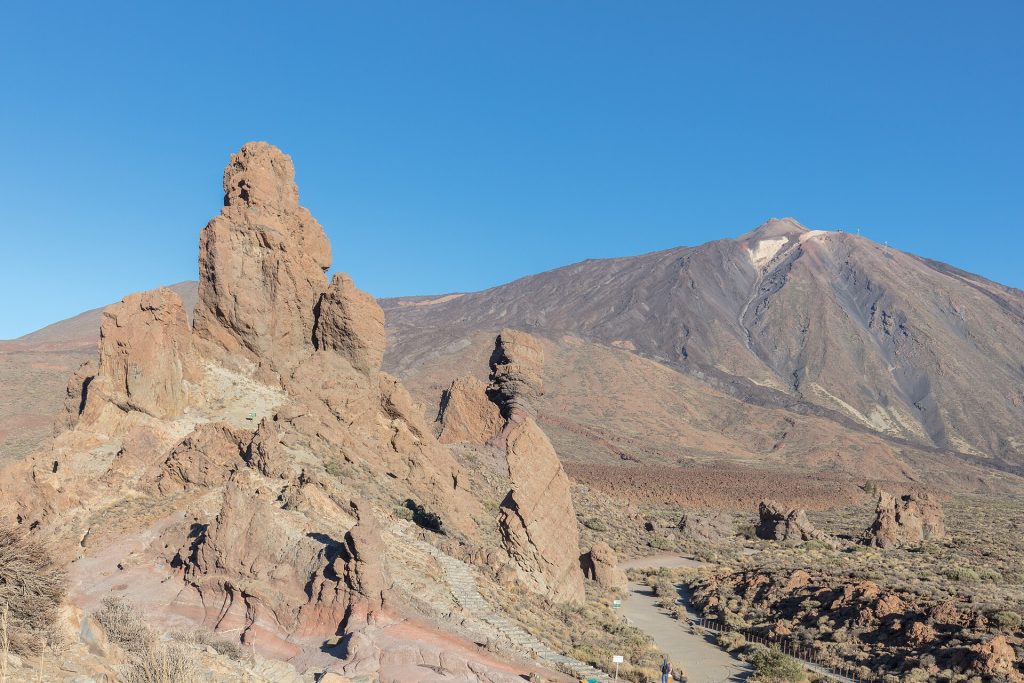
Teide National Park introduces a high volcanic landscape that feels far removed from the coastal resorts. Lava formations, broad caldera scenery and the mountain’s scale make it worthwhile even if you have no intention of reaching the summit.
Choose the activity before choosing the transport. A road-based visit with selected viewpoints, a properly researched trail and a cable-car outing have different demands. None should be treated as an interchangeable way to spend a spare hour.
Altitude, sun, wind and temperature changes deserve attention. Carry appropriate layers and water, and do not infer conditions at the park from the temperature outside a coastal café. For any walk, check the current access requirements and whether the route suits the group’s experience.
Summit access and other controlled routes can require separate permission or reservations. A cable-car ticket does not automatically settle every hiking requirement. Our Teide area guide explains how to choose a manageable visit without making the summit the only worthwhile goal.
La Laguna: a town day away from the resorts
San Cristóbal de La Laguna offers historic streets, architecture and a different urban setting from the southern coast. It makes a useful cultural anchor for a day that does not revolve around the beach or a long mountain hike.
Explore a compact part of the centre, choose a church or cultural visit if it interests you and leave time for a meal. The appeal is partly in the streets and their everyday use, so you do not need several admissions to make the outing substantial.
If combining La Laguna with another area, choose carefully. Anaga is geographically tempting, but a demanding trail and a full town visit can compete for the same daylight. Decide which is the main purpose and reduce the other accordingly.
La Orotava and Puerto de la Cruz
La Orotava provides a different northern town setting, with historic buildings and valley views. Its gradients matter: a leisurely-looking street circuit may still involve an uphill return. Choose shoes and a route that suit the group rather than following every staircase because it appears on a tourist map.
Puerto de la Cruz can complement the visit with a waterfront walk, garden interest or a meal. The pairing works when you allow time to enjoy both rather than treating each as a brief stop between long drives.
For anyone staying in the south, this is a good example of an outing worth grouping. A separate return on another day just to revisit a nearby town can add unnecessary road time. For a northern base, spread the visits more slowly and leave room for ordinary local mornings.
Anaga and the rural northeast
Anaga brings wooded slopes, ridgelines and villages into the itinerary. It is a useful contrast to Teide’s more open volcanic scenery, but the roads and walking routes require their own planning.
Choose a specific viewpoint or trail and understand its terrain before departure. A short forest walk is not the same undertaking as a descent towards a remote village or coast. Check route access where controlled, carry what you need and avoid relying on a phone map alone for an unfamiliar mountain outing.
Cloud and rain can change both visibility and comfort. If the day’s conditions do not suit your plan, La Laguna or another town-based visit may be a better use of the time than continuing towards an outlook hidden in cloud. Flexibility is particularly useful here.
Western villages and dramatic roads
The western side offers another reason to leave the resort routine, with places such as Garachico and the landscape around Masca providing different scenery. These should be chosen as deliberate outings rather than added automatically to an already long island circuit.
Masca’s setting attracts attention, but the approach involves winding roads and limited space. Drivers need to be comfortable with the conditions and use permitted stopping places. A village view does not require committing to a demanding gorge walk, which has its own arrangements and requirements.
Garachico offers a town-focused alternative with coastal scenery and history. If you want to swim, check current conditions and local access rather than assuming a natural pool is always safe or available. Ocean exposure changes the practical meaning of a picturesque waterfront.
Beaches, pools and the Atlantic
Choose swimming places for their actual characteristics: sand or stones, steps, shelter, lifeguarding where available and the route back to your room. A smaller child, a confident swimmer and someone who dislikes uneven access may need different beaches.
The Atlantic requires respect. Follow flags and local instructions, and avoid assuming that a sheltered-looking pool or cove is unaffected by swell. If conditions are unsuitable, a promenade walk or another activity can preserve a pleasant day without forcing a swim.
Our Tenerife family guide looks at easier combinations of coastal time and short outings. The same principle works for adults too: convenient access and a comfortable place to stop often matter more than reaching the most photographed beach.
Food and a less hurried island day
Local potatoes with mojo, fish and other Canarian cooking give you useful reasons to plan a seated lunch outside the resort routine. Ask about the preparation and accompaniments rather than expecting every menu to follow one standard format.
In rural areas, check whether a particular venue is operating on the day you intend to visit. A place recommended for a traditional meal may keep a limited schedule or serve a narrower selection than a large coastal restaurant.
Avoid attaching a long drive immediately to a meal you want to enjoy slowly. Either choose lunch along the main route or shorten the afternoon outing. The island’s variety is more rewarding when it does not turn every day into a succession of departures.
Getting around and organising a week
A car adds flexibility for varied inland and rural outings, while a resort-based stay with selected organised excursions can work without daily driving. Compare the journeys you actually need before paying for a vehicle throughout the holiday.
Check which airport your flight uses and the full transfer to your base. Tenerife North and Tenerife South are separate airports, so a convenient-looking flight can create a different arrival journey from the one you expected.
For a first week, combine local coastal days with one Teide outing, one northern town day and perhaps one rural or western excursion. Our seven-day road trip groups those choices, leaving space to move weather-dependent activities rather than locking every day to a different distant corner.
Final choices before booking
Choose the accommodation setting, transport plan and main activities together. A quiet hillside property may require driving for dinner; a central resort address may make ordinary days easier but add road time to the north. Neither is inherently better if it supports the trip you want.
Keep high-altitude and exposed outdoor plans flexible, reserve controlled experiences through the relevant official service and leave a simpler alternative. Tenerife’s strongest first visit is not the one that reaches every corner, but the one that gives its very different landscapes enough time to register.
A useful alternative to an island circuit
Santa Cruz can provide a city-focused outing when your group wants shops, a cultural venue or a different meal setting rather than another scenic road. Choose one interest and explore the surrounding streets instead of treating the city as a brief detour between La Laguna and a distant coast.
For walkers, Tenerife also rewards staying longer in one region. Replace a driving day with a properly selected local route rather than adding a hike on top of the road-trip programme. Check the precise trail and return before setting out, especially where a village-to-coast descent would leave you needing transport back uphill.
The same principle applies to a quiet day near your room. Repeating a beach or promenade you enjoyed can make the week feel more like a holiday and less like an inspection of every landscape. Variety matters, but it should leave room for the places that suit you best.