Cartagena, in southeastern Spain, makes a compact cultural break with more layers than its size initially suggests. The Roman Theatre is the obvious anchor, but naval history, archaeological remains and Modernista façades give the streets between the major sights a purpose of their own. The port provides an open setting for a walk and a meal after a museum morning.
Allow two days for a comfortable introduction. One full day can cover a few central highlights, while a longer stay gives you room for the surrounding coast. Do not confuse sleeping in the city with staying at a beach resort elsewhere in the municipality: both can make good holidays, but they create different daily journeys.
Understand the city and port
The old centre sits immediately behind the waterfront, with hills shaping the streets and archaeological sites. The Town Hall and the Roman Theatre Museum area provide a useful starting point, while Calle Mayor and nearby pedestrian streets lead into a wider walk through the commercial centre.
Many central sights are close enough to group on foot, but uphill viewpoints and sites beyond the core should be treated separately. You do not need a car for every museum stop. If you bring one for the wider coast, arrange parking and explore the centre without repeatedly moving it.
Our weekend itinerary divides the principal visits into two manageable days. It also keeps the naval collection and archaeological visits distinct, which matters when their opening days differ.
Make the Roman Theatre a proper museum visit
The approach is part of the experience
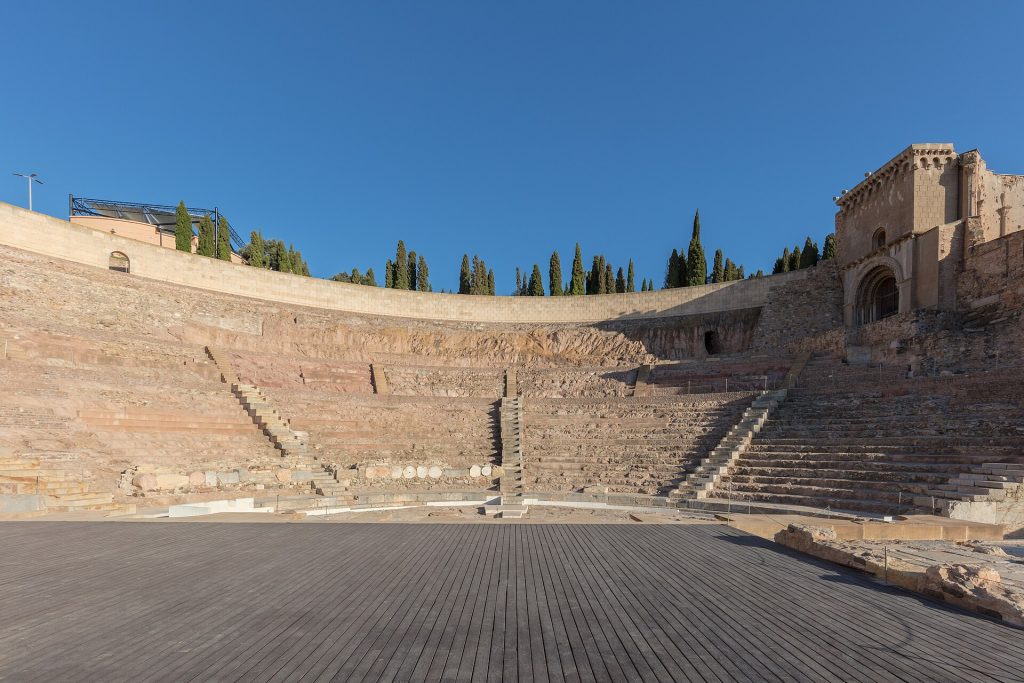
The Roman Theatre Museum explains the site’s history and recovery before bringing you towards the remains themselves. It is not simply a gate through which you pass to reach a photograph. Give the exhibits enough attention to understand why this theatre sits within a much later city.
The building’s sequence provides a useful introduction to Cartagena’s layers: recovered objects, interpretation and the transition into the archaeological space connect the visit. Looking at those relationships is more rewarding than rushing through the rooms to reach the final outlook.
Plan the outdoor part
The theatre setting involves exposure and historic surfaces, so choose footwear and timing accordingly. In warm weather, bring water and avoid assuming the entire visit is an indoor museum experience. Ask about the appropriate route if access needs matter.
Check the museum’s official visitor information before arranging the day, especially around Mondays, shorter opening periods and holidays. If arriving on a cruise or with a fixed onward connection, leave enough time for entry and the return walk rather than using the whole interval as sightseeing time.
Follow Roman life beyond the theatre
The Roman Forum Museum and the remains around the Molinete add a different perspective: urban life, public spaces and the working texture of the ancient city rather than performance alone. This is a worthwhile second archaeological focus if you want more than one major Roman visit.
Choose it deliberately rather than buying a multi-site product solely because it includes many names. Two substantial archaeological visits in one day may suit an enthusiast but tire a mixed family group. Split them across the weekend when possible.
The Punic Wall offers another historical layer, while other interpretation sites can broaden the story further. Check the current scope of individual admissions and combined products before purchasing. A pass is useful only when you genuinely have time and interest to use what it includes.
Naval history and Isaac Peral
The Naval Museum reflects a continuing relationship between Cartagena and maritime activity. Its collections cover subjects such as navigation, shipbuilding and the navy’s presence in the city, providing a useful contrast to the Roman sites.
The Isaac Peral space presents the submarine and material related to its inventor. Plan it as part of the museum’s current visitor arrangement rather than expecting the submarine to stand outdoors along the promenade. Older images can give the wrong impression of where and how it is displayed.
Check the official museum information for the particular day and the Peral space as well as the main collection. Their arrangements should not be inferred from another museum’s schedule. Our guide to the theatre, Naval Museum and old-town walk explains how to combine them without relying on a single universal opening day.
Walk the old town for its later architecture
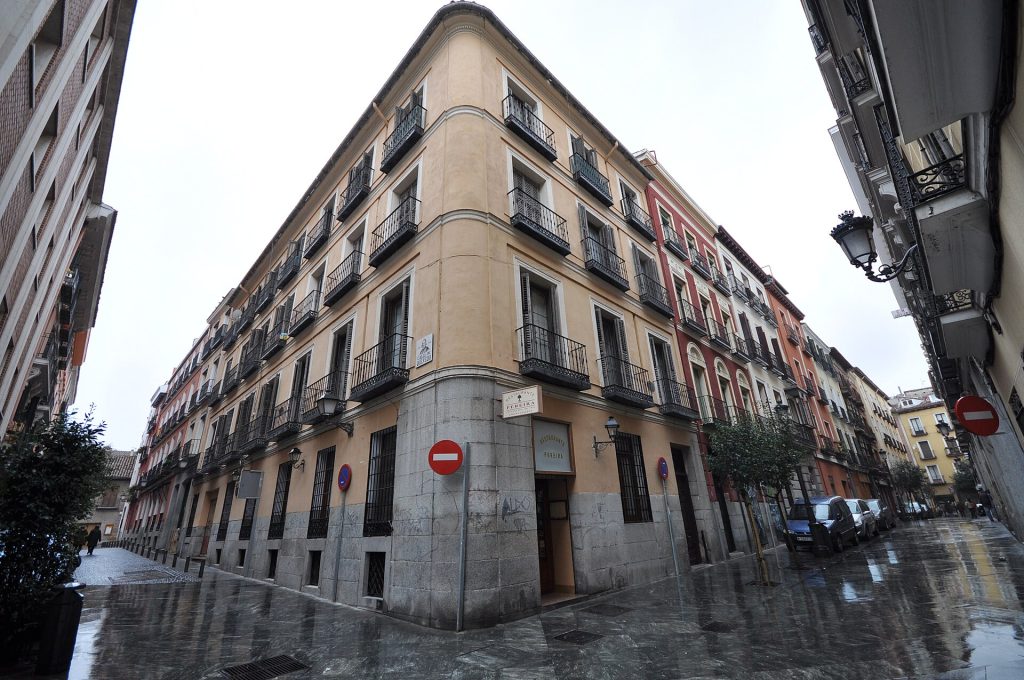
Calle Mayor and the surrounding central streets offer façades that connect Cartagena with its later commercial prosperity and Modernista architecture. Look up as well as along the shopfronts, but stop where you can do so without blocking other pedestrians.
The Town Hall gives the waterfront end of the walk a clear architectural focus. Other buildings may be private, institutional or open only under particular arrangements, so distinguish appreciating the exterior from having a right to enter.
This is a useful flexible outing between museums. Choose a few streets, stop for coffee and leave time to notice a façade that interests you. It does not need to become a compulsory tour of every celebrated building in order to add depth to the visit.
Views from the hills
Cartagena’s hills help explain both the ancient city’s position and the port’s setting. A visit towards the Concepción hill can give useful orientation when the access and conditions suit your group. Decide whether you want a viewpoint, an interpretation visit or both before choosing the route.
The climb is additional activity, not a free extension of a level old-town stroll. Check the current options for getting up and down, especially if you are relying on a lift or another particular facility. A transport aid operating normally on another day is not a guarantee for your visit.
Avoid forcing a hill outing into the hottest part of an already demanding day. The waterfront provides another way to appreciate the setting when you would rather keep the walk gentler.
Make time for the waterfront
The port-side walk offers open space and a different outlook after enclosed streets and museum rooms. Choose a section near the central city, then stop for a drink or meal rather than assuming the entire harbour perimeter is a visitor route.
Cartagena remains a working port with operational and restricted areas. Follow signed public paths and do not treat industrial, naval or secured facilities as extensions of the promenade. Boat activities, where available, have their own operating and weather conditions.
The waterfront also helps make a short stay feel less hurried. An unbooked interval here can absorb a longer museum visit or a meal that takes more time than expected, without creating a chain of missed reservations.
Food and everyday stops
Regional rice dishes, seafood and other Murcian cooking can shape a satisfying lunch, but choose the venue by its actual menu rather than expecting every central restaurant to specialise in the same dishes. Ask about minimum portions and preparation time when a rice meal is the priority.
The local café asiático is a different kind of stop: a coffee preparation that commonly includes alcohol. Ask what is in the version being served rather than treating it as an ordinary milky coffee, especially if you avoid alcohol or need to drive afterwards.
For a museum-heavy day, a seated lunch provides a useful pause. Keep some meals near the day’s route instead of travelling across the municipality for a merely adequate recommendation. On the coast, check the return journey before turning lunch into a longer evening.
Choose a coastal outing separately
Cala Cortina is the straightforward nearby beach possibility for many city visitors, but it is not simply a continuation of the central promenade. Plan the journey and access rather than assuming you can step from the old town directly onto the sand.
La Azohía and other western coastal settings offer a more substantial change of scene, while Calblanque lies in a protected landscape with its own access arrangements. Each deserves a distinct plan. Trying to visit several beaches between city admissions usually means more time moving than enjoying the coast.
Our beaches near Cartagena guide compares the options. Use it to choose the kind of afternoon you want rather than collecting as many coastal names as possible.
Where to stay
Central accommodation is the strongest starting point for a short history-led visit. You can walk to several sites and return for a break without driving. A room near the station side may suit rail or coach arrivals, provided the actual walk to the old core works for you.
Coastal accommodation makes more sense when swimming and seaside meals are daily priorities. It should not be booked as though every beach-area property were simply another city-centre address. Check the journey to the Roman Theatre and the return after dinner.
Our Cartagena accommodation comparison explains the differences. Compare parking, cooling and bedroom orientation alongside the rate; a useful base should support your whole stay rather than one attractive photograph.
How long to allow and when to come
One day provides a focused introduction built around the theatre and a central walk. Two days lets you add naval history, another archaeological site and a more relaxed meal. A third gives space for a coastal outing without using the museum days as transport buffers.
Mild-weather periods suit city walking, while summer calls for earlier outdoor sections and an indoor break. The coast adds options, but sun and wind still need to shape the plan. Check the forecast and current access arrangements for the outing you actually choose.
For a first visit, resist the idea that a compact city must be completed quickly. Cartagena’s value comes from the connections between Roman remains, later streets and a continuing port identity. Leave enough time to see those connections, not only the individual attractions.