The Roman Theatre, Naval Museum and old-town streets introduce three complementary sides of Cartagena: ancient performance space, maritime history and the later commercial city. They are close enough to combine with walking, but their opening arrangements need to guide the order rather than a fixed route copied for every day.
For a comfortable outing, choose a morning when both museums are open, give each enough attention and use the street walk as the flexible interval. With only a short visit, choose one museum rather than rushing through two.
Roman Theatre Museum: follow the full sequence
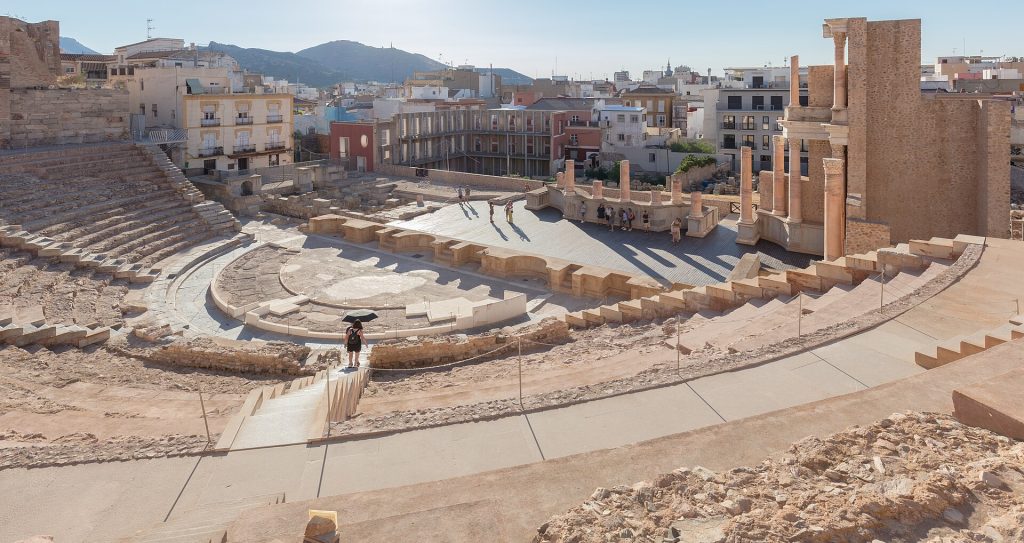
The museum explains the theatre’s discovery, history and recovery before leading you towards the archaeological site. That progression matters. Objects and interpretation help make sense of the remains instead of leaving them as an impressive shape viewed without context.
Take time in the rooms rather than heading directly for the end. The relationship between the theatre and later buildings is part of Cartagena’s story, showing how the ancient city sits within a much newer urban fabric.
Practical planning
Check the official visitor information for your date. Mondays, Sundays and seasonal schedules should not be assumed to match a normal full opening day.
The archaeological section includes outdoor exposure and changing surfaces. Wear suitable shoes, bring what you need for the conditions and ask about the appropriate access route if stairs or uneven ground are difficult. An indoor museum entrance does not mean the entire experience takes place on an identical level surface.
Naval Museum: give the collections a focus
The Naval Museum reflects Cartagena’s long connection with maritime activity and the navy. Subjects such as shipbuilding and navigation provide a different historical perspective from the theatre, making it a useful second visit rather than more of the same archaeology.
Choose a theme to follow if the collection feels broad. Looking carefully at a group of objects or a technical story can be more rewarding than trying to read every label with equal attention.
The Isaac Peral space
The submarine and associated material give the museum a particularly clear engineering focus. Do not expect the old outdoor waterfront display seen in some photographs: plan for the current museum setting and check the arrangements for this space separately where relevant.
The official Defence heritage information is the place to confirm access and current visitor details. Avoid leaving the naval visit to the end of a day without checking, because its schedule may be more limited than that of other city attractions.
Connect the museums through the central streets
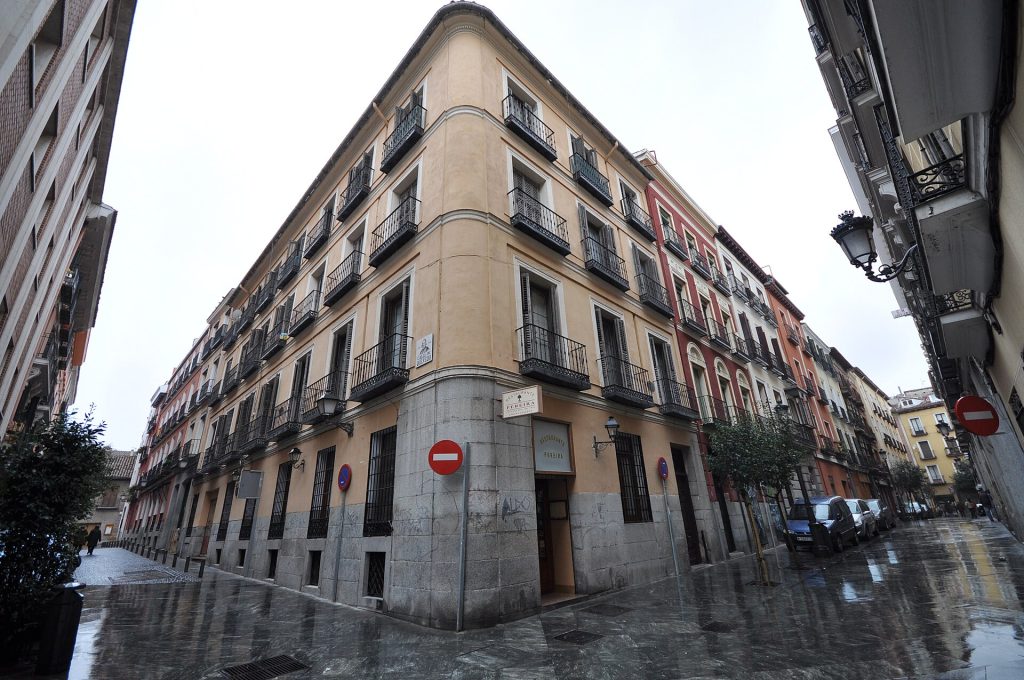
The Town Hall area provides a useful architectural focus near the waterfront. Continue through Calle Mayor and nearby pedestrian streets for later façades and everyday commercial life, adjusting the loop to your museum order.
Look at balconies, window details and the upper parts of buildings, not only the shopfronts. Stop in a suitable place before taking photographs, and remember that a notable façade does not establish public access to the interior.
This is the part of the outing to keep unbooked. A café stop, a shop or a building you want to examine can lengthen it without making you late for another unnecessary admission.
Add a proper meal break
Choose lunch according to where you finish the morning rather than crossing the city for an ordinary meal. A seated break is especially useful after two museums, when much of the time has been spent standing.
If you want a regional rice dish, ask about available preparations, minimum portions and waiting time. For a quicker meal, sharing plates let you order gradually. Do not assume every terrace by the port offers the same menu or value.
Families may prefer to separate the museums with lunch and rest, while enthusiasts can give one collection a longer morning and keep the other shorter. The route should suit the group’s attention span, not a predetermined number of objects.
Finish at the waterfront
A central port-side walk gives the outing a more open ending. Keep to public paths and distinguish visitor spaces from operational harbour and naval areas. You can enjoy the setting without trying to follow every quay.
If you want a higher outlook, check the route and facilities towards the Concepción hill before adding it. That is a separate climb or transport decision, not an invisible extension of a level street walk.
Our two-day Cartagena itinerary spreads the main experiences across a weekend. For a shorter visit, keep the museum most relevant to your interests and let the old town and waterfront complete the day; the city remains worthwhile without every admission on the same ticket list.