Valencia is a good choice when you want a city break with room to change pace. You can spend a morning among old-town streets, walk through the former riverbed’s gardens and finish another day beside the Mediterranean. The City of Arts and Sciences adds a striking architectural setting, but it is only one part of a city whose markets, neighbourhoods and food deserve equal attention.
Allow three full days for a first visit that includes both city and coast. Two works if you narrow the choices; a fourth lets you explore more slowly or add an outing beyond the centre. Choose accommodation according to whether you want to spend most evenings in town or by the sea, because those are different bases.
Understand the city’s three main areas
Ciutat Vella, the old town, contains the cathedral district, Central Market and the Silk Exchange. Its streets make a natural walking area, with squares and cafés providing useful pauses between visits. Ruzafa lies outside the old core and is another possible focus for meals, shops and evening time.
The Turia Gardens occupy the former riverbed, creating a long green corridor through the city. The City of Arts and Sciences sits towards its eastern end. Further towards the coast, the maritime neighbourhoods and beaches create a different setting from the historic centre.
Do not try to connect all three areas on foot simply because the map looks continuous. Walk within each cluster, then choose transport when moving between them. Our three-day Valencia itinerary separates the main outings so you can enjoy the journey without making it the whole day.
Begin in Ciutat Vella
Cathedral streets and squares
Start around the cathedral and nearby squares, then explore a few smaller streets instead of immediately heading for the next landmark. This part of Valencia is best approached at walking pace, with time to notice how older buildings sit alongside ordinary shops and homes.
If you want to enter the cathedral or climb its tower, check the exact access arrangements and decide whether the additional exertion suits your group. A tower can offer useful orientation, but it is optional rather than the standard by which to judge a successful visit.
Leave room for a seated stop. A short coffee break can make a second cultural visit much more rewarding than pushing through until lunch while tired.
Silk Exchange and Central Market
The Gothic Silk Exchange, La Lonja de la Seda, is one of the strongest architectural reasons to visit the old town. Its trading history adds context to the building, while the hall’s columns make an immediate visual impression. Allow time to look at the space rather than using it only as a quick photographic stop.
Central Market is close enough to combine naturally with the same outing. It is a working food market, so come with an interest in the produce as well as the building. Individual stalls have their own arrangements, and an evening walk past the market is a different experience from browsing during trading hours.
Buy something if it appeals, keep circulation routes clear and ask before photographing people closely. If a particular stall or meal is important, check its opening rather than relying on a general market description.
El Carmen and the old-town edges
Continue towards El Carmen if you want more neighbourhood walking, small streets and a different evening atmosphere. The old town rewards selectivity: choose a few streets and squares rather than attempting to turn every lane into a compulsory route.
This is also a useful place to think about your preferred travel rhythm. If you enjoy returning to historic streets after dinner, Ciutat Vella may be the right accommodation base. If the evening activity appeals mainly for one outing, you can visit without sleeping directly above it.
Use the Turia Gardens as an outing
The Turia Gardens follow the former course of the river through Valencia. They are more than a convenient green line on a map: paths, planted sections and recreation spaces make them worth setting aside time for.
Choose a stretch near your other plans rather than trying to cover the entire corridor. A shorter walk with a bench break is often more enjoyable than a long end-to-end march. Families can make room for a play stop, while anyone cycling should take care around pedestrians and follow the designated arrangements.
Access between street level and the gardens varies by location. If travelling with a buggy, wheelchair or tired legs, identify suitable entry and exit points before descending. The next bridge may look close, but getting back to the street can change the actual route.
In warm weather, shade and water still matter. A garden setting does not eliminate exposure, especially on open paths. Treat the walk as part of the day’s activity rather than adding it invisibly between two demanding visits.
Choose your City of Arts and Sciences experience
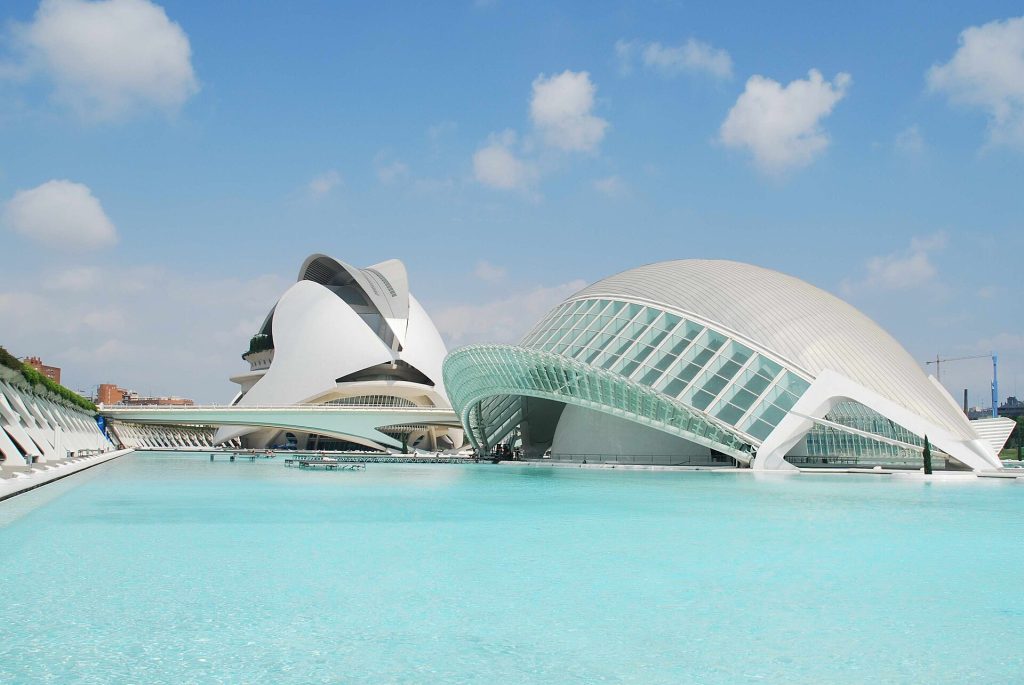
The complex combines dramatic architecture with several distinct cultural and visitor venues. You can appreciate its exterior spaces without buying admission to every building. The main decision is whether you want an architectural walk, an interactive museum visit, a screening or a substantial aquarium outing.
The science museum is the natural starting point for hands-on exhibits. The Hemisfèric is a projection venue, so the programme, language options and screening time matter more than the appearance of the building alone. The Oceanogràfic is a separate attraction that deserves a substantial block of time if it is a priority.
Avoid buying the broadest combined ticket before deciding how long you want to spend there. A full day devoted to the complex can be worthwhile, but it is a different trip from briefly seeing the architecture before moving on. Our practical visiting guide helps you choose a realistic combination.
Give the coast its own afternoon
Valencia’s urban beaches are far enough from the old centre to deserve a separate plan. Choose a promenade walk, a meal and time on the sand rather than fitting in a rushed beach visit between city reservations.
The maritime districts, including El Cabanyal, add streets and everyday life beyond the beach itself. Explore respectfully: people live here, and attractive façades are not invitations to intrude into entrances or photograph residents without consideration.
At the waterfront, check conditions before swimming and keep valuables attended. In cooler months, the coast still works for a long walk and lunch even when a day on the sand is less appealing. If sea access is your main reason for coming, stay nearby; if not, visiting from a central base is a practical alternative.
Eat with a little intention
Paella is an obvious interest, but the useful question is what the restaurant actually cooks and when. Ask about the rice dishes available, minimum portions and preparation time. A carefully planned lunch is a better setting for a meal you particularly want than a late decision made while hungry between attractions.
Traditional paella valenciana is not simply another name for seafood rice. Menus offer different preparations, and understanding the choice is more useful than assuming every pan should contain the same ingredients. Check directly if you have dietary restrictions, including ingredients in stock and garnishes.
Horchata, made from tiger nuts, and fartons provide a different kind of local stop. Try them when a break fits naturally rather than adding another destination to a crowded itinerary. Ruzafa and the old centre offer plenty of possibilities for other meals, but the neighbourhood label alone does not establish quality or value.
How many days to spend
Three days lets you give the old town, the gardens and cultural complex, and the coast distinct blocks of time. If you have two, choose between a substantial indoor visit at the City of Arts and Sciences and a longer beach outing, or keep both deliberately brief.
Four days creates room for additional cultural interests, slower mornings or a properly planned excursion. Do not count every hour between flights as sightseeing time: getting to your room, storing luggage and returning to the airport all reduce the usable day.
For families, the extra time can be more useful as rest than as another attraction. A flexible afternoon often improves the entire trip more than a longer list of admissions.
Where to stay
Choose Ciutat Vella for historic streets and walking access to the old-town cluster. Compare Ruzafa if restaurants, cafés and evening atmosphere appeal, checking the actual distance to the places you want to visit. Choose the coast if beach time should begin as soon as you leave your room.
These areas involve different daily journeys, so compare more than the room rate. A beach property can add transport to an architecture-heavy itinerary; a central room can add travel to every swim. Our Valencia accommodation comparison explains the choices in more detail.
Whatever the district, confirm air conditioning for warm dates, the precise sleeping arrangement and how you enter with luggage. A balcony or shared terrace is a bonus, not a substitute for a comfortable bedroom.
Arriving and moving around
The airport has Metrovalencia connections, with the best stop depending on your address. Check airport ticket coverage rather than assuming every city pass includes the journey. Our Valencia transport guide compares the practical choices and explains how to think about the final leg.
In town, combine walking with buses, metro or tram services where they suit the route. The closest station on a map may not produce the simplest journey, particularly towards the coast or the City of Arts and Sciences. Check the complete route before committing to a transfer-heavy option.
Cycling can be useful if everyone is comfortable riding in an unfamiliar city. Identify a manageable route and somewhere appropriate to secure the bicycle; do not assume that a bike automatically improves a crowded old-town outing.
Seasons and final planning
Spring and autumn are good starting points for a walking-focused visit, while summer calls for breaks and a more deliberate balance between city and beach. Winter can suit architecture, food and outdoor walks when the weather cooperates. Pack according to the forecast rather than a general expectation of Mediterranean warmth.
Major events, particularly Fallas, can change the atmosphere, noise and movement around the city substantially. Decide whether the event is the purpose of your visit before booking dates around it. Otherwise, choose the season and accommodation that support the version of Valencia you actually want: a lively cultural break, a slower coastal stay or a mixture of both.