Málaga is useful precisely because you do not have to choose between a city break and the coast. The historic centre holds museums, the cathedral and the Alcazaba; the port and beaches provide a different pace; the wider region offers excursions when you have enough time to leave town without rushing back.
Give the city two full days before committing the rest of the stay to day trips. Three days allows one carefully chosen excursion or a longer coastal outing. Staying a week can work well too, provided you choose a base that supports both your evenings and the journeys you actually intend to make.
Start with the historic centre
Cathedral streets and the everyday city
The cathedral district and surrounding pedestrian streets make the natural starting point. Begin with a modest circuit rather than trying to connect every attraction immediately: look at the buildings, find a café and establish where the centre meets the port and the higher ground.
The cathedral can anchor an indoor visit if its architecture interests you. Check the exact visitor product before booking, especially where additional spaces or rooftop access are offered. A general entry and a specialist visit are not necessarily the same experience.
The centre is also a place to spend time between monuments. Shopping streets, smaller squares and places to eat give the trip a rhythm that disappears if every gap becomes another admission. Choose one or two priorities, then let the surrounding streets do some of the work.
Market time belongs in the morning plan
Atarazanas Market is worth considering for both its setting and the food being sold. Visit during trading hours if browsing produce is the point; individual stalls and eating venues do not necessarily follow one common schedule.
Keep routes clear and be considerate with photographs of people at work. A small purchase or food stop makes the visit more connected to the place than simply collecting an interior photograph. If a particular stall matters, check its own arrangements before building lunch around it.
Alcazaba, Roman Theatre and Gibralfaro
The Roman Theatre and Alcazaba occupy neighbouring parts of Málaga’s historic landscape. Their proximity makes them a coherent pairing, with the theatre introducing an older layer of the city before the fortress-palace setting above.
The Alcazaba rewards attention to its courtyards, changing views and relationship with the hillside. Allow time to move through it at a comfortable pace rather than treating the ascent as an obstacle between photographs. Historic surfaces and gradients deserve thought with a buggy or anyone who finds steps difficult.
Gibralfaro is a separate uphill outing. Do not assume that visiting the Alcazaba means you have already completed the demanding part of reaching the higher viewpoint. Choose the approach according to the weather and your group’s energy; transport uphill can be a sensible decision.
If you want all three in one day, make them the central focus and protect a meal break. Combining a full museum morning, several climbs and an extended beach walk afterwards is possible on paper but often less enjoyable in practice.
Choose an art visit rather than a museum collection
Picasso and the city’s cultural identity
Málaga’s connection with Picasso makes the Museo Picasso Málaga a natural possibility. Choose it for the collection and its interpretation, not merely because the artist’s name appears on so much city promotion. Read the current exhibition information and decide how much time you want to spend looking.
The artist’s birthplace-related visit is a different proposition from the museum. Compare the actual content before buying both automatically. A focused encounter with one collection can be more rewarding than moving quickly between two venues out of obligation.
Other collections can change the day
The Museo Carmen Thyssen Málaga offers another route into painting, while the Centre Pompidou Málaga provides a different cultural stop near the port. The right choice depends on your interests and the programme during your dates.
Choose one major collection for a day and leave enough attention for the works themselves. Museums should not become interchangeable indoor shelters chosen only because they are close to the next lunch stop. If art is the main reason for coming, add another day rather than forcing several visits into the same afternoon.
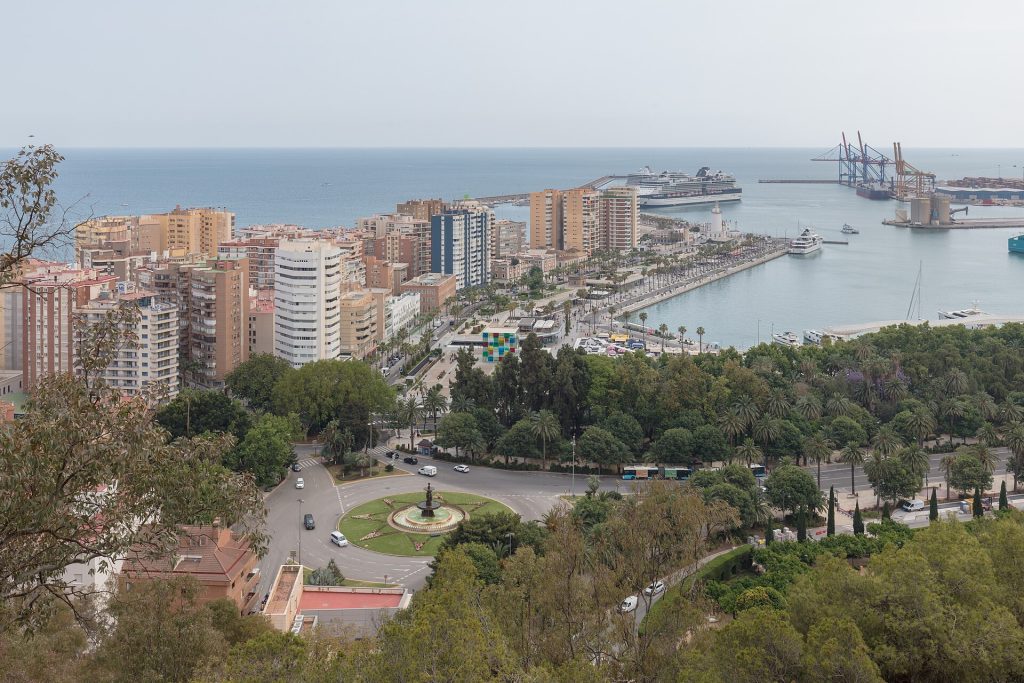
The port and La Malagueta
The port-side walk gives a useful change of scale after the tighter streets of the historic centre. Continue towards La Malagueta if you want an accessible introduction to Málaga’s urban coast, with the city still close behind you.
This is a practical outing for a few hours rather than a promise of secluded beach scenery. You can combine a promenade walk, a meal and some time on the sand without turning it into a full transport project. Check conditions and flags before swimming, and arrange for belongings to remain attended.
In cooler weather, the same area works for walking and a seated stop. The sea does not need to be warm enough for swimming to make the coast part of a worthwhile city visit. Choose the length of the walk according to how much climbing or museum time you have already done.
Pedregalejo and El Palo: a different coastal afternoon
East of the central waterfront, Pedregalejo and El Palo provide another setting for promenade time and meals by the sea. They are useful when you want a more substantial coastal outing rather than a brief break between central sights.
Use transport for the move if walking the whole way would leave little appetite for exploring once there. Choose a stretch, find a meal that suits you and leave time to linger rather than covering the coast as an endurance route.
Espetos, fish cooked on skewers, are an obvious food interest here, but compare the actual menu and preparation rather than choosing solely for the scene outside. Ask about availability, portion sizes and prices before ordering. The most memorable lunch is not necessarily the one with the most elaborate view.
Food without an overplanned checklist
Málaga offers plenty of opportunities for fried fish, seafood, simple sharing plates and more substantial seated meals. Vary the order across the stay instead of expecting every lunch to reproduce the same selection. Ask about a media ración if you want to try something without ordering a full sharing portion.
The city centre is convenient for meals, but no neighbourhood guarantees quality or value. Look at the menu, the format and whether you want to stand briefly or sit down properly. After a hot morning, the latter can be more useful than searching for another crowded counter.
Reserve a meal that particularly matters and keep others close to the day’s route. Dietary requirements deserve direct questions about ingredients, stocks and shared frying oil rather than assumptions based on a dish’s short name.
Day trips: choose one purpose
Ronda offers an inland town outing built around its gorge and historic streets. Nerja provides a different coastal day, with the cave as a possible separate attraction. The Caminito del Rey is a specifically planned walking activity with admission, access and weather considerations.
These are not three stops to combine simply because they appear in the same guide. Choose the day that matches your interest and allow for the actual return journey. Our Málaga excursion comparison explains their different logistical demands.
For a three-day stay, an excursion means less time in Málaga itself. That can be the right trade-off, but make it consciously rather than assuming a city base obliges you to travel elsewhere every morning.
How long to stay and where to sleep
Two full days gives a useful introduction to the centre, a museum and the waterfront. Three adds a longer coastal outing or one day trip. More time lets you slow down, explore additional collections and choose weather-dependent excursions with less pressure.
The historic centre is the strongest starting point for a culture-led short stay. La Malagueta and nearby central waterfront addresses offer a different balance between city and beach. Further east, coastal neighbourhoods suit travellers who value regular sea time enough to accept more journeys into town.
Our Málaga accommodation guide compares those choices. Look at room noise, cooling and the final approach with luggage rather than paying solely for a central postcode or balcony photograph.
Arriving and moving around
The airport’s Cercanías C1 connection is useful for central arrivals, with María Zambrano and Centro-Alameda serving different needs. A taxi or airport bus may be more convenient for other addresses. Our airport transfer guide explains how to choose the final stop rather than simply boarding the first city-bound service.
Within Málaga, walk locally and use transport for longer coastal moves or climbs that would consume the day’s energy. If you have a car for excursions, arrange parking and leave it there for ordinary historic-centre sightseeing. A vehicle adds little when the main task becomes finding somewhere to put it.
Plan around conditions, not just the calendar
Spring and autumn suit a trip with plenty of walking, while summer calls for earlier climbs and a more substantial midday break. Winter can work well for museums, food and coastal walks, with the forecast shaping outdoor plans.
For a balanced first trip, follow our three-day Málaga itinerary and adjust the final day to your interests. The city is most enjoyable when its art, streets and sea complement one another rather than compete for every available hour.
If beach time is the main purpose of your trip, protect a full afternoon rather than repeatedly promising a swim after another museum. Málaga supports both interests, but enjoying them requires allocating real time to each instead of treating the sea as leftover space.