Córdoba deserves more than a hurried interval between trains. The Mezquita-Cathedral is the obvious anchor, but the surrounding streets, river setting and courtyard traditions make the city more rewarding when you stay long enough to see it at different times of day. One full day gives a strong introduction; two nights lets you explore without treating lunch as an obstacle.
The historic core is suited to walking in compact sections. Plan around one or two interiors, then leave space for smaller streets and a seated break. In hot weather, reducing the distance covered can improve the visit more than adding another admission.
Start with the Mezquita-Cathedral
Understand the layered building
The Mezquita-Cathedral brings together the architecture of the former great mosque and the later cathedral within the same monumental setting. Its columns, arches and changing spaces reward slow attention rather than a single search for the most recognisable photograph.
Look at how the building changes as you move through it. A little historical context helps explain what you see, but you do not need to memorise a succession of dates to appreciate its scale and complexity. An audioguide or guided visit can be useful if you want a more structured interpretation.
Choose the right visit
Use the official visitor page for current tickets and access. Daytime entry, a night visit and the bell tower are different experiences, so compare the actual product before paying. Do not assume a tower climb is included or necessary.
The site remains a working cathedral. Religious services and exceptional events can affect sightseeing, and respectful dress and behaviour matter throughout. Check the calendar for your date instead of applying a general opening time without looking at exceptions.
Give the visit a substantial place in the morning or afternoon. Our practical Mezquita-Cathedral guide explains the choices and the importance of leaving time to look rather than rushing towards another reservation.
Walk the Judería without a rigid checklist
The historic streets around the monument make a natural second part of the visit. Explore a limited circuit through the Judería, letting the narrow lanes and small spaces provide detail rather than trying to visit every building named on a map.
The area contains layers of the city’s Jewish, Islamic and Christian histories. Avoid assuming that every picturesque feature is an unchanged survival from one period. A specialist walk can add context if that interests you, but choose one whose subject and duration fit the day.
Popular photograph spots can become crowded. Keep circulation routes clear and do not enter a private doorway to find a better angle. The district remains a neighbourhood and commercial area, not a series of unrestricted visitor spaces.
Stop for coffee or a meal when you reach a place that suits you. Wandering is more enjoyable when you are not hungry, overheated or looking urgently for somewhere to sit.
Courtyards: see them through legitimate visits
The appeal is more than flowers
Córdoba’s patios connect architecture with domestic life: shade, planting, water and shared spaces change the feel of a building behind its street frontage. The pleasure lies partly in the transition from the lane outside to the more sheltered interior.
They are not all permanently open attractions. Some are private homes, and access can depend on a festival, organised route or the arrangements of a particular property. A glimpse through a gate is not an invitation to walk inside.
Choose a visit that fits your dates
The patios festival is a major occasion, but it is not the only way to encounter the tradition. Palacio de Viana provides a structured courtyard-focused visit, while other options vary through the year. Check current arrangements through Córdoba’s official tourism information before planning a route.
If the festival is your main reason for coming, organise accommodation and expectations around that event. If it is not, quieter dates with a specific courtyard visit can provide a more relaxed introduction. Either way, avoid treating a list of private patios as a set of guaranteed daily openings.
The river and Roman Bridge
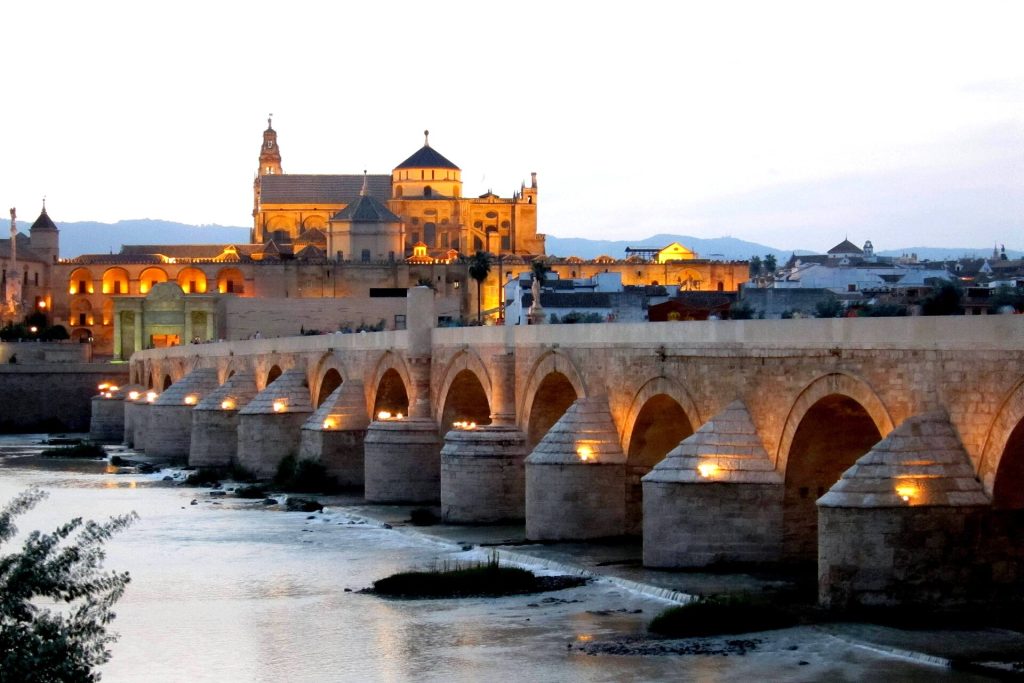
The Guadalquivir gives the historic centre an open edge, with the Roman Bridge providing a familiar perspective towards the monumental core. It makes a useful contrast to the enclosed lanes and a natural place for a less structured walk.
Cross if the conditions and your energy suit, then pause to appreciate the view rather than immediately searching for another interior. The river route is exposed in places, so timing matters during warm weather. An evening can be pleasant, but sunset does not guarantee that the heat has disappeared.
The bridge and surrounding area fit easily with a day near the Mezquita-Cathedral. You do not need to extend the outing into a long river circuit to make it worthwhile. Choose an endpoint that leaves a comfortable return to dinner or your room.
Add a second historical focus selectively
The Alcázar de los Reyes Cristianos is another possible major stop, with its historical setting and gardens. Check which spaces are open and what the current visit includes before allocating time to it. A garden visit involves outdoor exposure, not an automatic cool refuge.
For a longer stay, the archaeological site of Medina Azahara outside the centre offers a different scale of history. It should be planned as an outing with its own access and transport arrangements, rather than squeezed into the end of a short city day.
If you have only one day, choose between adding a second substantial attraction and enjoying the streets and patios more slowly. Both are valid visits. The mistake is pretending you can give everything equal attention without changing the pace.
Food and a more comfortable daily rhythm
Salmorejo is a natural starting point for local food interests, with its thick texture and typical garnishes. Ask about the preparation if dietary needs matter: a dish’s main ingredient does not describe everything placed on top or used in the kitchen.
Other familiar possibilities include flamenquín and stewed oxtail. Compare portion sizes before ordering several substantial dishes, especially when the afternoon includes walking. Sharing can give variety without turning a warm-weather lunch into an unnecessarily heavy meal.
Choose a table because the menu, format and comfort suit you, not only because a terrace looks towards a landmark. In the historic centre, the nearest restaurant is convenient but not automatically the best value. A slightly quieter street can be worth considering when you want to sit and recover after a long visit.
Leave meals enough time. Córdoba’s compact centre makes it tempting to insert another stop into every gap, but a proper break often gives you more from the next walk or interior.
How long to stay
One full day can include the Mezquita-Cathedral, selected historic streets, lunch and the bridge. Our one-day walking route keeps those pieces together without requiring every optional attraction.
Two nights lets you experience the centre earlier and later, add a courtyard-focused visit and avoid making the entire city depend on a single hot afternoon. A longer stay supports Medina Azahara or more specialist cultural interests, but does not need to become a programme of daily excursions.
If arriving by train for the day, separate your available sightseeing time from the interval printed between the tickets. Station access, the walk or ride to the centre and the return buffer all reduce the time at the monuments.
Where to stay
The Judería and monument-side historic core suit visitors who want atmospheric evening streets and short walks to the main attraction. A room around the broader central shopping district can offer a different balance of access and everyday convenience. The station side is worth comparing when early rail connections matter.
Ask about room orientation, luggage access and cooling before choosing. A courtyard hotel can be appealing, but check whether your room faces a shared space used late into the evening. A central address is most useful when the accommodation also supports a good night’s sleep.
Our Córdoba weekend accommodation guide compares the main options. Choose the base against the whole stay, including arrival and the return from dinner, rather than only the shortest path to the Mezquita-Cathedral.
Arriving and moving around
Rail makes Córdoba a practical stop on many Andalusian itineraries. Compare the actual service and fare conditions rather than assuming every train between the same cities has the same journey time or flexibility. Our Seville-to-Córdoba rail guide explains how to approach the booking.
From the station, decide whether walking with your bags is comfortable or whether a bus or taxi better suits the arrival. If driving, obtain parking and access instructions before entering the historic streets. Leaving a car in arranged parking is usually simpler than using it for central sightseeing.
Within the core, walk in manageable clusters and allow for uneven surfaces. A short map distance does not establish that every route is equally suitable for a wheelchair, buggy or rolling suitcase.
Choose dates and expectations together
Spring brings an obvious interest in patios and planting, but major events also increase demand. Summer requires a more deliberate rhythm, with early outdoor walks and a substantial break. Cooler months can suit history and food, though weather and daylight still shape the river and garden outings.
Whatever the season, reserve the experiences you would regret missing and leave the rest flexible. Córdoba is not improved by rushing from one celebrated corner to the next; its streets and courtyards need enough time to feel like places rather than items already ticked off.