You can visit the main French Riviera towns without a car by using trains along the coast and buses for places above it. The trick is choosing accommodation that supports those journeys. A cheaper hillside apartment can be less practical than a smaller room within an easy walk of a useful station.
Use trains for the coastal backbone
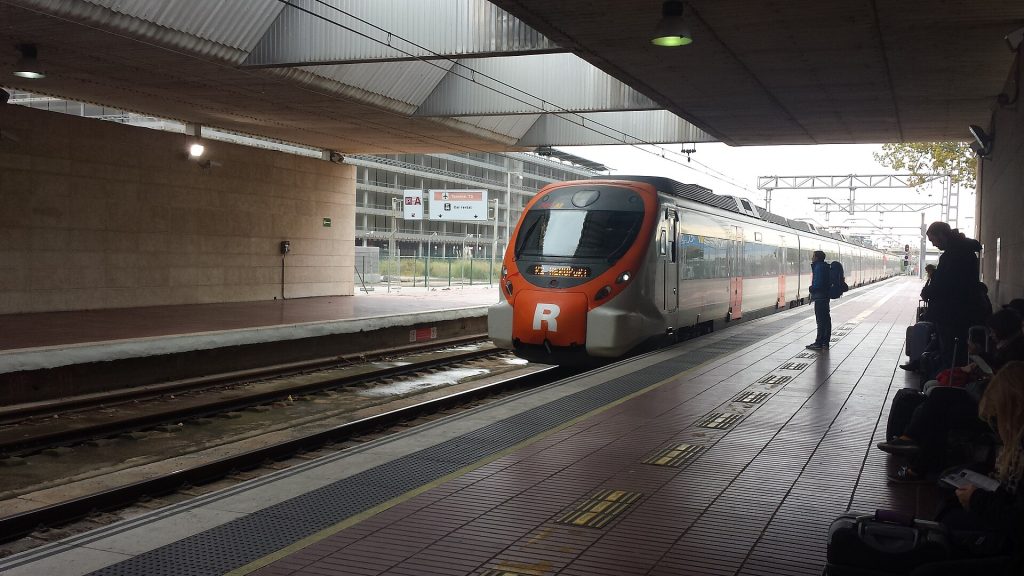
Regional services connect Cannes, Antibes, Nice, Monaco and Menton, with intermediate stops serving other coastal communities. Check the actual train you intend to board: stopping patterns vary, and a service heading in the right direction may not call at your destination.
Use TER’s regional journey information for timetables and disruption notices. Compare tickets and passes against the trips you will actually make. A pass is useful only if its dates, area and transport coverage match your plans.
Buy the correct product for the train category and follow the ticket’s validation instructions. Keep a usable copy available during the journey, particularly if relying on a phone with limited battery or data.
Station names need a second look
Nice-Ville is useful for central Nice, while other Nice stations may suit particular addresses better. Nice Saint-Augustin serves the airport area, but the station is separate from the terminal buildings. Follow the airport’s current walking and tram guidance rather than expecting a railway platform inside arrivals.
Èze-sur-Mer is the most important distinction for day-trippers: it serves the coast, not the hilltop village. Budget for a bus connection. The steep walking path is an activity in its own right, not a casual station transfer.
Add buses where the railway cannot help
Buses reach hilltop villages and parts of the coast away from stations. Use the relevant operator’s planner for the day of travel and check the destination displayed on the vehicle. School-day patterns, weekends and shorter workings can affect a seemingly simple route.
Local urban tickets, regional buses and railway products are not automatically interchangeable. Some combined products exist, but inspect their conditions before deciding they cover your whole holiday. Keep enough time for a missed connection, especially on routes with fewer departures.
Plan the airport journey separately
Nice Airport has tram connections towards Nice and regional coach options for other destinations. For Antibes or Cannes, compare the direct coach with a rail journey involving Saint-Augustin. Your terminal, luggage and accommodation location can change the best option.
Check ticket rules through the airport’s public transport information. Do not assume the fare or ticket sold at an airport stop is identical to an ordinary city journey.
Make everyday travel easier
Pack lightly for excursions: water, a layer and any beach equipment should be manageable on a crowded train. Keep larger bags out of doors and circulation spaces, and allow extra time when you need lifts or assistance at an unfamiliar station.
Keep each excursion within one stretch of coast. Cannes and Antibes fit westbound plans; Menton and Monaco lie east of Nice. Mixing both directions in one day wastes time even when the individual journeys appear short.
At busy times, board with manageable luggage and leave space at doors. Travellers who require step-free access should check individual stations and assistance arrangements: a modern train does not guarantee an accessible route to every platform.
Before an evening outing, identify a realistic return service and an earlier alternative. For a practical sequence, follow the five-day Riviera itinerary. The main benefit of travelling without a car is being able to enjoy each town without returning to a parking place; allow the itinerary enough space to make that advantage count.